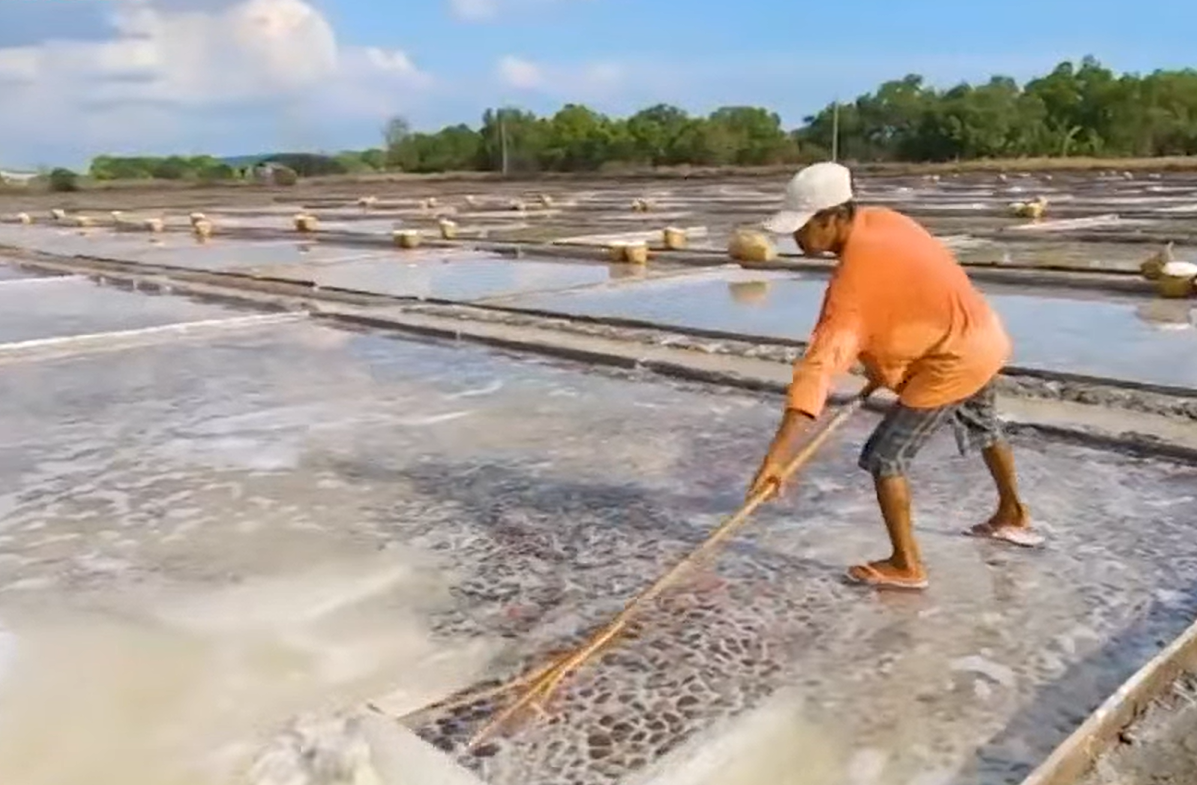
BFAR Eyes Expanded Salt Production as PH Output Nears 200,000 Tons in H1 2026
The Bureau of Fisheries and Aquatic Resources (BFAR) aims to further expand local salt production, with the country's output nearing 200,000 metric tons in the first half of 2026, as the government seeks to reduce import dependence. The agency highlighted the success of a development project in revitalizing coastal communities and contributing to economic growth.
The Bureau of Fisheries and Aquatic Resources (BFAR) is looking to further expand local salt production as the country's output reached nearly 200,000 metric tons (MT) in the first half of 2026, as the government seeks to reduce the Philippines' dependence on imported salt. From January to June, the country's salt industry continued its recovery, with total production of artisanal, solar, and cooking salt reaching 199,293 MT, reflecting the government's sustained efforts to boost local output and lessen reliance on imports. In a news release, BFAR attributed the increase in production to interventions implemented under the Development of Salt Industry Project (DSIP), which aims to strengthen the local salt industry. With national production continuing to rise, the agency said it is committed to expanding the DSIP to help transform more coastal communities and ensure the Philippine salt industry remains a driver of local economic growth and a source of national pride. BFAR said the initiative is designed to revitalize salt farms nationwide while creating sustainable and diversified livelihood opportunities for coastal communities. "We are pleased with the improvement in salt output from January to June this year, reflecting the gains of the DSIP. BFAR will continue to provide unwavering support to the Philippine salt industry as we work toward unlocking its full potential," BFAR National Director Elizer Salilig said. According to BFAR, the project's impact is evident in Barangay Tawagan Sur in Pagadian City, where local fisherfolk have transformed their community into a productive salt-making hub. The agency said a 19-member group, composed mostly of women and originally organized in 2000 for seaweed farming, has successfully shifted to salt production. The group conducted rigorous site assessments and salinity tests to determine the area's suitability for salt farming, BFAR said. To support the group's operations, the bureau provided key infrastructure, including solar beds, greenhouse tunnel-type salt dryers, elevated solar dryers, storage facilities, and other operational equipment. The transition has yielded encouraging results, BFAR said. In 2025 alone, the group produced nearly seven MT of high-quality salt. It now operates a network of 12 ground-level solar beds, four greenhouse dryers, 19 elevated solar dryers, and two storage facilities. To further improve production, BFAR said its Region IX office is set to provide an iodizing machine this year, while the Department of Science and Technology (DOST) is providing technical assistance to support innovation in iodization and the development of value-added salt products.— MCG, GMA News
多角的分析
フィリピンの塩生産拡大は、輸入依存度低減という経済安全保障上の目標達成に寄与する。国内生産の増加は、貿易収支の改善や為替レートの安定化に長期的に貢献する可能性がある。また、塩田の活性化や関連産業の発展は、地域経済の多様化と雇用創出を促し、国内総生産(GDP)の押し上げ要因となりうる。特に、2025年の7トンという小規模ながらも高品質な塩の生産実績は、技術導入による生産性向上の可能性を示唆しており、今後のスケールアップが期待される。
塩産業への投資は、国内需要の安定性と輸入代替による市場シェア拡大の可能性という点で魅力的である。BFARによるインフラ支援やDOSTによる技術開発支援は、投資リスクを軽減する要因となる。特に、付加価値塩製品の開発は、より高い収益性を期待できる分野であり、BPO産業の盛んなフィリピンにおいて、食品加工分野への波及効果も考えられる。ただし、天候に左右されやすい天日塩生産の特性や、国際市場における塩の価格変動リスクは考慮する必要がある。
塩生産プロジェクトは、特に女性が多くを占める沿岸コミュニティに新たな生計機会を提供し、経済的自立を支援する。タワガン・スルン村の事例は、地域住民が主体的に産業転換を行い、成功を収めた好例であり、他の地域へのモデルケースとなりうる。塩の安定供給は、国民の食料安全保障にも直結するため、国内生産の強化は、物価安定にも寄与し、市民生活の向上に貢献すると考えられる。
塩の国内生産が増えることは、輸入価格に左右されにくくなるため、家庭での食料品購入コストの安定につながる可能性がある。特に、沿岸地域では、塩作りが新たな収入源となり、家族の生活を支えることになる。タワガン・スルン村の女性たちが塩生産に成功したように、地域資源を活かした産業振興は、地方の活性化と若者の雇用機会創出にもつながり、都市部への人口流出を抑制する効果も期待できる。
背景・歴史的文脈
フィリピンは、その長い海岸線にもかかわらず、歴史的に食塩の大部分を輸入に頼ってきた。これは、国内の塩生産技術の遅れ、インフラの不備、そして気候変動による影響を受けやすい天日塩生産の特性などが原因であった。特に、2000年代初頭から、政府は塩産業の振興策を打ち出してきたが、その効果は限定的であった。近年、食料安全保障への関心が高まる中、BFARはDSIPのようなプロジェクトを通じて、塩田の近代化、乾燥技術の向上、そして地元コミュニティへの支援を強化している。タワガン・スルン村の事例は、こうした政府の支援策が、地域住民の主体的な取り組みと結びつくことで、具体的な成果を生み出す可能性を示している。
原文ソース
GMA News Philippines