Documentary on Former Child Soldier's Experience Launches Nationwide Trauma and Reconciliation Campaign in Cambodia
A nationwide campaign centered on the internationally acclaimed documentary "Broken Courage," which chronicles the life of a former Khmer Rouge child soldier, has launched in Cambodia. The initiative aims to foster dialogue on trauma, resilience, and reconciliation, particularly among younger generations who did not directly experience the country's conflict.
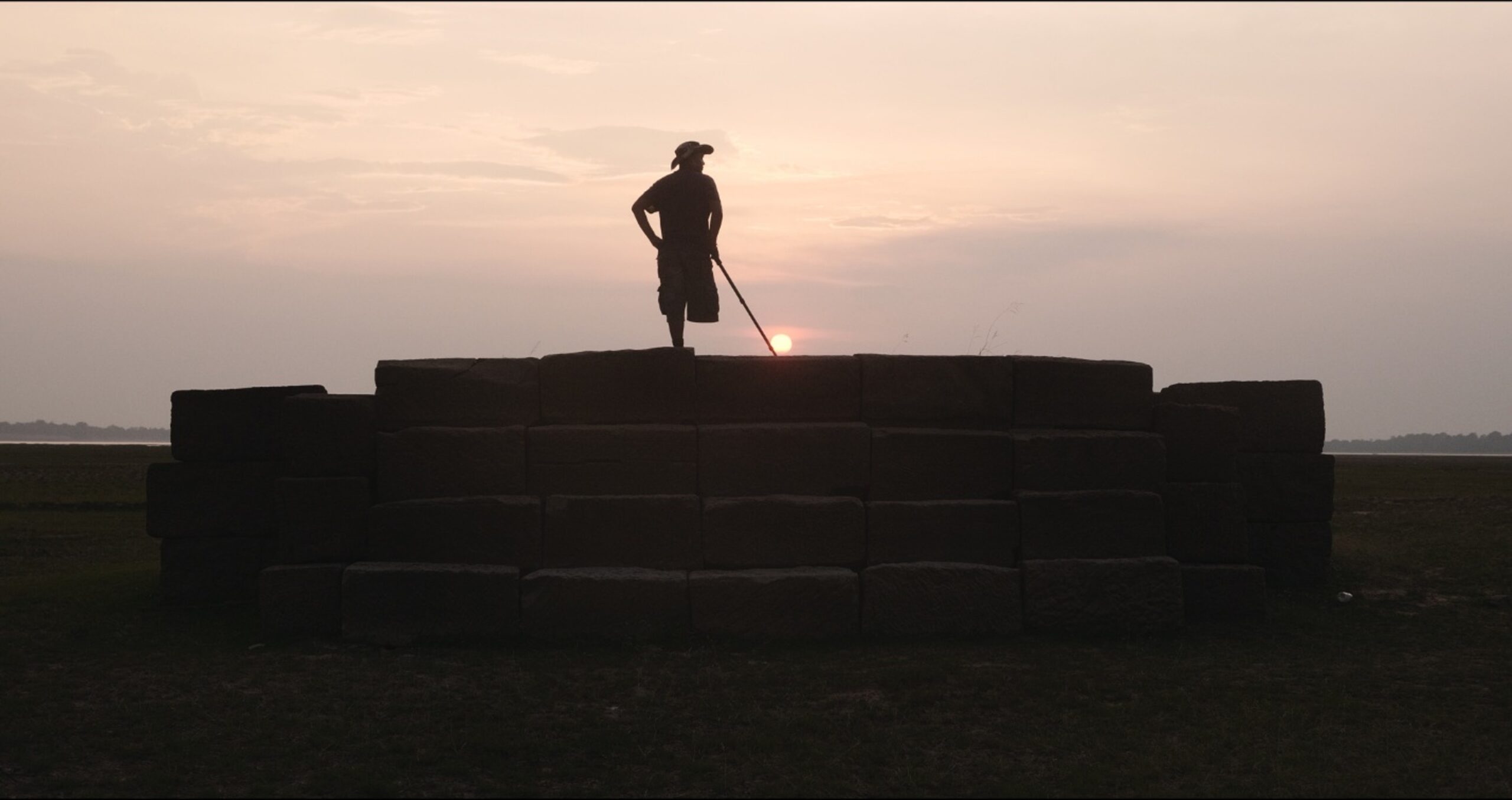
An internationally acclaimed documentary chronicling the life of a former Khmer Rouge child soldier is set to become the centrepiece of a nationwide campaign aimed at fostering dialogue on trauma, resilience and reconciliation among Cambodians, particularly younger generations who did not directly experience the country’s decades of conflict. The Bophana Audiovisual Resource Center, in partnership with the Cambodian Film Commission and LW Scientific, officially launched the Broken Courage National Campaign on June 29 at Legend Cinema, Exchange Square, in Phnom Penh. Rather than serving as a standalone film screening, the initiative will take the award-winning documentary Broken Courage to schools, universities and communities across Cambodia, pairing screenings with facilitated discussions on peacebuilding, mental health, trauma recovery, leadership and healing. Directed by Canadian filmmaker David Peck and produced in collaboration with Cambodian partners, the film follows the extraordinary life of a former Khmer Rouge child soldier who later became a prisoner of war and a landmine survivor, offering what organisers describe as a deeply personal account of trauma, perseverance and reconciliation. The campaign builds on the documentary’s growing international recognition. The film has previously been screened in Cambodia, Canada, Europe, the US and at the UN in Geneva, where it drew attention for its exploration of the long-term human consequences of armed conflict. For the Bophana Center, the campaign represents an effort to use documentary filmmaking not only to preserve historical memory but also to encourage conversations about how societies recover from violence. “At Bophana, we believe that preserving memory and encouraging dialogue are essential to building a more peaceful and compassionate future,” explained Sopheap Chea, executive director of the centre. “Broken Courage contributes meaningfully to that mission by creating space for honest conversations about Cambodia’s past while inspiring hope for future generations,” he added. Chea siad the documentary goes beyond recounting the suffering caused by war. “Stories have the power to help us better understand ourselves and one another,” he continued. “Broken Courage is not only a film about the consequences of conflict; it is also a film about resilience, dignity and the possibility of transformation. We are honoured to support a campaign that encourages dialogue, learning and understanding across generations,” he added. Organisers said each screening will be accompanied by moderated discussions designed to help audiences reflect on the psychological legacy of conflict and the importance of reconciliation in contemporary Cambodian society. The programme also aims to broaden conversations around mental health—an issue that has increasingly gained attention in Cambodia — by encouraging participants to explore how trauma can affect individuals, families and communities long after violence has ended. The launch event brought together representatives from civil society organisations, educational institutions, government agencies and development partners, highlighting the campaign’s emphasis on cross-sector collaboration in promoting peace education and social healing. Founded by internationally acclaimed Cambodian filmmaker Rithy Panh, the Bophana Center is Cambodia’s leading audiovisual archive and cultural institution. It is dedicated to preserving the country’s audiovisual heritage while promoting cultural education, creative expression and public dialogue through film and other multimedia initiatives. Organisers said the nationwide campaign reflects a belief that documentary storytelling can play a vital role in helping younger generations better understand Cambodia’s history while encouraging empathy, resilience and a shared commitment to lasting peace.
多角的分析
このキャンペーン自体は直接的な経済活動に結びつくものではないが、長期的に見れば、トラウマの癒しや和解が進むことで、国内の社会安定と国民の精神的健康の向上に寄与する可能性がある。これは、観光業の回復や国内外からの投資を呼び込む上で間接的にプラスに働く要因となり得る。特に、若年層が過去の歴史を理解し、前向きな社会参加を促すことは、将来的な経済発展の基盤強化につながる。
投資家にとって、このキャンペーンはカンボジアの社会的な安定と将来性に対する間接的なポジティブサインと捉えられる可能性がある。過去の暗い歴史を乗り越え、和解と癒しを推進する取り組みは、国のイメージ向上に繋がり、長期的な視点での投資リスク低減に寄与するかもしれない。ただし、直接的な投資機会を提供するものではないため、その影響は限定的である。
このキャンペーンは、カンボジア社会における過去のトラウマの克服と世代間の和解を促進する上で重要な役割を果たす。特に、クメール・ルージュ時代の紛争を直接経験していない若い世代が、歴史の重みと教訓を理解し、共感と平和への意識を高める機会を提供する。これにより、社会全体の分断を乗り越え、より統合されたコミュニティの形成が期待される。また、メンタルヘルスへの関心を高めることで、個人や家族の精神的健康の向上にも繋がる可能性がある。
カンボジア市民、特に若い世代にとっては、このキャンペーンは自分たちの国の複雑な歴史をより深く理解し、過去の悲劇から学び、未来への希望を見出すための貴重な機会となる。元少年兵の個人的な物語を通じて、紛争がもたらした深い傷と、それを乗り越える人間の強さを実感できるだろう。これにより、自分たちのルーツに対する理解が深まり、社会全体での和解と平和構築への意識が高まることが期待される。
背景・歴史的文脈
カンボジアは、1970年代後半のクメール・ルージュ政権下で、約200万人が犠牲になったとされる悲劇的な歴史を持つ。この政権は、知識人や敵対勢力とみなされた人々を組織的に虐殺し、子供たちを兵士として徴兵するなど、社会全体に深いトラウマを残した。その後の内戦や地雷問題など、紛争の傷跡は長く続き、国民の心に影響を与え続けている。ボファナ・センターは、こうした歴史的記憶の保存と、それに基づく教育・対話の促進を目的として設立され、過去の経験を未来への教訓とするための活動を展開している。
原文ソース
Phnom Penh Post