Surabaya Zoo Corruption Leads to Animal Neglect and Deaths; Ex-Director Arrested
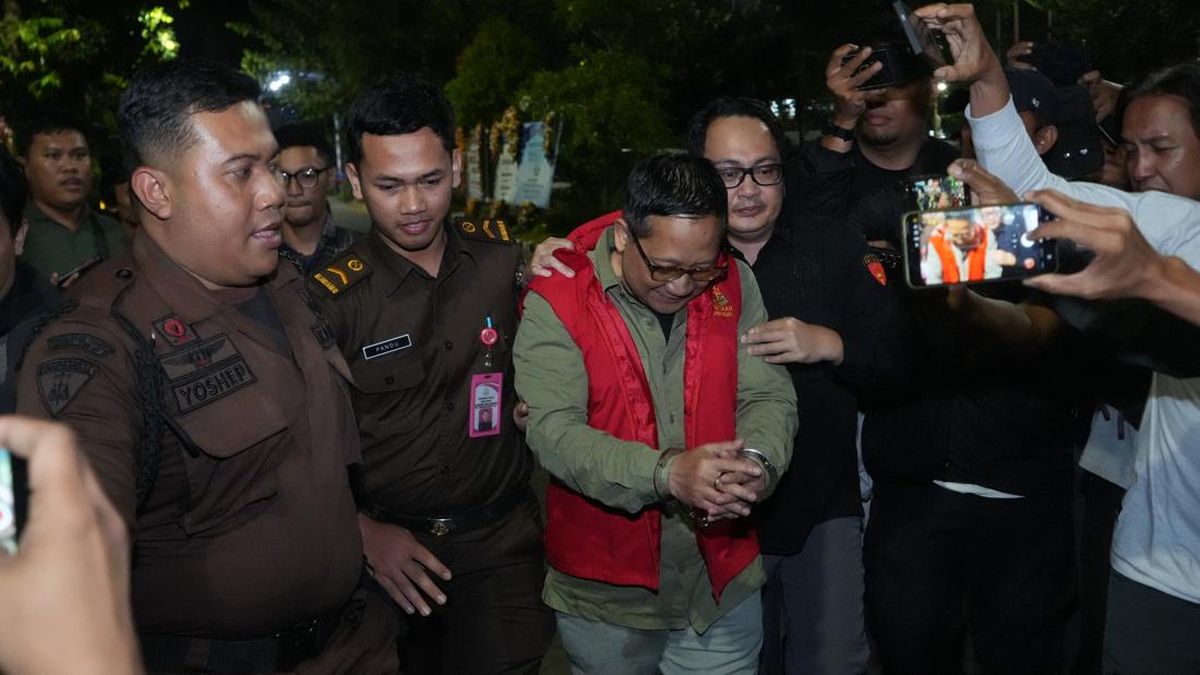
A former director of the Surabaya Zoo (KBS) in Indonesia has been arrested on suspicion of embezzling approximately Rp10.2 billion (around $650,000 USD). Allegations of inflating feed costs and other fraudulent practices have led to animals suffering from malnutrition, illness, and death, with zoo facilities also falling into disrepair.
This article requires PRO
This article is outside the free access window or is a special report. PRO unlocks it and the full archive.
Related articles
- Surabaya Zoo Admits Viral Emaciated Tiger Photo is Old, Explains Context
Surabaya Zoo (KBS) has admitted that a viral photo of an emaciated tiger circulating on social media is an old image. The photo gained traction amid allegations of corruption totaling Rp10.2 billion involving the zoo's former director. KBS clarified the image predates 2009 and does not reflect the current conditions.
- Surabaya Zoo Animal Health Improves Post-Corruption Scandal, Claims Mayor
Surabaya Mayor Eri Cahyadi claims the health of animals at the Surabaya Zoo (KBS) has improved following the exposure of a Rp10.2 billion corruption case involving its former general manager, with no animal deaths reported in the last three years. Improved care and transparent audits are cited as reasons.
- スラバヤ動物園の飼料汚職事件 Rp. 102億
スラバヤ動物園アニマルパークカンパニー(PD TS KBS)の元主任ディレクター、チョイルル・アンワル氏(カリフォルニア州)が、東ジャワ高等検察局(ケジャティ・ジャティム)により、2016年から2024年までの同社予算102億ルピアの汚職容疑事件の容疑者に指名された。 東ジャワ検察局の特殊犯罪担当補佐官(アスピドサス)、I・ゲデ・プニア・アトマジャ氏は、容疑者の決定は2026年7月21日付の容疑者決定命令番号TAP-863/M.5/F…
- Former Surabaya Zoo Director Accused of Embezzling Rp 10.2 Billion Through Multiple Roles
The East Java Prosecutor's Office is investigating the former President Director of the Surabaya Zoo (PD TS KBS), Choirul Anwar, for alleged embezzlement of approximately Rp 10.2 billion. He is accused of holding three positions concurrently from 2016 to 2024, including inflating animal feed costs. This alleged corruption has led to the zoo's dilapidation and negatively impacted animal welfare.