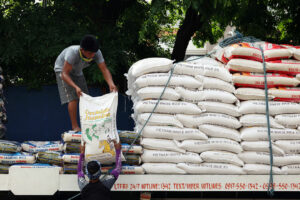
Philippine Domestic Rice Struggles Against Imports in 5% Broken-Grain Segment
The Philippines' Department of Agriculture notes that domestic rice is losing competitiveness against imports, particularly in the 5% broken-grain segment, due to perceived quality differences. Measures to restrict imports and improve local varieties are under consideration.
This article requires PRO
This article is outside the free access window or is a special report. PRO unlocks it and the full archive.
Related articles
- Tinio to Oppose P7.2-Trillion Budget Bill Over Transparency Concerns
ACT Teachers party-list Rep. Antonio Tinio announced his intention to vote against the 2027 General Appropriations Bill, citing a lack of transparency. He specifically called for greater openness regarding proposed amendments to the budget.
- Peso Strengthens on Lower Unemployment Data, Closes at P62.75:$1
The Philippine peso strengthened against the US dollar, buoyed by positive domestic employment data indicating a drop in the unemployment rate. Closing at P62.75:$1, the peso's appreciation is also attributed to easing concerns over third-quarter import surges and anticipation of increased OFW remittances in the fourth quarter.
- Palace Exec: 'Political Noise,' Fake News Hinder PH Economy
A top Palace official attributed the Philippines' recent economic slowdown to "political noise" from destabilizers and fake news. Undersecretary Claire Castro stated these factors, alongside the Middle East crisis and natural calamities, are deterring investment and hindering growth.
- PSEi Rebounds to 5,700 Level on Improved Unemployment Data
The Philippine Stock Exchange index (PSEi) rebounded to the 5,700 level, buoyed by a decrease in the unemployment rate to 5.3% in August. Improved labor market data boosted investor sentiment.