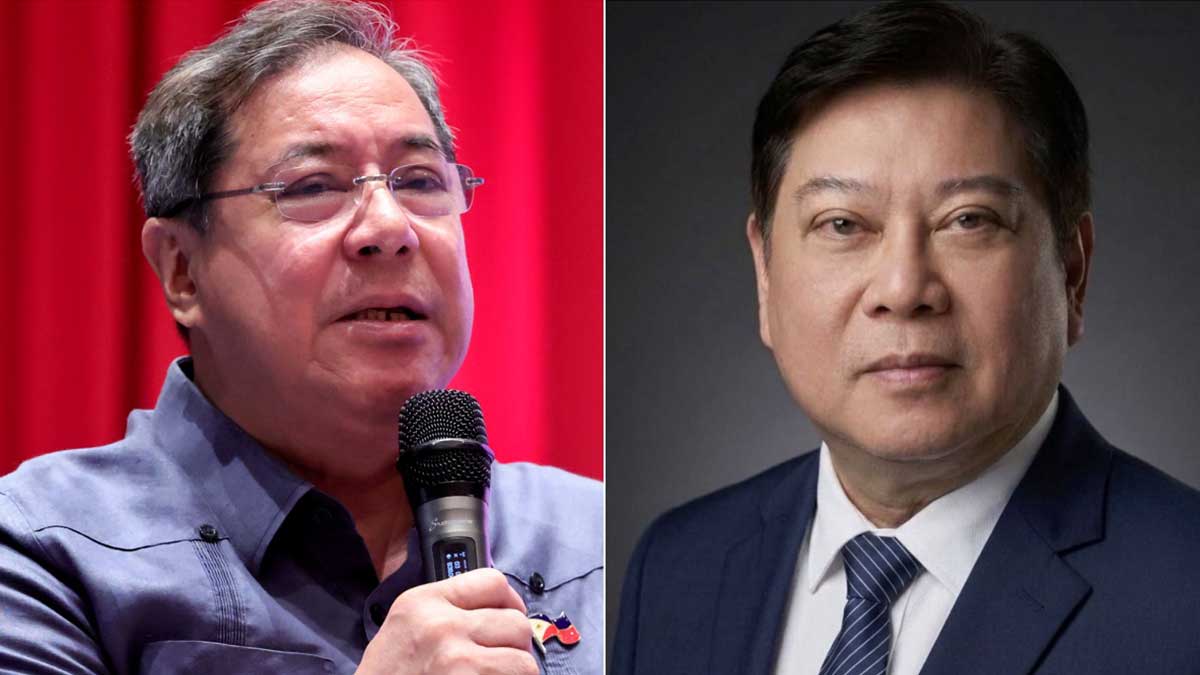
Health Groups Pin High Hopes on Incoming DOH Chief for Public Health Reforms
Health
2026年7月14日
5
Inquirer NewsInfo

Health Groups Pin High Hopes on Incoming DOH Chief for Public Health Reforms

AI サマリー

Health workers and advocacy groups have expressed high hopes for Dr. Jose Brittanio “Brix” Pujalte Jr., the incoming Secretary of the Department of Health (DOH), anticipating strengthened public health systems and improved healthcare access. Key demands include opposing privatization of public hospitals, enhancing conditions for healthcare workers, and stricter regulations on tobacco and vapes.

MANILA, Philippines — Health workers and advocacy groups have welcomed the decision of President Ferdinand Marcos Jr. to appoint long-time public servant Dr. Jose Brittanio “Brix” Pujalte Jr. as the new Health Secretary. Malacañang on Monday confirmed that Pujalte, a veteran orthopedic surgeon, would replace Dr. Teodoro Herbosa, who tendered his courtesy resignation for health reasons. Pujalte is set to take his oath of office before Marcos in Malacañang on Tuesday. Former Health Secretary and Iloilo Rep. Janette Garin hailed the appointment of Pujalte, saying “he will walk the talk” in making public health care accessible to all Filipinos. Garin recalled how Pujalte was among the “strongest and most steadfast voices, who firmly stood up and opposed the privatization” of the Philippine Orthopedic Center (POC) and other government speciality centers in the early 2010s. In the last two years of the Marcos administration, Garin said Pujalte would be “a pillar, who can rally the other leaders of the Department of Health (DOH) so that the public can quickly feel and experience better healthcare services.” Meanwhile, the Alliance of Health Workers (AHW) has high expectations for Pujalte as he assumes the leadership of the DOH. “Having previously stood with health workers and other stakeholders in opposing the privatization of public hospitals, including the proposed privatization of the POC, AHW expects him to remain consistent with this position by upholding and strengthening the public healthcare system and ensuring that government hospitals remain accessible to all Filipinos,” the group said. It called on Pujalte to push for the improvement of the conditions of healthcare workers, and to advance policies that prioritize public health over privatization and profit-driven interests. “AHW challenges Secretary Pujalte to lead with transparency, accountability, and genuine public service, and to stand with health workers and patients in building a healthcare system that protects lives, upholds dignity, and puts the welfare of the Filipino people above all else,” it added. Public health advocacy group HealthJustice Philippines also congratulated Pujalte on his appointment. It said civil society organizations were ready to work with and support Pujalte in advancing public health priorities, including stricter regulation on cigarettes and vapes, as well as policies to prevent noncommunicable diseases. “We hope his leadership will prioritize the protection of children and young people through the strict implementation of tobacco control laws, firm resistance to industry interference, and strong Philippine support for an Asean-wide ban on vapes,” HealthJustice Philippines said. “We also look forward to sustained action against noncommunicable diseases and obesity, including the implementation of the Philippine Nutrient Profile Model and stronger health taxes on harmful products,” it added.

多角的分析

経済的影響

プホルテ新保健長官への期待は、単に医療サービスの質向上に留まらない。公立病院の民営化反対という過去の姿勢は、医療費の高騰を懸念する国民にとって朗報である。もし彼が公衆衛生システムを強化し、医療へのアクセスを平等に保つことができれば、医療関連支出の国民負担が軽減され、可処分所得の増加につながる可能性がある。これは、特に低所得者層の消費意欲を刺激し、国内経済の活性化に寄与しうる。一方、民営化を推進したい一部の医療関連企業にとっては、事業機会の縮小を意味する可能性もあり、経済的利害の対立が生じることも考えられる。

投資家心理

新保健長官の任命は、フィリピンのヘルスケアセクターへの投資環境に微妙な影響を与える可能性がある。プホルテ医師が公立病院の民営化に反対する姿勢を貫く場合、民間病院や製薬会社、医療機器メーカーなど、民営化や営利目的の事業拡大を期待していた投資家にとっては、不確実性が増す要因となりうる。しかし、公衆衛生システムの強化やNCD対策への投資は、新たなビジネスチャンスを生み出す可能性もある。例えば、予防医療サービスや健康増進関連のスタートアップへの投資は増加するかもしれない。投資家は、プホルテ氏の具体的な政策展開を注視する必要がある。

社会的影響

プホルテ新保健長官への期待は、フィリピン社会における医療格差の是正と、国民皆保険制度の実効性向上という、根深い課題に直結している。特に、公立病院の民営化反対という過去の立場は、経済的理由で十分な医療を受けられない多くの国民にとって希望の光となる。医療従事者の待遇改善は、医療サービスの質と安定供給に不可欠であり、地方や貧困地域での医療提供体制の強化にも繋がる。また、タバコ・ベイプ規制強化やNCD対策は、将来世代の健康を守るための重要な一歩であり、社会全体の健康寿命の延伸に貢献することが期待される。

市民の声

マニラ首都圏に住むマリアさんは、「公立病院が民営化されたら、病気になった時にどうなるか心配です。プホルテ先生には、私たちのような庶民が安心してかかれる病院を守ってほしい」と語る。一方、地方都市に住むティト・ベンさんは、「遠くの町まで行かないと専門医に診てもらえないことがある。先生には、地方でももっと気軽に病院にかかれるように、医療従事者を増やしてほしい」と期待を寄せる。若者代表のフアンさんは、「タバコの規制が厳しくなるのは良いことだ。将来、健康でいられる社会になってほしい」とSNSで発信している。

背景・歴史的文脈

フィリピンでは、公立病院の運営資金不足や医療従事者の不足、地方での医療アクセス格差などが長年の課題となっている。特に、2010年代初頭には、フィリピン整形外科センター(POC)を含む公立専門医療センターの民営化が議論され、医療従事者や市民団体から強い反対運動が起きた。当時の反対運動において、プホルテ医師は中心的な役割を果たしたとされている。この経緯は、公衆衛生の重視と民営化への慎重な姿勢が、フィリピンの医療政策における重要な論点であることを示している。

原文ソース

Inquirer NewsInfo

原文を読む