General articles are free for 24 hours after publish.
Iran's Airspace Blockade Threatens Regional Aviation Safety
Iran has threatened to block all air traffic in the Middle East in retaliation for its isolation from international aviation networks, a move driven by US economic sanctions. Tensions are escalating as Iraq and the UAE have suspended flights to and from Iran, intensifying the situation.
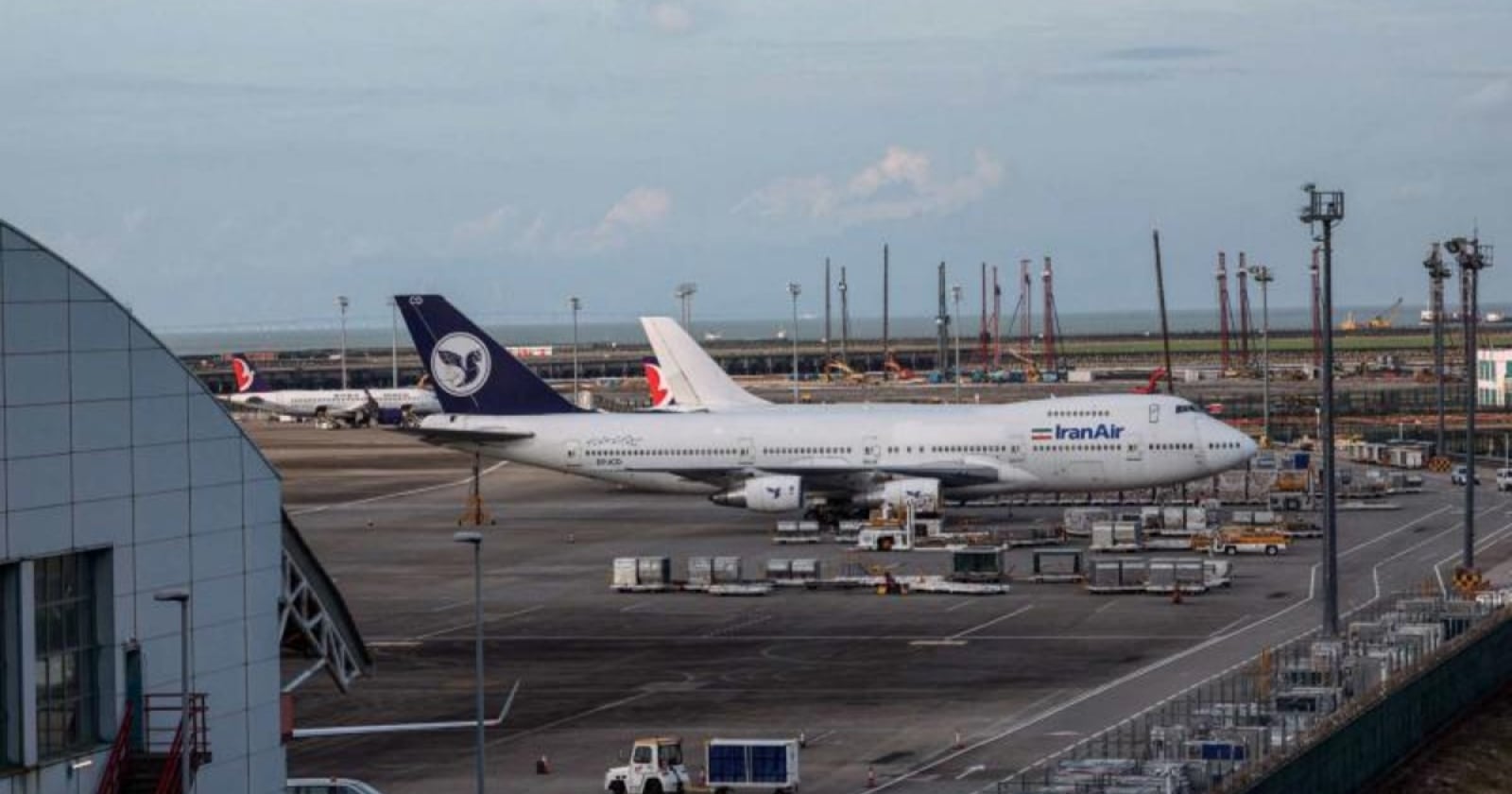
Iran has signaled its readiness to paralyze all air traffic in the Middle East if its airlines continue to be isolated from international flights. This strong assertion is a response to the escalating economic sanctions imposed by the United States, which are tightening the grip on Tehran's aviation fleet. This high-risk diplomatic maneuver is transforming the regional rivalry into a tangible threat to air navigation safety. Tehran views the compliance of neighboring countries with Washington's embargo as an act of open hostility. The Iranian government has made it clear that any country supporting this scenario of air isolation must be prepared to face similar consequences. This conflict demonstrates how the effects of economic warfare are now directly spilling over into global logistics. Mohammad Mokhber, a senior advisor to Iran's Supreme Leader, openly stated his country's political stance on the X platform. "Our strategy on this issue is clear: air travel in the region is available to all parties, or to none. If Iran cannot travel by air and receive airport services, then no country in the region will be able to do so either," Mokhber said. Mokhber issued a stern warning to governments in the Middle East that are following Washington's diplomatic will. He stated that the cooperative stance of these countries towards US sanctions will be remembered by the Iranian people, leading to long-term political resentment. The wave of blocking air routes for Iranian airlines has expanded dramatically this week. This discriminatory policy is a direct consequence of new US sanctions packages aimed at crippling Iran's overseas operations. Aviation authorities in the region have begun to simultaneously cut off air logistics access for Iran's transport fleet. Najaf International Airport in Iraq suddenly halted all flight operations to and from Iran on Friday (September 25th) until further notice. The United Arab Emirates (UAE) has also taken a similar step, officially stopping operations for airlines to and from Iran since Thursday (September 24th). The UAE's General Civil Aviation Authority cited the US restrictions imposed on Iranian airlines as the primary reason for the access closure. This geopolitical pressure was directly confirmed by US Treasury Secretary Scott Bessent. He officially announced that the operations of Iranian airlines worldwide would cease starting September 23rd as part of new sanctions, coinciding with ongoing efforts to end the US-Iran conflict. This aerial tension is a long-term consequence of the stalemate in peace negotiations involving the US military. Although a memorandum of understanding was reached in June, peace talks ultimately ended in a complete deadlock due to disputes over navigation rights in the Strait of Hormuz. The Strait of Hormuz plays a vital role as the lifeline for global oil distribution and a key route for global logistics. The failure to reach an agreement at this crucial point has ultimately plunged regional air transport into a severe security crisis. Source: Suara.com
Original source
Suara.com