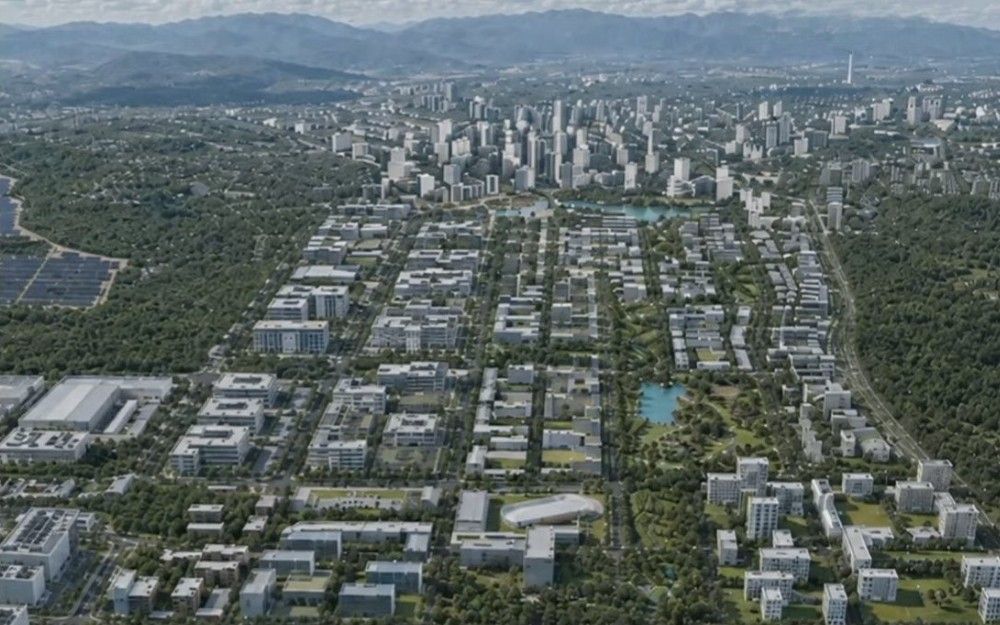
New Clark City Eyes 99-Year Land Leases for Pax Silica Investors
The Philippine government is considering allowing foreign investors in the planned Pax Silica industrial hub in New Clark City to lease land for up to 99 years. This move aims to accelerate the attraction of AI, semiconductor, and advanced manufacturing industries, with significant job creation and economic growth anticipated.
This article requires PRO
This article is outside the free access window or is a special report. PRO unlocks it and the full archive.
Related articles
- Chinese State Firms Sent Millions to VP Sara Duterte-Linked Company, Senator Reveals
Senator Risa Hontiveros revealed that Chinese state-owned enterprises remitted P319 million to Calle88 Foods Corp., a company linked to Vice President Sara Duterte. The Anti-Money Laundering Council (AMLC) had previously flagged these transactions as suspicious.
- Del Monte Philippines in Financial Tightrope Amid Debt Concerns
Del Monte Philippines (DMPI), a beloved brand domestically, faces a financial tightrope due to its parent company Del Monte Pacific's (DMPL) substantial debt. A default notice from Singapore-based SEA Diner is intensifying pressure on its operations.
- Sara Duterte Impeachment Trial: Financial Firm Officials to Testify on Wealth Allegations
The impeachment trial against Philippine Vice President Sara Duterte continues on October 7, with officials from various banks and insurance firms set to testify regarding allegations of unexplained wealth. The prosecution panel will present witnesses to support Article 2 of the impeachment case.
- Sara Duterte impeachment trial: Bank officials to testify on wealth allegations
Bank and financial institution officials are set to testify in the impeachment trial of Vice President Sara Duterte, as the House prosecution panel continues to present evidence regarding allegations of her unexplained wealth. The proceedings will focus on the origins of her assets and financial transactions.