Vietnam's Trade Unions Urged to Modernize, Become Reliable Support for Workers
Technology
2026年7月3日
5
Nhan Dan

Vietnam's Trade Unions Urged to Modernize, Become Reliable Support for Workers

AI サマリー

Vietnam's General Confederation of Labor is set to push for organizational reforms and qualitative improvements in its activities, aiming to protect members' rights and enhance their welfare. The goal is to become a truly reliable organization for members amidst rapid digitalization and evolving labor conditions.

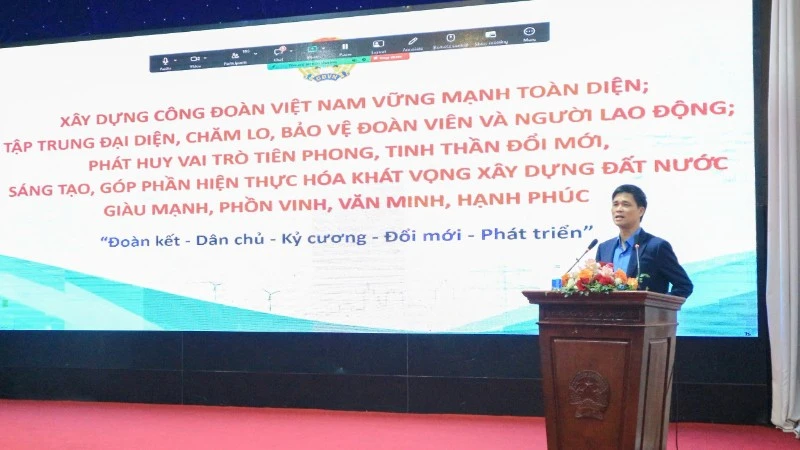
The Vietnam General Confederation of Labor (VGCL) is set to implement reforms aimed at strengthening its role in representing and protecting the rights and legitimate interests of its members and workers. This initiative aligns with the broader national strategy to foster economic growth and social development under the leadership of the Communist Party of Vietnam. Following the resolutions adopted at the 14th National Congress of Trade Unions, the VGCL will focus on expanding membership, refining organizational structures, and enhancing operational efficiency. Key priorities include promoting workplace democracy and encouraging innovation and the application of science and technology to boost productivity. This effort is designed to cultivate a modern, courageous, and creative workforce. However, leadership has acknowledged challenges faced by a segment of workers, including difficulties related to income, housing, education, healthcare, culture, and social security. The rapid advancements in digitalization, artificial intelligence (AI), and automation, which are transforming employment, skills, and labor relations, also present a critical consideration. Self-criticism has highlighted that some union activities remain overly administrative, and union organizations in numerous enterprises are weak, lacking sufficient capacity for dialogue, negotiation, and effective protection of workers' rights and grievances. In response, General Secretary and President To Lam has urged the unions to accelerate and deepen their reforms to become a truly reliable support system for workers and a strong bridge between the Party, the State, and the working class. Ngo Duy Hieu, Vice Chairman of the VGCL, emphasized the need for higher-level union bodies to bolster support for grassroots unions in areas such as legal assistance, negotiation and dialogue skills, dispute resolution, communication, data utilization, and mobilizing workers. He also stressed that grassroots union officials must be close to workers, understand their concerns, voice their issues, and be courageous in defending them through legal means and dialogue. The effectiveness of union activities, it was noted, should be measured not by the number of meetings or documents, but by member trust, worker satisfaction, the quality of collective labor agreements, the number of successful cases handled, and improvements in living standards at the grassroots level. This reform drive aims to enable trade unions to play a more significant role in Vietnam's national development goals of peace, independence, democracy, prosperity, civilization, and happiness. Within Vietnam's one-party system, trade unions are a crucial pillar supporting social stability and development, and their reform is intrinsically linked to the sustainability of economic growth. Source: Nhan Dan

多角的分析

経済的影響

ベトナム経済は、製造業の成長と輸出拡大を原動力として急速な発展を遂げているが、その恩恵は労働者全体に均等に行き渡っていない。特に、低賃金労働者や非正規雇用者は、生活必需品の価格上昇や住居問題に直面している。労働組合の改革は、こうした格差是正と、労働者の購買力向上を通じて国内消費を刺激し、経済の持続的成長を支えるための重要な要素となる。デジタル化の進展は、新たな雇用機会を生み出す一方で、既存の雇用を奪う可能性もあり、労働者のスキルアップと再教育への支援が急務となっている。これは、ベトナムが目指す「高付加価値経済」への移行を加速させる上でも不可欠である。

投資家心理

ベトナムの労働組合改革は、外国投資家にとって、労働市場の安定化と予測可能性の向上という点でポジティブに映る可能性がある。組合が労働者の不満を効果的に吸い上げ、企業との建設的な対話を通じて解決できれば、ストライキなどの労働争議のリスクが低減される。これにより、投資環境の安定性が増し、長期的な投資判断に寄与するだろう。しかし、改革の進捗や実効性、特に労働者の権利保護がどこまで強化されるかについては、引き続き注視が必要である。ベトナム政府が掲げる「現代的でプロフェッショナルな」組合組織への移行が、国際的な労働基準にどれだけ近づくかが、今後の投資判断における重要な要素となる。

社会的影響

ベトナム社会における労働組合の役割は、労働者の権利擁護という本来の機能に加え、政府と労働者の間のコミュニケーションチャネルとしての側面も持つ。今回の改革は、単なる行政的な組織運営の見直しに留まらず、労働者の「声」をより直接的に政治決定プロセスに反映させようとする試みと捉えられる。特に、都市部における若年労働者の増加や、地方からの出稼ぎ労働者の増加に伴う社会的な課題(住居、教育、医療など)への対応が求められている。組合がこれらの切実な問題に、より実効性をもって取り組むことができれば、社会全体の安定と連帯感の醸成に貢献するだろう。一方で、組合幹部が労働者の現場の実情をどれだけ理解し、共感できるかが、改革の成否を分ける鍵となる。

市民の声

労働組合の改革は、ハノイやホーチミン市などの都市部で働く多くの労働者にとって、生活の質を直接左右する問題である。特に、賃金、労働時間、安全な労働環境、そして子どもの教育機会といった、日々の生活に密接に関わる問題について、組合がより強力な交渉力と支援を提供できるようになることが期待されている。例えば、低賃金で長時間労働を強いられている製造業の労働者や、不安定な雇用状況にあるサービス業の労働者などが、組合を通じてより良い労働条件や社会保障を勝ち取れるようになるかが注目される。また、地方から都市部へ移り住んだ労働者にとって、住居や医療、子どもの学校といった生活基盤の支援が、組合活動を通じて具体的に提供されるかどうかも、彼らの生活実感に大きく影響するだろう。

背景・歴史的文脈

ベトナムの労働組合は、1930年のベトナム共産党創設以来、党の指導下で組織されてきた。社会主義国家における労働組合は、労働者の権利擁護と同時に、生産性向上や国家目標達成への貢献という二重の役割を担う。近年、ベトナム経済の急速な市場経済化とグローバル化の進展に伴い、労働者の権利意識の高まりや、国際的な労働基準への関心が高まっている。特に、外国投資の増加は、多様な労働環境を生み出し、労働組合の対応能力に新たな課題を突きつけている。今回の改革は、こうした変化に対応し、組合が労働者にとって「真の頼れる支え」となることを目指す、党による組織強化の一環である。

原文ソース

Nhan Dan

原文を読む