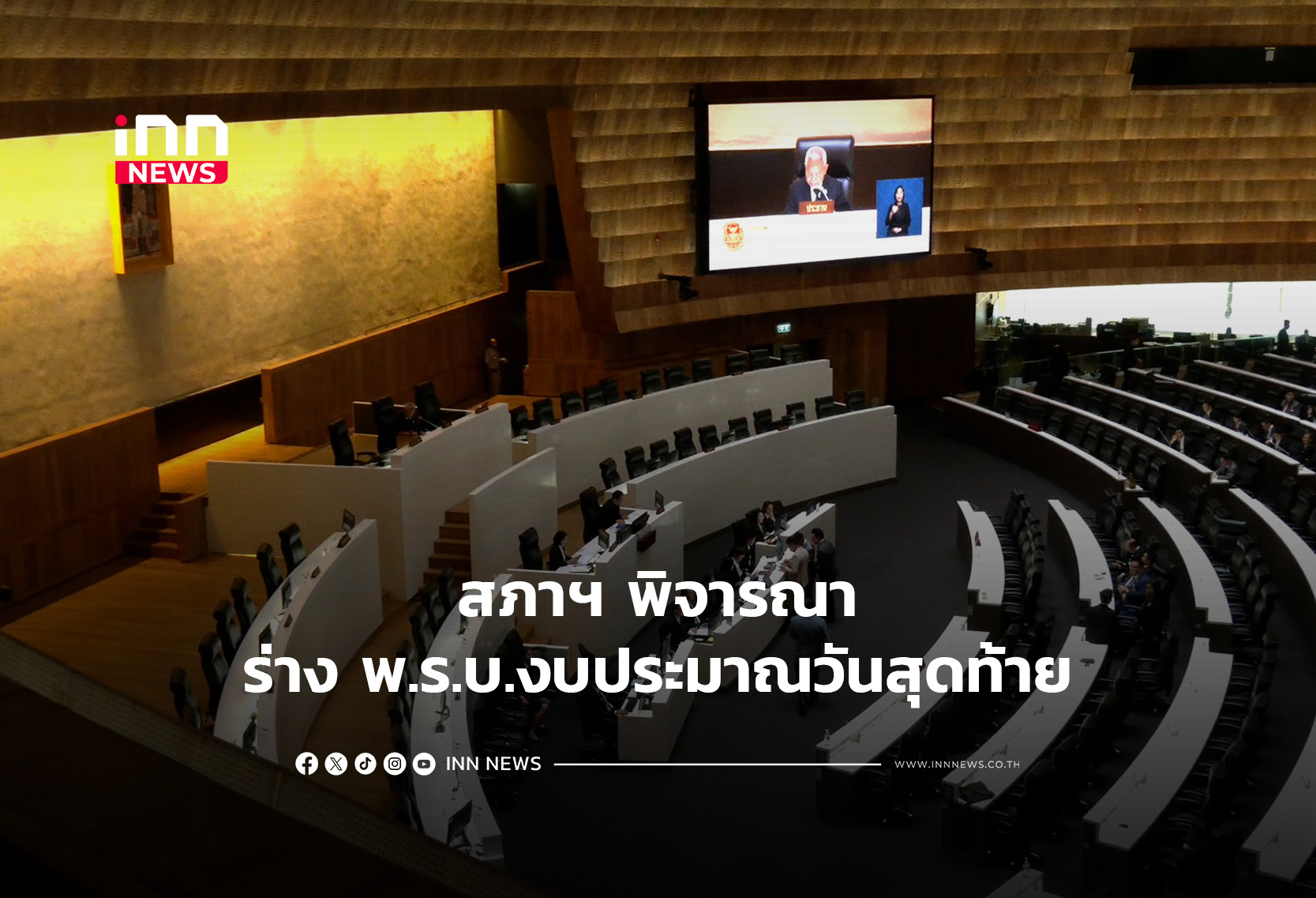
Thai Parliament Concludes Final Review of FY2027 Budget Bill Amid Opposition Concerns
Politics
2026年7月1日
5
INN News

Thai Parliament Concludes Final Review of FY2027 Budget Bill Amid Opposition Concerns

AI サマリー

The Thai Parliament concluded its final deliberations on the Fiscal Year 2027 budget bill. Opposition lawmakers raised concerns regarding disaster prevention funds and the transparency of mega-projects, while the government emphasized economic growth and public welfare.

The Thai Parliament concluded its third and final day of deliberations on the Fiscal Year 2027 budget bill, totaling 3.788 trillion baht, on July 1, 2024. Over the past two days, more than 24 hours of debate have been dedicated to the bill. The opposition raised concerns across various aspects of budget allocation, including disaster preparedness, human capital development, and the transparency of large-scale investment projects. Meanwhile, the government asserted that the FY2027 budget aims to foster economic growth alongside labor potential development and efficient budget utilization. Juree Numnakaw, a Member of Parliament for Songkhla province from the Democrat Party, argued that while the FY2027 budget covers many areas, it "lacks a future," particularly in disaster preparedness. He criticized the government for prioritizing post-disaster relief over proactive preventive investments. He also noted an increase of approximately 90 billion baht in the contingency fund without clear measures for flood or disaster prevention. He stated that such an administrative approach traps citizens in a cycle of "waiting for floods – receiving compensation" and urged the government to allocate more budget to local areas for prevention rather than just relief. He also questioned the absence of details regarding flood prevention projects previously promised by the government and its executives. In response, Paradorn Prisnanantakul, a Minister Attached to the Prime Minister's Office responsible for budget affairs, clarified that the increased contingency fund is not freely usable by the government, as most of it is allocated for salaries, pensions, social security contributions, and statutory obligations. He suggested that if reasons for the contingency fund's allocation are needed, inquiries should be directed to former Prime Minister Abhisit Vejjajiva and Mr. Korn Chatikavanij, who previously handled similar matters. He also stated that there was no need to "light a candle to summon" him, as he had been present in parliament for explanations throughout the three days, and affirmed that the government had already provided details of the contingency fund. Subsequently, Mr. Parit Wacharasindhu, a party-list MP from the People's Party, scrutinized large educational projects. He highlighted four projects: "Anywhere Anytime," "Skill Credit Portfolio" from the Ministry of Education, "Skill Credit Portfolio" from the Ministry of Higher Education, Science, Research and Innovation, and "National Credit Bank," with a combined budget of over 26.262 billion baht. He questioned the cost-effectiveness of some projects and criticized the government's unclear policy direction on using technology for education, as well as the transparency in procurement processes. An examination of the Terms of Reference (TOR) for several projects revealed anomalies, including the classification of media production as "consultancy services" and certain conditions that could limit competition. He also revealed that one company had secured 5 out of 10 projects, and further investigation showed links with several other companies through shared addresses, shareholding, and registration, suggesting a potential business network benefiting from government projects. Mr. Parit emphasized that while he could not definitively conclude that corruption had occurred, the presented information was sufficient "smoke" to warrant urgent government investigation. He called for a review of the TOR, retrospective project audits, and guarantees of transparency before proceeding with an additional budget of over 10 billion baht for these projects. Information Source: INN News

多角的分析

経済的影響

2027会計年度予算案の審議は、タイ経済の将来的な方向性に関する重要な議論の場となった。特に、野党が指摘した大型教育プロジェクトへの巨額投資は、その費用対効果と、タイが目指すデジタル経済や高付加価値産業への移行という長期目標との整合性が問われている。もしこれらのプロジェクトが期待される成果を上げられなければ、教育分野への投資が将来の生産性向上に繋がらず、経済成長の足かせとなるリスクがある。また、予備費の増加は、予期せぬ事態への対応力を示唆する一方で、その使途の透明性が確保されなければ、財政規律への懸念を生じさせ、インフレ圧力や財政赤字拡大のリスクを高める可能性がある。

投資家心理

今回の予算審議は、特に教育分野における大型プロジェクトへの投資配分が、将来のタイ経済の競争力にどのように影響するかという点で、投資家にとって注目すべき材料である。もし、プロジェクトが計画通りに進捗し、期待される人材育成や技術革新に貢献すれば、長期的な経済成長への期待が高まり、タイ株式市場や関連セクターへの投資意欲を刺激する可能性がある。しかし、野党の指摘するような透明性の問題や費用対効果の疑問が解消されない場合、政府のプロジェクト管理能力に対する懸念から、外国からの直接投資(FDI)やポートフォリオ投資に慎重な姿勢が見られるようになるかもしれない。特に、インフラや教育関連のPPP(官民連携)プロジェクトにおいては、リスク評価がより厳格になることが予想される。

社会的影響

災害対策予算の使途に関する議論は、タイ社会における脆弱な立場にある人々への支援のあり方と、行政の責任を問いかけている。野党議員の指摘通り、事後的な支援に偏る現状は、多くの国民が直面する自然災害の繰り返しによる被害からの脱却を困難にしている。予算が地域レベルでの予防策に十分に配分され、住民参加型の災害リスク軽減策が推進されれば、より持続可能でレジリエントな社会の構築に繋がるだろう。また、大型教育プロジェクトにおける「一社への集中」という疑惑は、タイ社会における富の偏在や、政府調達における縁故主義への懸念を浮き彫りにする。これは、公正な競争環境の阻害や、国民の税金が不当に一部の利権に流れることへの不信感に繋がりかねない。

市民の声

今回の予算審議で、市民、特に災害リスクの高い地域に住む人々や、教育の質向上を期待する保護者・学生は、自分たちの生活に直結する問題が議論されていることを感じているはずだ。災害対策予算の不透明さは、被災時の補償が十分でなく、また、再発防止策も進まないことへの不安を募らせる。一方、教育分野への巨額投資は、将来への希望をもたらす一方で、その投資が本当に子供たちの学びの機会を広げ、将来の就職に繋がるのかという疑問も抱かせている。特に、特定の企業が多くのプロジェクトを受注しているという疑惑は、自分たちの税金がどのように使われているのか、その公平性への関心を高めている。

背景・歴史的文脈

タイでは、会計年度ごとの予算案審議は、議会における重要な政策論争の場である。特に、大規模なインフラ投資や社会福祉関連予算は、常に国民の関心を集める。過去にも、予算の使途の不透明性や、特定の企業への利益誘導が疑われるケースがあり、国民の税金に対する説明責任が問われてきた。また、タイは地理的に自然災害の影響を受けやすく、特に南部や中部での洪水対策は、長年の課題となっている。政府は、被害軽減策への投資を強化する一方で、その効果と効率性について、常に国民や野党からの厳しい監視にさらされている。教育分野への投資は、タイが経済発展の次の段階に進むために不可欠とされているが、その具体的な成果と、予算配分の公平性が常に議論の対象となっている。

原文ソース

INN News

原文を読む