Cambodia Accelerates Customs Modernization to Boost Trade Facilitation and SME Competitiveness
Cambodia is accelerating customs administration modernization with a focus on trade facilitation and enhancing the competitiveness of Small and Medium-sized Enterprises (SMEs). Digitalization, simplified procedures, and strengthened regional cooperation with ASEAN and China are key initiatives.
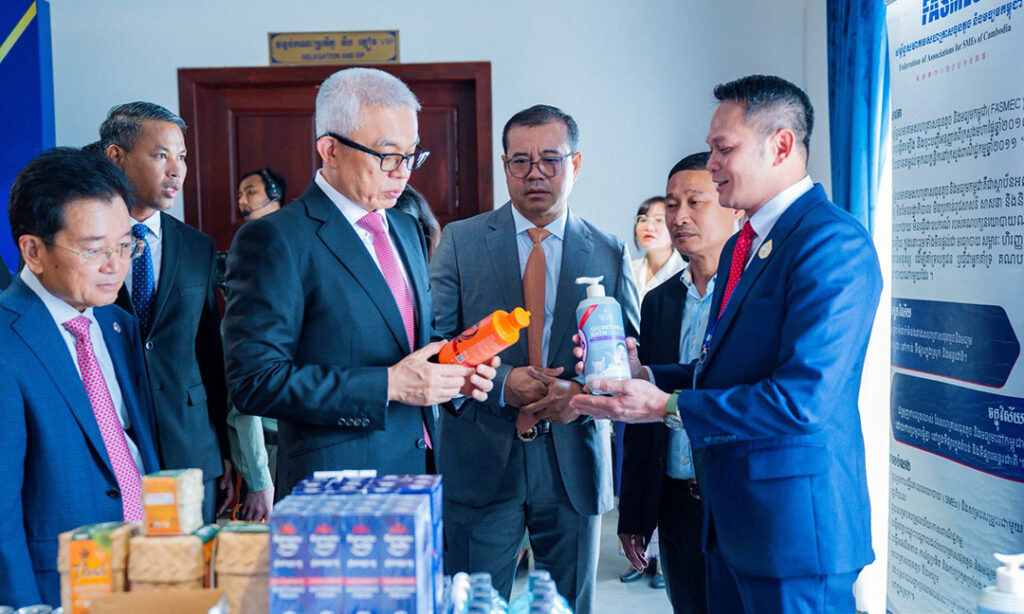
PHNOM PENH, July 6, 2026 (KPT) — Cambodia is stepping up efforts to modernize its customs administration through sweeping digital reforms and trade facilitation measures designed to improve border efficiency, strengthen the business environment and enhance the competitiveness of small and medium-sized enterprises (SMEs), officials said Monday. Speaking at the Customs–SME Alliance Forum, Huong Ratana, Chief of Office at the General Department of Customs and Excise (GDCE), said the authority has pursued a comprehensive modernization agenda since 2008, focusing on simplifying procedures, digitizing services and expanding support for businesses engaged in international trade. The reforms rest on three pillars: strengthening the trade facilitation framework, modernizing customs administration and providing greater support for SMEs involved in imports and exports. Cambodia has aligned its measures with international standards set by the World Trade Organization (WTO) and the World Customs Organization (WCO), including simplified procedures and risk management systems to accelerate cargo clearance. A key milestone has been the shift from paper-based declarations to the Automated System for Customs Data (ASYCUDA), which has streamlined processing while improving transparency and efficiency. In May 2024, the government launched the National Single Window, integrating ministries and agencies into a single online platform that allows traders to apply electronically for permits, licenses and certificates, cutting processing times. Regional connectivity has also been strengthened through the ASEAN Customs Transit System (ACTS), enabling seamless movement of goods across member states. To support SMEs, the GDCE now allows pre-arrival customs declarations, helping firms reduce clearance times and improve supply chain planning. Educational videos and digital guidance have been rolled out to help SMEs navigate procedures and export requirements. Other initiatives include an online duty payment system and a mobile app that lets traders search tariff codes and check licensing requirements. The GDCE has expanded its Authorized Economic Operator (AEO) programme, with 12 exporters, importers and logistics companies certified. Cambodia is the only ASEAN member actively encouraging SMEs to obtain AEO status, granting them simplified procedures and preferential facilitation. Cambodian AEO-certified businesses are recognized across ASEAN, while a new mutual recognition agreement with China is expected to further boost bilateral trade. According to the GDCE, the modernization strategy is guided by principles of simplification, harmonization, standardization and transparency, supporting the government’s broader push to strengthen trade competitiveness, attract investment and promote sustainable growth.
多角的分析
カンボジア政府による通関近代化は、貿易コスト削減と効率化を通じて、国内経済の競争力向上に直接寄与する。特にSMEは、複雑な手続きや長い通関時間による負担が軽減されることで、国際市場へのアクセスが容易になり、輸出入の増加が期待できる。これは、カンボジアがASEAN経済共同体(AEC)内での地位を強化し、より広範な貿易協定(例:RCEP)の恩恵を最大限に享受するための重要なステップである。デジタル化への投資は、長期的に見て、より予測可能で透明性の高いビジネス環境を構築し、外国直接投資(FDI)の誘致にも繋がるだろう。
今回の通関近代化は、カンボジアへの投資を検討している企業、特に輸出入に依存する製造業や貿易関連企業にとって、非常にポジティブなシグナルとなる。手続きの簡素化と迅速化は、サプライチェーンのリスクを低減し、運用コストを削減することに直結する。ASEAN域内および中国との相互承認協定の強化は、地域内での事業展開やサプライチェーンの最適化を容易にし、投資家にとってカンボジアの魅力を高める要因となる。AEOプログラムの拡大は、信頼性の高い企業へのインセンティブとなり、投資家はより安定したビジネス環境を期待できるだろう。
通関手続きのデジタル化と簡素化は、中小企業(SME)の経営者や従業員にとって、日々の業務負担の軽減に繋がる。これまで煩雑な書類作成や窓口での手続きに費やされていた時間と労力が削減され、より付加価値の高い業務に集中できるようになる。また、オンラインでの情報提供やガイダンスの充実により、SMEが国際貿易の複雑なルールを理解しやすくなり、新たなビジネスチャンスの獲得を後押しする可能性がある。これは、特に地方のSMEにとって、情報格差の是正にも貢献しうる。
通関手続きの近代化は、貿易コストの削減を通じて、間接的に消費者物価にも影響を与える可能性がある。輸入される商品のコストが下がることで、最終的な小売価格の引き下げに繋がることも考えられる。また、SMEの競争力向上は、雇用の創出や所得の増加に繋がり、国民全体の生活水準の向上に貢献する可能性がある。特に、輸出産業の活性化は、より多くの雇用機会を生み出すことが期待される。
背景・歴史的文脈
カンボジアの通関近代化は、2008年以降、ASEAN自由貿易圏(AFTA)の深化や世界貿易機関(WTO)加盟(2004年)といった国際的な経済統合の進展を背景に進められてきた。特に、地域経済統合の加速に伴い、国境を越える貿易の円滑化は、カンボジア経済の成長にとって不可欠な要素となった。過去には、紙ベースの煩雑な手続きや非効率な通関プロセスが、貿易コストの増加やビジネス環境の悪化を招く要因と指摘されてきた。これに対し、政府は段階的にデジタル化を進め、ASYCUDAシステムの導入や、2024年5月のナショナル・シングルウィンドウ稼働といった具体的な改革を実行してきた。これは、カンボジアが国際的なサプライチェーンにおける競争力を高め、外国投資を誘致するための戦略的な取り組みである。
原文ソース
Kampuchea Thmey English