General articles are free for 24 hours after publish.
Xi Jinping Warns Officials Against 'Lying Flat' and Demands Accountability
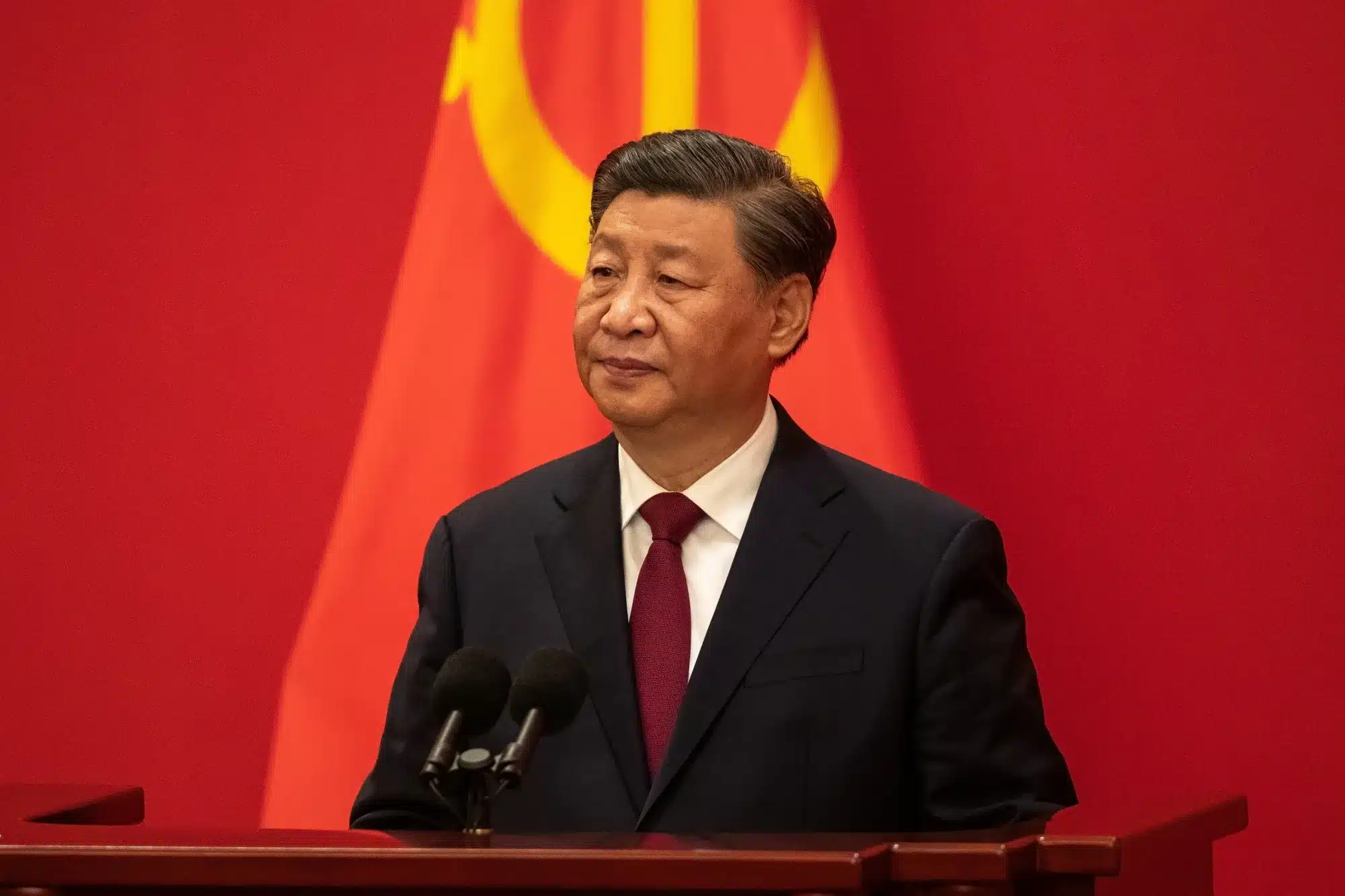
Chinese President Xi Jinping has issued a stern warning against bureaucratic inertia and inaction, vowing strict accountability for officials who fail to execute directives or exhibit poor governance. Amid economic slowdown and social pressures, the directive aims to foster proactive problem-solving and a results-oriented approach within the Party, signaling an evolution in discipline beyond mere honesty.
Home - China - China’s Xi Warns Officials Face Strict Accountability for Failure BEIJING – China’s President Xi Jinping has issued a stern warning to officials within the Chinese Communist Party. He stated clearly that power must be matched by responsibility at all levels of government. Leaders who fail to execute state directives or show poor governance will face strict accountability. This latest directive highlights Beijing’s growing impatience with bureaucratic inertia during a time of mounting domestic challenges. The message arrives as China navigates a complex economic slowdown and rising social pressures. The sweeping demands for party discipline were detailed in a recent article published in the party’s leading journal. Xi emphasized that maintaining rigorous self-governance is the shared duty of every single party member. State media outlets like Xinhua are amplifying this call for action, reminding cadres that no official is exempt. For years, the Chinese Communist Party has waged a relentless war against traditional financial corruption. However, a new type of problem has slowly emerged within the ranks of local leadership. Many cadres have grown excessively cautious, terrified that taking bold actions might accidentally trigger an investigation. This trend is widely known as “lying flat,” and it has deeply frustrated top leaders in Beijing. The recent article published in Qiushi Journal leaves no room for doubt about the government’s stance. The central leadership expects proactive, energetic governance from top to bottom across all provinces. It explicitly calls on party organizations at all levels to strengthen their sense of mission. Full and rigorous governance over the party is recognized as a fundamental requirement for holding public office. Xi Jinping has made it crystal clear that simply holding a title is no longer enough. Leaders must actively solve problems in their respective regions instead of avoiding complex local issues. They are expected to tackle difficult issues head-on, rather than passing the buck to someone else. The time for empty slogans and surface-level compliance is over, as the state demands concrete results. This strict approach aims to eliminate the gray areas of daily administrative governance. In the past, some officials escaped scrutiny by simply keeping a low profile and avoiding major mistakes. Today, that very passivity is viewed as a serious dereliction of duty by top officials. If an official holds power, they are strictly required to use it effectively to serve the state. This renewed focus on accountability is certainly not happening in an isolated political vacuum. China is currently facing a series of significant economic and complex social hurdles. Following years of rapid expansion, the national economy is experiencing a noticeable and concerning slowdown. Consumer spending remains cautious, and local government debts have become a pressing concern for policymakers in Beijing. To navigate these turbulent waters, the central government relies heavily on local administrative officials. These grassroots leaders are strictly responsible for implementing economic stimulus measures and vital social programs. When local cadres hesitate or delay action, national policies fundamentally fail to achieve their intended impact. Bureaucratic bottlenecks can severely stall infrastructure projects, delay vital investments, and hinder poverty alleviation efforts. The demand for strict accountability is therefore directly tied to ensuring broader national stability. The central leadership knows that overcoming economic headwinds requires a highly responsive and motivated bureaucracy. Local officials are constantly being pushed to find innovative solutions to complex problems in their jurisdictions. They must balance tight budgets while still delivering the high-quality public services that citizens actively demand. By publicly warning against complacency, Xi Jinping is attempting to jump-start the vast administrative machine. The primary goal is to shift the local mindset from risk avoidance to proactive problem-solving. The government desperately wants local leaders to act as engines of growth, rather than administrative roadblocks. For China to successfully transition its economy, every layer of government must work in perfect synchronization. To fully understand this new directive, we must examine the psychological state of China’s civil service. Over the past decade, the sweeping anti-corruption campaign has fundamentally transformed how the government operates. It successfully eliminated lavish banquets, backdoor dealings, and blatant bribery across all levels of administration. However, it also created an environment where many officials feel constantly watched and heavily scrutinized. This immense pressure has led to the rise of the “lying flat” phenomenon within the bureaucracy. Originally a term used by young people avoiding corporate stress, it was soon adopted by civil servants. These officials show up to work and strictly follow procedures, but they avoid taking any real initiative. They frequently weaponize red tape to delay decisions, hiding behind endless meetings to avoid personal responsibility. The central government has recently realized that this form of passive resistance is incredibly destructive. In recent months, state media has harshly criticized cadres who consistently pick only the easiest tasks. The public shaming of lazy officials has become common, with some regions handing out “Snail Awards”. Beijing is now actively criminalizing bureaucratic lethargy, forcefully equating it with direct political defiance. This massive shift marks a critical evolution in how the Communist Party maintains internal discipline. It is simply no longer enough to be honest and entirely free of financial corruption. An official must also be visibly productive and fiercely dedicated to advancing important state objectives. Those who suffer from excessive caution and freeze in the face of responsibility are being weeded out. To ensure these warnings translate into real change, the party is completely revamping its personnel evaluations. Xi Jinping has called for the establishment of a targeted and well-conceived accountability mechanism. This means moving away from a traditional, one-size-fits-all approach to conducting official performance reviews. The new system aims to accurately measure the real-world impact of a leader’s specific decisions. A major focus is on promoting a correct and practical view of regional governance performance. In the past, some local chiefs chased vanity projects to artificially boost their regional economic numbers. They would build unnecessary infrastructure or push short-term schemes just to secure a quick political promotion. The central leadership is now absolutely determined to stop these wasteful practices once and for all. Under the new guidelines, personnel selection w
Original source
Chiang Rai Times