General articles are free for 24 hours after publish.
Woman Transforms Melaleuca Forest into $3.8M Annual Tourism Business
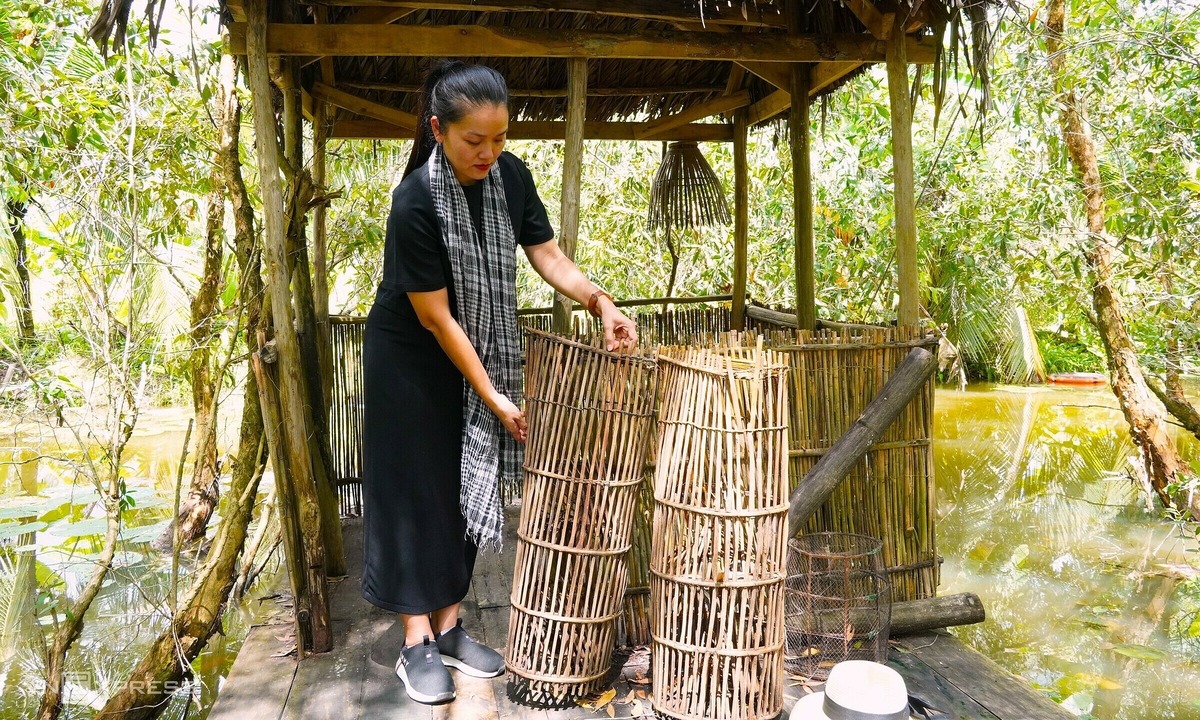
In Vietnam's southernmost province of Ca Mau, a 44-year-old entrepreneur has transformed six hectares of family-owned melaleuca forest into "Ca Mau Eco," a thriving ecotourism site generating approximately $3.8 million annually. She abandoned a city career to build a business rooted in local culture and nature, contributing to the regional economy.
Ngo Huynh Trang, 44, has successfully transformed six hectares of family-owned melaleuca forest and water into "Ca Mau Eco," an ecotourism site in Da Bac Commune, Ca Mau Province, generating approximately VND10 billion ($380,000) annually. The project leverages the rich natural environment adjacent to U Minh Ha National Park, a core zone of the Mui Ca Mau World Biosphere Reserve recognized by UNESCO. Trang, who graduated with a business administration degree in 2007, previously worked in Ho Chi Minh City. She resigned from her management position in 2012, seeking to raise her child closer to family in her hometown. Her initial venture into crocodile farming resulted in significant losses of around VND1 billion ($38,000) due to disease outbreaks and falling market prices. After a brief stint at a garment company, she refocused on developing a business utilizing local resources. Around 2018, Trang initiated plans to develop the family land for tourism. Despite lacking prior experience in the sector, she personally oversaw the design, construction, and even attended cooking classes to prepare for hosting guests. Facing challenges, including a partner's withdrawal, she persevered with family support. The site opened when approximately 80% complete and gradually expanded based on positive visitor feedback. At "Ca Mau Eco," visitors can enjoy sampan rides, fishing, traditional southern folk cake making, and wear the traditional southern blouse, ao ba ba. The site also offers performances of "don ca tai tu," southern chamber music, and introduces local folklore. Trang aims for the destination to offer more than just enjoyment, allowing visitors to experience the local way of life and the distinct characteristics of this riverine region. Furthermore, she has recreated a forest village, "Vo Doi," inspired by settlements built within the melaleuca forests during the Vietnam War. This model village aims to educate younger generations about the lives and struggles of people during that era. The original Vo Doi site was recognized as a national historical relic in 2018. Trang reports that "Ca Mau Eco" attracts several thousand visitors monthly, with numbers tripling during holidays, yielding annual revenues of around VND10 billion ($380,000) and a profit margin of approximately 30%. She acknowledges the need for continuous improvement and adaptation to market demands. Future plans include establishing a country market for local residents to sell their produce, such as field fish and wild greens, aiming to boost community income and provide visitors with direct exposure to Ca Mau life. In Vietnam's one-party system, private enterprises leveraging local resources play a crucial role in economic growth. Tourism, in particular, is prioritized for foreign exchange earnings and job creation, making Trang's success a potential model for regional economic revitalization. As Vietnam navigates complex relations with China, strengthening domestic industries and promoting regional resource utilization are key strategies for enhancing economic independence.
Original source
VnExpress International