General articles are free for 24 hours after publish.
Leptospirosis Bacteria Found in Estero de Paco, Raising Concerns Over Post-Rain Outbreaks
Researchers have detected the bacteria causing leptospirosis in Estero de Paco, Manila, amid concerns of outbreaks following heavy rains, which are known to drive transmission of the disease.
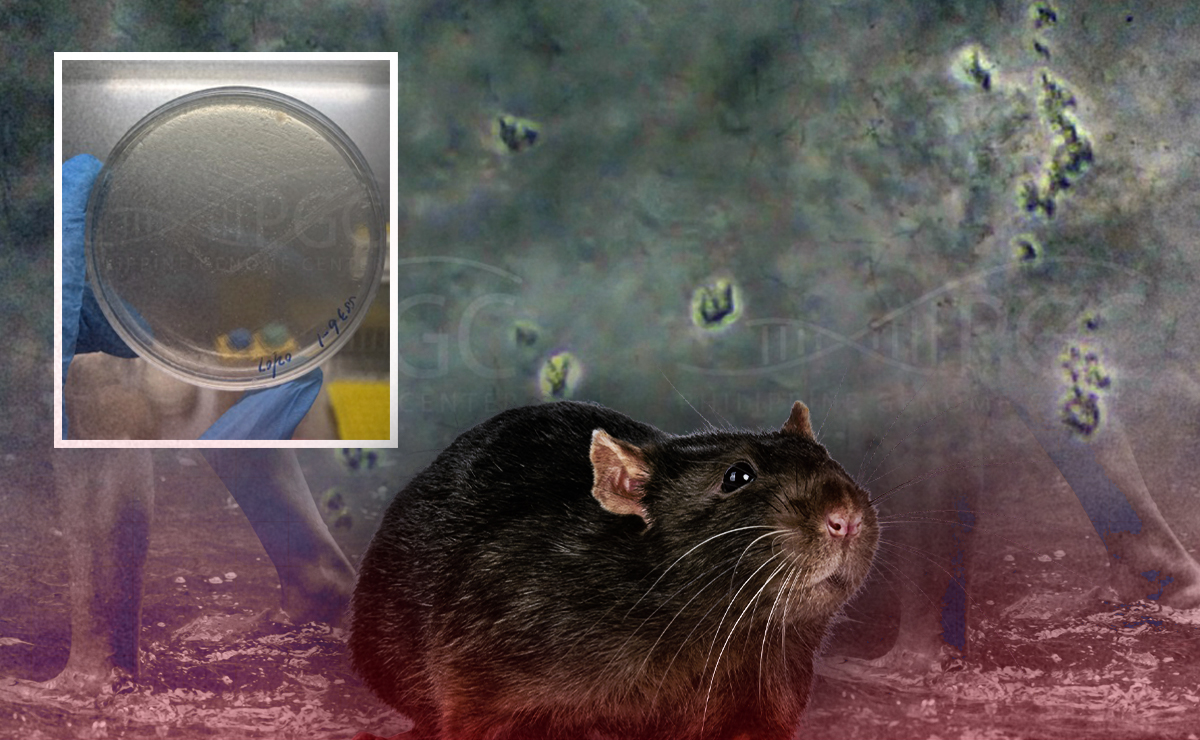
Researchers have detected the bacteria responsible for leptospirosis in Estero de Paco, a waterway in Manila, raising public health concerns particularly in a country prone to heavy rains and flooding. A peer-reviewed study by the Polytechnic University of the Philippines, published in Emerging Infectious Diseases, indicates a common pattern of leptospirosis outbreaks occurring several weeks after monsoon rains (Habagat). The study highlights that hospital admissions for leptospirosis tend to peak about two weeks after heavy rainfall, with flooding identified as a critical driver of transmission. Estero de Paco is one of the major water channels in Metro Manila, and its water quality and sanitation have been subject to scrutiny. The presence of Leptospira bacteria in this urban waterway suggests a potential risk of infection for residents in the vicinity and those living in areas close to the river. Leptospirosis is transmitted to humans through contact with water or soil contaminated by the urine of infected animals. Symptoms include high fever, headache, muscle pain, and jaundice, and it can lead to severe complications such as kidney failure and meningitis, potentially resulting in death. With the increasing frequency of extreme weather events due to climate change leading to more frequent floods and inundation in the Philippines, the risk of infectious disease outbreaks, including leptospirosis, is expected to rise. This situation necessitates reinforced disease prevention measures by the government and local authorities, including improvements in drainage systems, promotion of hygiene education, and heightened public awareness.
Original source
Inquirer NewsInfo