PH fishermen driven away from disputed shoal by China, a decade after historic ruling
A decade after a landmark international tribunal ruling against China's claims in the South China Sea, Filipino fishermen are too afraid to venture to Scarborough Shoal due to harassment by Chinese vessels. They report incidents like water cannons and cut anchors, impacting their livelihoods.
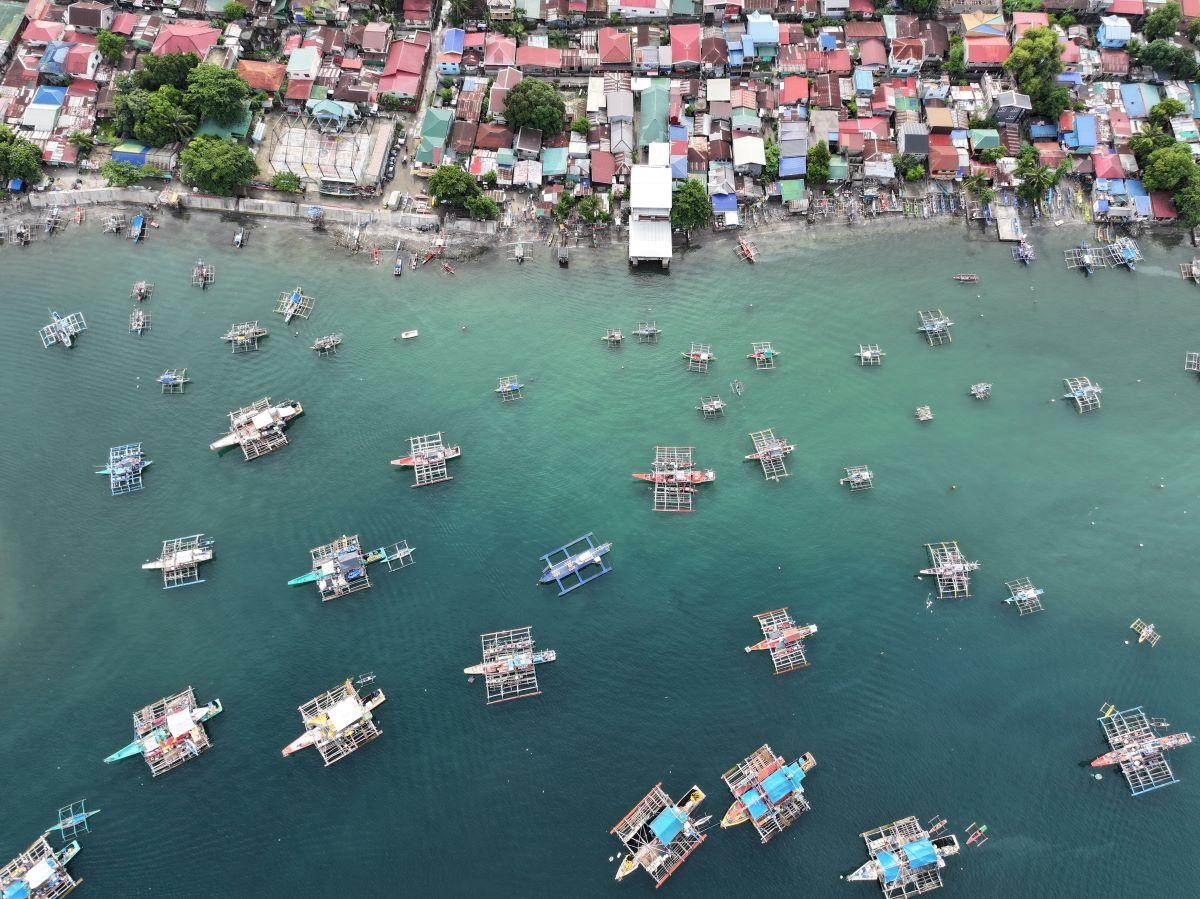
MASINLOC, Zambales — A decade after a landmark international tribunal ruling against China's claims in the South China Sea, Filipino fishermen say they have become too afraid to venture out to Scarborough Shoal and its prized fishing waters for fear of harassment by Chinese vessels. The shoal, one of Asia's most hotly contested maritime areas, has been under China's de facto control since 2012. In 2016, an international tribunal—the Permanent Court of Arbitration—ruled Beijing's sweeping maritime claims had no basis under law. The tribunal noted that the waters at the shoal, which China calls Huangyan Dao, are traditional fishing grounds shared by multiple nations, including the Philippines, China and Vietnam, but it did not rule on which country had sovereignty over the shoal. Many fishermen from the coastal town of Masinloc used to go to the shoal at times when they thought Chinese vessels might not be there, such as at night. Now they don't even do that, saying that China has only increased its efforts to block them and chase them away. Rony Drio, 59, has not been to the area since 2024. Fellow fisherman Henrilito Empoc, 47, has not been there since 2022. Instead, they fish close to the coast. "When we heard (in 2016) that we had won, what came to our minds and hearts was the freedom to fish again and the hope of a better livelihood," Empoc recalled. But Empoc says he has seen Chinese vessels use water cannons against Filipino fishing boats and Chinese personnel have cut their anchor lines to drive them away. "They took away our right to fish," said Empoc, who now drives a motorized tricycle taxi to supplement his income. Drio said a few years ago, Chinese personnel ordered him and another fisherman to leave the shoal's lagoon. Because the water was too shallow for their boat, they were forced to carry it across sharp coral. "The coral hurt our feet, but what hurt more was what they were doing to us," he said. China's embassy in Manila did not immediately respond to a request for comment about the actions alleged by Filipino fishermen. Beijing has long insisted that it does not recognize the tribunal's decision and that it has "indisputable sovereignty over Huangyan Island and its adjacent waters." The shoal has been a recurring source of tensions between Manila and Beijing, with friction flaring up this year over a floating barrier installed by China at the entrance to its lagoon that was later removed after Philippine protests. Beijing has also proposed establishing a nature reserve at the shoal, a move Manila has denounced as a "clear pretext for occupation." Some diplomats and analysts fear confrontations in the South China Sea could escalate into armed conflict. In June 2024, a Filipino sailor lost a finger during a violent encounter with the Chinese coast guard during a resupply mission to Ayungin Shoal, also known as Second Thomas Shoal, where Manila maintains a grounded warship. Philippine officials say the international tribunal's decision has strengthened Manila's legal position and underpinned a "transparency initiative" of publicizing confrontations at sea. It has also helped deepen defense cooperation with allies and led to expanded military and maritime activities with the United States, Japan and Australia. China's actions have been counterproductive in that regard, says Jay Batongbacal, director at the Institute of Maritime Affairs and Law of the Sea at the University of the Philippines. "Without China's actions, the number of allies and security partners for the Philippines definitely would not have increased," he said. But that is of little comfort to the likes of Drio and Empoc. "We won in 2016, but it doesn't feel like a victory to me," Drio said. — Reuters
多角的分析
スカボロー礁周辺の漁業資源はフィリピン沿岸漁民にとって重要な収入源であり、この海域へのアクセス制限は直接的な所得減少につながる。中国船による嫌がらせや漁具の損傷は、漁業活動の継続を困難にし、漁民の経済的自立を脅かしている。代替収入源の確保は容易ではなく、特に地方の漁村では貧困の悪化を招く可能性がある。これは、フィリピン経済全体においても、水産物供給の不安定化や関連産業への影響を通じて間接的な打撃となりうる。
南シナ海における中国の活動活発化とフィリピン漁民への影響は、地域における地政学的リスクの高まりを示唆する。これは、フィリピンへの直接投資や、関連インフラ(港湾、漁業施設など)への投資意欲にネガティブな影響を与える可能性がある。また、サプライチェーンの混乱リスクも考慮されるべきであり、特に水産物関連の輸出入を行う企業は、供給源の多様化やリスク管理策の強化を迫られるだろう。
スカボロー礁における漁業権の喪失は、マシニロックのような沿岸コミュニティの生活様式と伝統に深刻な影響を与えている。漁師たちの生活基盤が脅かされるだけでなく、彼らの子供たちの将来への希望も削がれている。漁師が収入源を確保するために他の職業(例:三輪タクシー運転手)に転換せざるを得ない状況は、地域社会における職業構造の変化と、それに伴う社会的な摩擦や不安を生じさせる可能性がある。また、中国当局による直接的な威圧行為は、フィリピン国民の安全への懸念を高めている。
今回の報道は、2016年の国際仲裁裁判所の判決という「勝利」が、現場の市民、特に漁民にとっては実質的な恩恵をもたらしていない現実を浮き彫りにしている。市民は、国際法的な勝利だけでは、中国の物理的な圧力に対抗し、日々の生活を守ることができないという無力感に直面している。水鉄砲や錨切断といった直接的な被害は、単なる経済的損失にとどまらず、国民の安全と尊厳への侵害として受け止められている。これは、政府の外交・安全保障政策に対する市民の信頼にも影響を与えうる。
背景・歴史的文脈
2016年の常設仲裁裁判所による南シナ海仲裁裁判(フィリピン対中国)は、中国の九段線に基づく広範な海洋権益の主張に法的根拠がないと判断した。これはフィリピンにとって法的な勝利であり、南シナ海における海洋権益を主張する上での重要な根拠となった。しかし、中国はこの判決を無視し、スカボロー礁を含む南シナ海の人工島建設や軍事拠点化を進めてきた。フィリピンは、この判決を基盤に、米国や日本、オーストラリアなどとの安全保障協力を強化しているが、現場の漁民は依然として中国海警局や民兵とされる船からの嫌がらせに直面し、伝統的な漁場へのアクセスを制限されている。
原文ソース
GMA News Philippines