Vietnam, France Deepen Cooperation to Localize Vaccine Manufacturing
Vietnam and France are strengthening cooperation in strategic medical technologies, particularly vaccine development. French pharmaceutical giant Sanofi and Vietnam's VNVC are advancing plans to establish a domestic vaccine plant capable of producing 100 million doses annually by 2028.
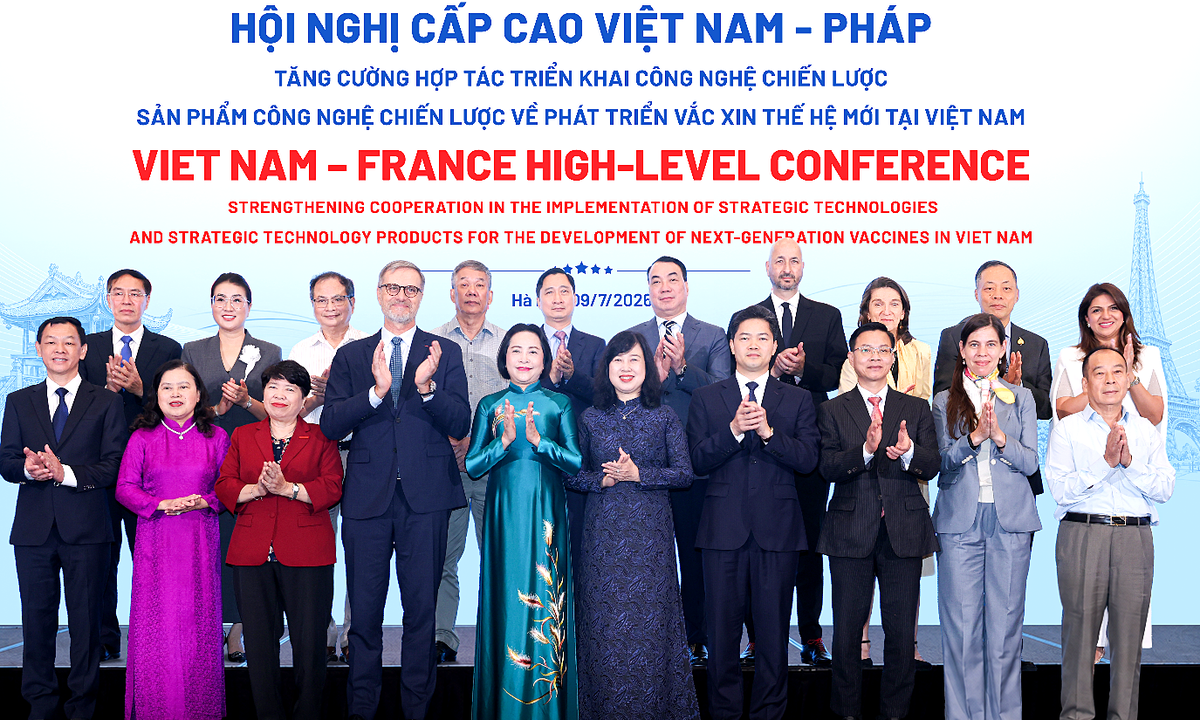
Vietnam and France are deepening their cooperation in strategic medical technologies, particularly in next-generation vaccine development. The Vietnam-France High-Level Conference on Strategic Technologies and Next-generation Vaccine Development, held in Hanoi on July 9, brought together senior Vietnamese and French health officials and experts to exchange knowledge and experience in preventive medicine. France possesses long-established expertise, advanced vaccine manufacturing capabilities, global supply chains, and strong research and innovation capacity, making it a strategic priority for Vietnam to strengthen its healthcare system, meet growing demand for disease prevention, improve health security, respond more effectively to infectious disease outbreaks, and achieve long-term economic development goals. This cooperation is expected to strengthen domestic vaccine manufacturing capabilities, ensure a stable supply for the National Immunization Program, and support Vietnam's long-term objective of becoming a regional center for vaccine manufacturing and innovation. As part of the cooperation roadmap, Vietnam Vaccine Joint Stock Company (VNVC) and French pharmaceutical company Sanofi are working toward localizing the production of several vaccines with high demand among children and adults. The manufacturing facility, covering over 26,000 square meters, is expected to begin operations by the end of 2027, with the first vaccine batches produced in Vietnam from 2028. The plant will have the capacity to manufacture approximately 100 million vaccine doses annually. The Minister of Health stated that health security has become increasingly linked to national security and sustainable development, particularly following the COVID-19 pandemic. She emphasized that strengthening domestic capabilities in vaccine research, manufacturing, and supply is crucial for protecting public health, improving the resilience of the healthcare system, and supporting long-term economic development. Vietnam's government has identified vaccines as a strategic technology product as it seeks to strengthen technological self-reliance and increase its participation in the global biotechnology and healthcare value chain. It also aims to position Vietnam as a regional hub for vaccine manufacturing and innovation in the long term. The French Ambassador noted that healthcare has been a key pillar of bilateral cooperation for decades, and in 2025, Vietnam imported US$486 million worth of pharmaceutical products from France, with vaccines accounting for a significant share. He also revealed that preparations are underway to sign a renewed intergovernmental agreement on healthcare cooperation covering medical training, hospital partnerships, research, public health, and innovation. Sanofi's Head of Vaccines stated that this cooperation is a long-term initiative encompassing research, workforce development, manufacturing capacity building, and compliance with international quality and safety standards, expressing commitment to contributing to Vietnam's vaccine self-sufficiency and strengthening national health security. The Chairman and General Director of VNVC stated that the company is investing in research, international cooperation, and vaccine manufacturing capacity as Vietnam develops strategic healthcare technologies, aiming to expand vaccine access and increase domestic supplies. This conference marks a new milestone in the collaboration between Sanofi and VNVC to advance vaccine manufacturing in Vietnam. The partnership began in October 2024 with the signing of an agreement in Paris during the official visit of the Party General Secretary to France, following the elevation of Vietnam-France relations to a Comprehensive Strategic Partnership. During the conference, representatives from the Central Steering Committee, the government, and the Ministry of Health also presented strategies on science, technology, innovation, and digital transformation, outlining Vietnam's priorities for developing strategic technologies and strategic technology products in the next phase of national development. Source: VnExpress International
多角的分析
ベトナムがワクチン国産化能力を強化することは、医薬品輸入依存度を低減し、国際的なバリューチェーンにおける地位を高める上で経済的に重要である。年間1億回分の製造能力は、国内需要を満たすだけでなく、地域市場への輸出機会も創出し、経済成長と雇用創ちにつながる可能性がある。また、戦略的技術製品としてのワクチン開発は、ハイテク産業の育成と技術移転を促進し、ベトナム経済の多様化に寄与すると考えられる。
この提携は、ベトナムのヘルスケアセクターへの投資機会を示唆している。サノフィのようなグローバル企業との連携は、VNVCの技術力と品質管理基準を向上させ、将来的な国際市場への参入を容易にする可能性がある。投資家は、ベトナム国内のワクチン需要の増加、政府の戦略的支援、そして長期的な輸出ポテンシャルに注目すべきである。ただし、技術移転や規制遵守の進捗は注視が必要である。
ワクチン製造の国内化は、国民の健康安全保障を強化し、パンデミックなどの危機への対応能力を高める。これにより、国民はより迅速かつ安価にワクチンを入手できるようになり、医療へのアクセスが改善されることが期待される。また、高度な製造技術の導入は、国内の科学技術人材の育成にも貢献し、将来的な医療イノベーションの基盤を築く。
今回のワクチン国産化に向けた仏製薬大手サノフィとの提携は、ベトナム市民にとって、将来的なワクチンへのアクセス向上と、より強固な健康安全保障体制の構築につながる朗報である。特に、子供向けのワクチンの安定供給は、多くの保護者にとって安心材料となるだろう。また、国内での製造能力向上は、輸入依存からの脱却を意味し、医療コストの抑制にも寄与する可能性がある。しかし、製造されるワクチンの種類や価格、そして国際的な品質基準への準拠が、市民が恩恵を享受できるかどうかの鍵となる。
背景・歴史的文脈
ベトナムは、COVID-19パンデミックを経験し、医薬品、特にワクチンの安定供給の重要性を痛感した。一党体制下で、政府は経済成長と国家安全保障の両立を目指しており、戦略的技術分野における自給自足能力の向上を国家目標に掲げている。近年、ベトナム・フランス関係は包括的戦略的パートナーシップに格上げされ、医療分野を含む多岐にわたる協力が進展している。今回のワクチン製造協力は、こうした両国関係の深化と、ベトナムの産業高度化戦略の一環として位置づけられる。
原文ソース
VnExpress International