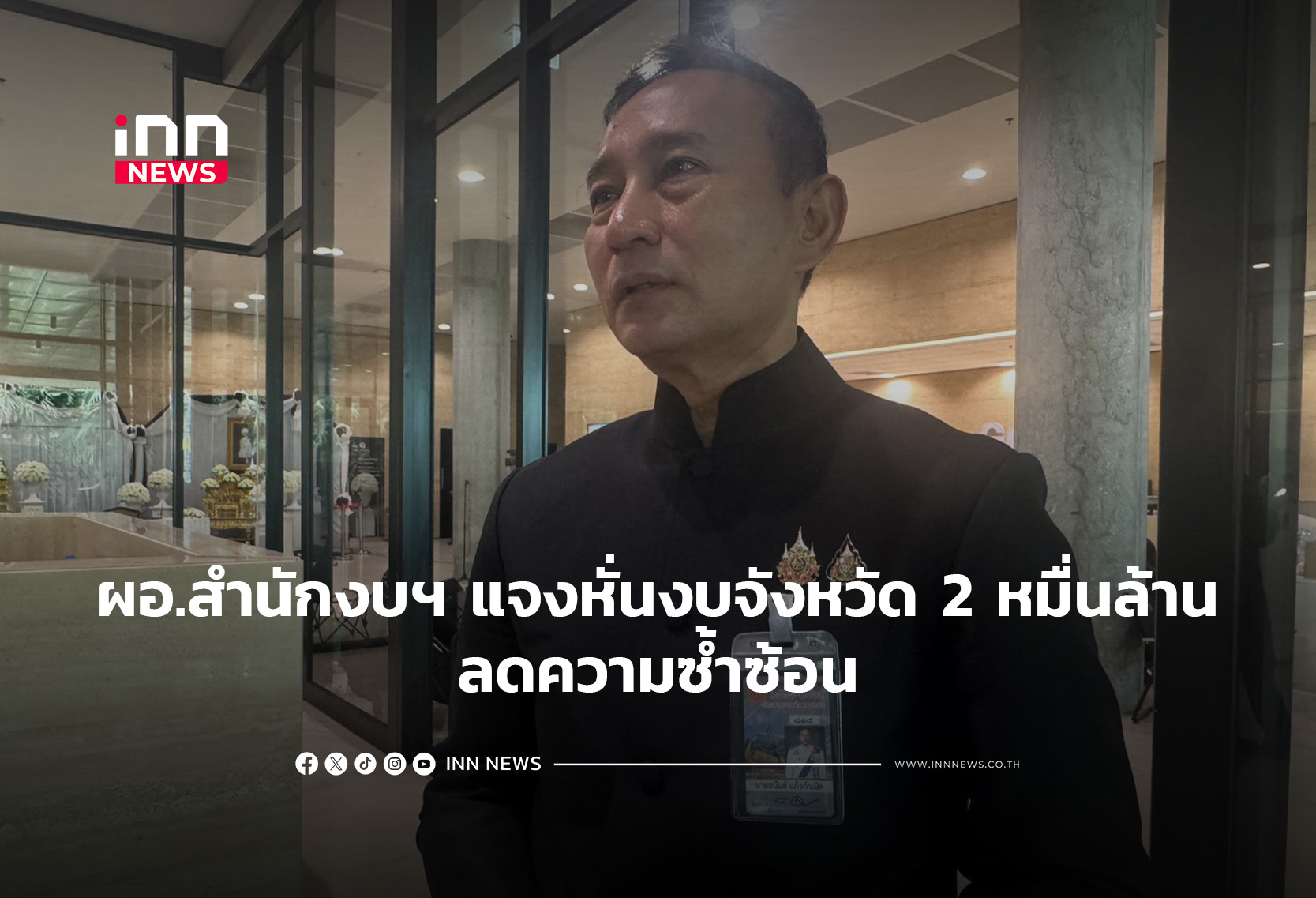
Thailand Slashes Provincial Budgets by 20 Billion Baht for FY2027, Cites Redundancy
Thailand's Office of the Budget has announced a significant cut to provincial and cluster budgets for fiscal year 2027, reducing them by approximately 20 billion baht to 4.284 billion baht. The move aims to eliminate redundancy with existing functional budgets and enhance fiscal efficiency, redirecting funds towards career promotion and tourism development.
The Office of the Budget in Thailand has announced a significant reduction in provincial and cluster budgets for fiscal year 2027. The budget for provinces and provincial clusters will be slashed from 26.33 billion baht in FY2026 to 4.284 billion baht in FY2027, a decrease of approximately 20 billion baht. Anan Kaewkamnerd, Director-General of the Office of the Budget, explained that the primary reason for this reduction is the redundancy between provincial/cluster budgets and the functional budgets of various government agencies, citing water management as an example. By streamlining these budgets, funds will be reallocated to more necessary projects, enhancing fiscal efficiency. The remaining budget will focus on promoting careers and diversifying tourism to ensure citizens do not miss out on opportunities. "The adjustment of provincial and cluster budgets is intended to ensure that budget utilization is more targeted according to government policy," Mr. Anan stated. "We are reducing redundant budgets already being handled by various agencies and focusing on practical, area-specific initiatives such as career promotion, tourism, and public services. Some of this funding will directly reach the villagers without duplication." Regarding civil servant salaries, a portion of the FY2027 budget includes 13 billion baht in the central budget for salary increments and professional adjustments, the same amount as the previous year. However, this will not involve an increase, reflecting the current high proportion of the budget allocated to regular expenses. New items in the FY2027 central budget include 12 billion baht for expenses related to addressing and recovering from crises, as well as mitigating the impacts of energy price volatility. This fund is a contingency for uncertain situations, as the impact of high energy prices may not subside quickly and could lead to a continuous economic slowdown. The utilization of these funds will be governed by administrative regulations, similar to those for economic stimulus measures. Furthermore, the reserve for emergency and necessary expenditures in the central budget for FY2027 has been set at a substantial 100 billion baht. This is deemed necessary due to the rapid global changes, including droughts, natural disasters, and fluctuating oil prices, requiring adequate preparation to care for the public. Regarding the FY2026 central budget for emergency and necessary expenditures, ongoing urgent needs continue to be addressed. A budget transfer of 10.3 billion baht is currently awaiting parliamentary approval. Once approved, expenditures will follow existing regulations. Any remaining funds may be considered for debt repayment. "For the remainder of FY2026, there will likely be no need for additional measures to accelerate budget spending," Mr. Anan noted. "We have reported to the government that this fiscal year's budget expenditure is the highest in decades. Particularly in the last month of the third quarter, the expenditure rate reached 82%, significantly exceeding the spending plan. This is a result of the government's efforts to accelerate investment budgets to drive the economy. Whether the 100% target will be met remains to be seen. We also wish to emphasize the efficiency of budget spending concurrently." Source: INN News
多角的分析
タイ政府は、財政の効率化と重複予算の解消を目的として、来年度予算において州・地域予算を大幅に削減する方針です。これは、中央集権的な予算配分から、より地域の実情に即した施策への転換を示唆しています。削減された予算は、職業振興や観光といった直接的な経済活動の促進に充てられるため、地方経済の活性化に寄与する可能性があります。一方で、エネルギー価格変動への対応や緊急予備費の増額は、国内外の経済的不確実性への備えを強化する動きであり、インフレ圧力や景気後退リスクへの警戒感も伺えます。
今回の州・地域予算の大幅削減は、投資家にとって、地方開発プロジェクトへの直接的な資金流入が減少する可能性を示唆します。しかし、削減分が職業振興や観光といった具体的な経済活動に振り向けられることは、これらの分野への投資機会の増加につながる可能性があります。また、エネルギー危機や経済の不確実性への備えとして計上された巨額の予備費は、政府の危機管理能力への信頼を高める一方で、その使途によっては財政赤字の拡大リスクも内包しており、今後の予算執行状況を注視する必要があります。
州・地域予算の削減は、地方自治体の財政運営に影響を与える可能性があります。これまで州や地域グループが実施していた事業の一部が縮小または見直されることで、地域住民の生活に直接的な変化が生じることも考えられます。特に、職業振興や観光促進に重点が移ることで、新たな雇用機会の創出や地域経済の活性化が期待される一方、既存の地域固有のニーズへの対応が後回しにされる懸念も指摘されています。また、公務員の給与据え置きは、公務員の士気やモチベーションに影響を与える可能性も否定できません。
今回の予算見直しは、タイ国民、特に地方住民の生活に直接的な影響を与える可能性があります。州・地域予算の削減は、これまで各地域で実施されてきたインフラ整備や公共サービスに関わる事業の縮小を意味するかもしれません。一方で、削減された予算が職業振興や観光に振り向けられることで、新たな雇用機会が生まれ、所得向上につながる可能性もあります。しかし、エネルギー価格の高騰や経済の不確実性への対応として確保された巨額の予備費は、将来的な税負担の増加や、緊急時以外の予算執行の遅延といった懸念も生じさせます。国民としては、予算の使途が明確になり、地域の実情に即した形で効果的に活用されることを期待しています。
背景・歴史的文脈
タイでは、長年にわたり中央政府と地方自治体の予算配分に関する議論が続いてきました。特に、州や地域グループに割り当てられる予算は、地域開発の推進力となる一方で、中央政府の機能別予算との重複や、必ずしも全国的な優先順位に合致しない事業への資金流入が指摘されてきました。過去には、地域間の格差是正や経済活性化のために、地方への予算配分を増やす動きもありましたが、財政の持続可能性と効率性の観点から、予算の最適化が常に課題とされてきました。今回の決定は、こうした背景を踏まえ、より効率的で効果的な財政運営を目指す政府の意思表示と言えます。
原文ソース
INN News