General articles are free for 24 hours after publish.
Illegal mining risks catastrophic flash floods at South Cotabato’s Tampakan project
Local officials warn that illegal hydraulic mining (banlas) in South Cotabato's Tampakan area is causing deforestation and landslides, increasing the risk of catastrophic flash floods similar to Nepal's disaster. This occurs around the Tampakan project, one of Southeast Asia's largest undeveloped copper and gold mines.
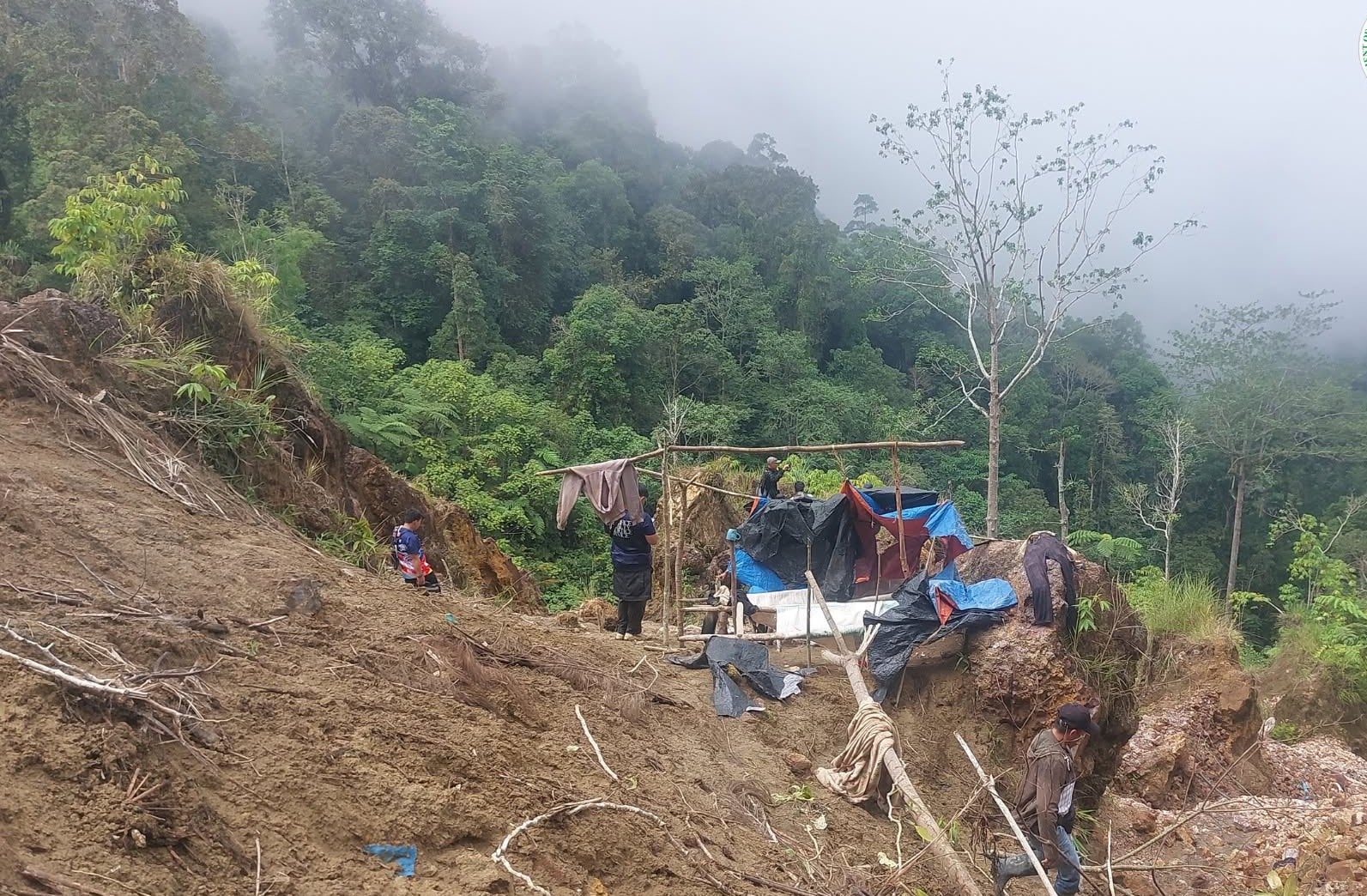
KORONADAL CITY – An official warned that the thriving of illegal ‘banlas’ or hydraulic mining operations in low-lying areas of the controversial Tampakan project, Southeast Asia’s largest undeveloped copper and gold minefield, could trigger catastrophic flash floods similar to the disaster in Nepal. Neil Ryan Escobillo, barangay captain of Pulabato in Tampakan, South Cotabato, cited a geological hazard assessment conducted by the Mines and Geosciences Bureau – Region 12 (MGB-12) in issuing the warning. He said what happened in Nepal last Aug. 26, which reportedly killed at least 1,000 individuals with about 5,000 still missing, was a manifestation of how flash floods can be catastrophic. READ: Nepal flood death toll rises to 1,355, nearly 5,000 unaccounted for In Nepal’s case, glaciers collapsed, and landslides with debris blocked the river flow, creating a natural dam and eventually flooding downstream, he said. Escobillo said this observation is quite similar to the site geological hazard assessment conducted last March in Sitio Campo Kilot in Barangay Pula Bato. “ (The) introduction of artificial erosion through hydraulic mining further weakens slope integrity, significantly increasing susceptibility to landslides…an increased risk of flooding due to potential artificial damming and sudden release of accumulated materials,” he said, citing the hazard assessment. “In short, the possibility of flash flood(s),” said Escobillo, an ex-officio member of the South Cotabato Sangguniang Panlalawigan, representing the Association of Barangay Captains in the province. READ: Marcos, South Cotabato execs urged to crack whip on destructive mining In a social media post, Escobillo said landslides near the illegal “banlas” mining sites within the Tampakan project have destroyed at least five hectares of forest lands. “Banlas,” also known as sluice mining, is a highly destructive mining method that involves pouring large amounts of water into a mountain’s surface to loosen the soil and rocks to extract gold ore, which is then panned using mercury. Escobillo added that aside from landslides triggered by banlas operations, rain-induced landslides are also compounding the situation, forming a natural dam blocking the river flow downstream. The MGB-12 has recommended intensifying the fight against banlas operators and rehabilitating the areas damaged by banlas mining. Sagittarius Mines, Inc. operates the Tampakan project, but commercial mining production, using the open-pit method, has yet to commence. READ: Another illegal mining operation dismantled in South Cotabato Aside from the open-pit ban imposed by the South Cotabato provincial government, the Tampakan project is facing social resistance waged by the local Catholic Church and environmental groups/coa
Original source
Inquirer NewsInfo