General articles are free for 24 hours after publish.
China's Elderly Man Loses Savings to Younger Wife, Seeks Recourse Through Will and Guardianship
A 78-year-old Chinese man lost his savings to his wife, 33 years his junior, and faces health decline and divorce difficulties. His family has responded by preparing a will and appointing a guardian, highlighting issues of asset protection for the elderly.
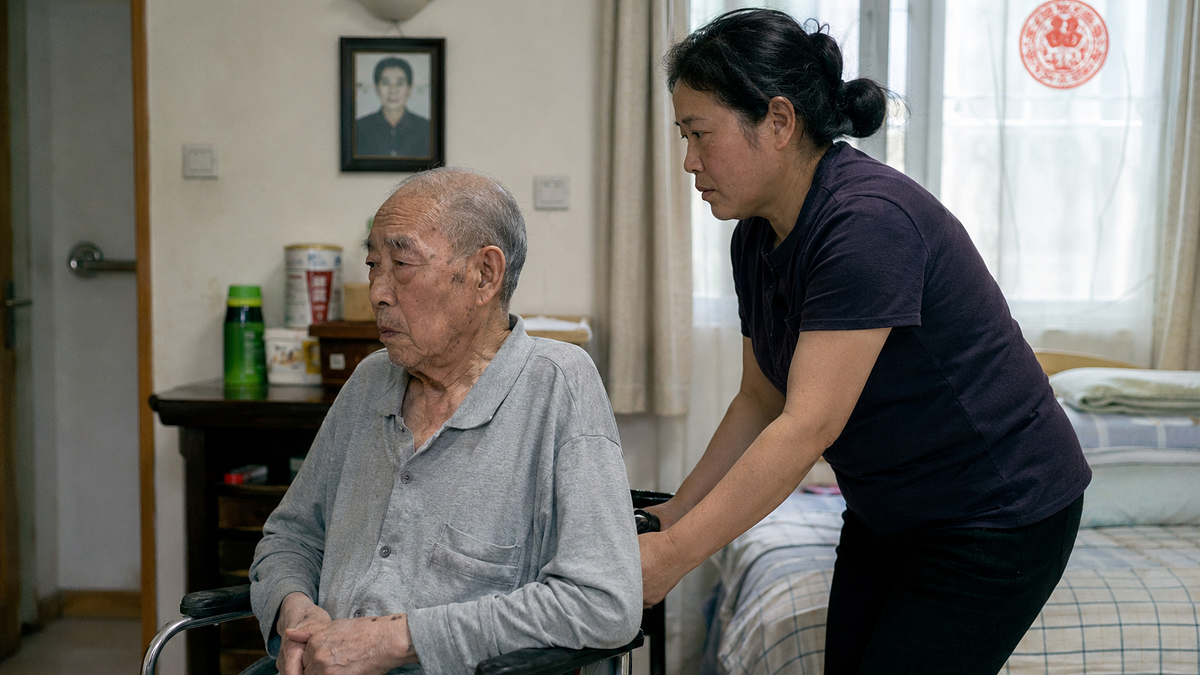
In Beijing, China, 78-year-old Mr. Zhang is facing a tragedy after marrying a woman 33 years his junior, who was formerly his caregiver. Following their marriage, his savings disappeared, his wife became frequently absent, and divorce proceedings have become difficult. Mr. Zhang, who uses a wheelchair after his wife's passing in 2012 and has no children, hired a 45-year-old woman as a caregiver in 2014. Two years later, she proposed living together, and they registered their marriage. Initially, Mr. Zhang's grandchildren supported the marriage, given his lack of children and the caregiver's dedicated attention. However, after the marriage registration, the wife's attitude changed. She stopped cooking regularly and frequently returned home late or was absent. Concurrently, tens of thousands of yuan in savings that Mr. Zhang kept at home vanished. "The money was kept in a high place, out of reach for someone in a wheelchair. By the time we discovered it, all the money was gone," recounted his grandson. When questioned about her caregiving responsibilities, the wife stated that if Mr. Zhang could not care for himself, he should find someone else. It took Mr. Zhang over half a year to confide in his family, still hoping his wife would change. He later proposed divorce, willing to offer financial compensation for his freedom and to move back with his grandson. However, his wife refused and would often leave for several days whenever the family brought up divorce. Mr. Zhang's family consulted a lawyer but were warned that legal proceedings could be lengthy and pose risks to an elderly person with poor health. To protect their home, valued at over 10 million yuan, the family took Mr. Zhang to the China Will Registration Center. After assessing his civil capacity, Mr. Zhang completed three procedures: making a will to bequeath his personal assets to his grandson, designating a guardian, and filing the records. Under Chinese law, personal assets acquired before marriage do not automatically become joint property after marriage. Designating a guardian helps protect the assets of the elderly in case they lose their cognitive abilities. Currently, Mr. Zhang continues to live in his old house. His grandson visits every few days to care for him, while his wife only makes occasional appearances. This case was mentioned in a report on family cases involving asset division for the elderly, released by the Beijing No. 2 Intermediate People's Court in late July. According to the report, from 2021 to 2025, the proportion of such cases increased from 4.4% to 15.5%. Among these, 18.1% of elderly individuals had transferred assets to caregivers or individuals without blood relations. The 80-89 age group accounted for 64.3% of cases involving asset disposition, with real estate appearing in 94.6% of instances.
Original source
VnExpress