General articles are free for 24 hours after publish.
Indonesia Grapples with Pangolin Poaching Amidst Misconceptions of Medicinal Properties
Pangolin poaching is escalating in Indonesia, fueled by misconceptions about their medicinal properties and demand as a luxury food. Despite conservation efforts and law enforcement, these endangered mammals remain under severe threat from illegal wildlife trade networks.
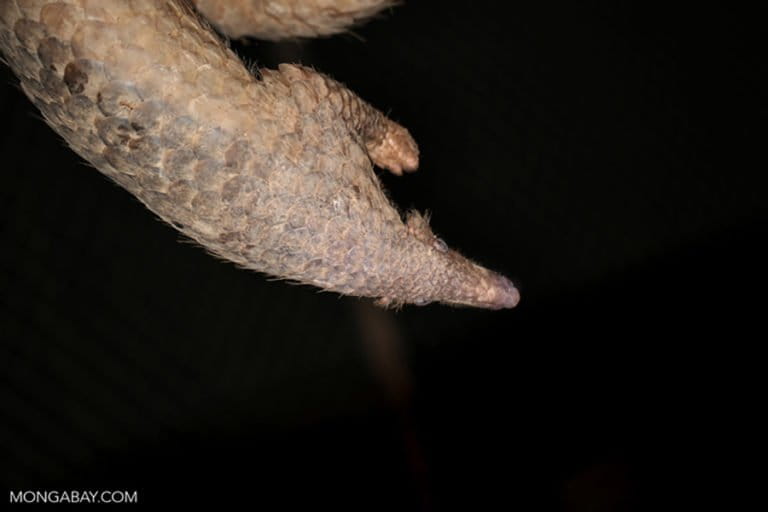
Pangolins, nocturnal mammals covered in unique scales that curl into a ball when threatened, are facing a severe poaching crisis in Indonesia. While their defense mechanism has protected them from natural predators for millions of years, it proves largely ineffective against human hunters. Despite not being as iconic as elephants, rhinos, or tigers in conservation campaigns, these scaly mammals are victims of the world's extensive wildlife trade. Their scales, meat, and even fetuses are traded to meet market demand, particularly in East Asia. A primary driver is the belief that pangolin scales possess medicinal properties, purported to treat various ailments, boost vitality, and even cure cancer. However, these claims lack scientific basis; pangolin scales are made of keratin, the same protein found in human nails and hair, and offer no specific health benefits when consumed. Beyond their scales, pangolin meat is also considered a delicacy. In some parts of East Asia, consuming pangolin meat or fetuses is seen as a symbol of social status, serving as a means to display wealth and prestige rather than merely a meal. This combination of health myths and a consumptive lifestyle fuels high demand exploited by illegal trafficking networks. The scale of this trade is alarming. Since 2000, tens of thousands of pangolins have been reported traded from various countries across Asia and Africa. Within Indonesia, SCENTS Foundation data indicates 354 perpetrators and 299 confiscation operations in 2022. In 2023, there were 267 operations resulting in 217 arrests. The first three months of 2024 saw 35 confiscation operations. Pangolins have ranked first among seized evidence by authorities since 2003. This situation highlights a critical challenge in Indonesia's biodiversity conservation, where unsubstantiated beliefs and a desire for social prestige are pushing an already endangered species further towards the brink.
Original source
Mongabay Indonesia