General articles are free for 24 hours after publish.
Thailand Reaffirms Domestic Gas Production's Crucial Role in Energy Security
Thailand faces declining domestic natural gas production, increasing reliance on imports for electricity, industry, and transport. Maintaining domestic output is reaffirmed as crucial for mitigating price volatility and ensuring energy security.
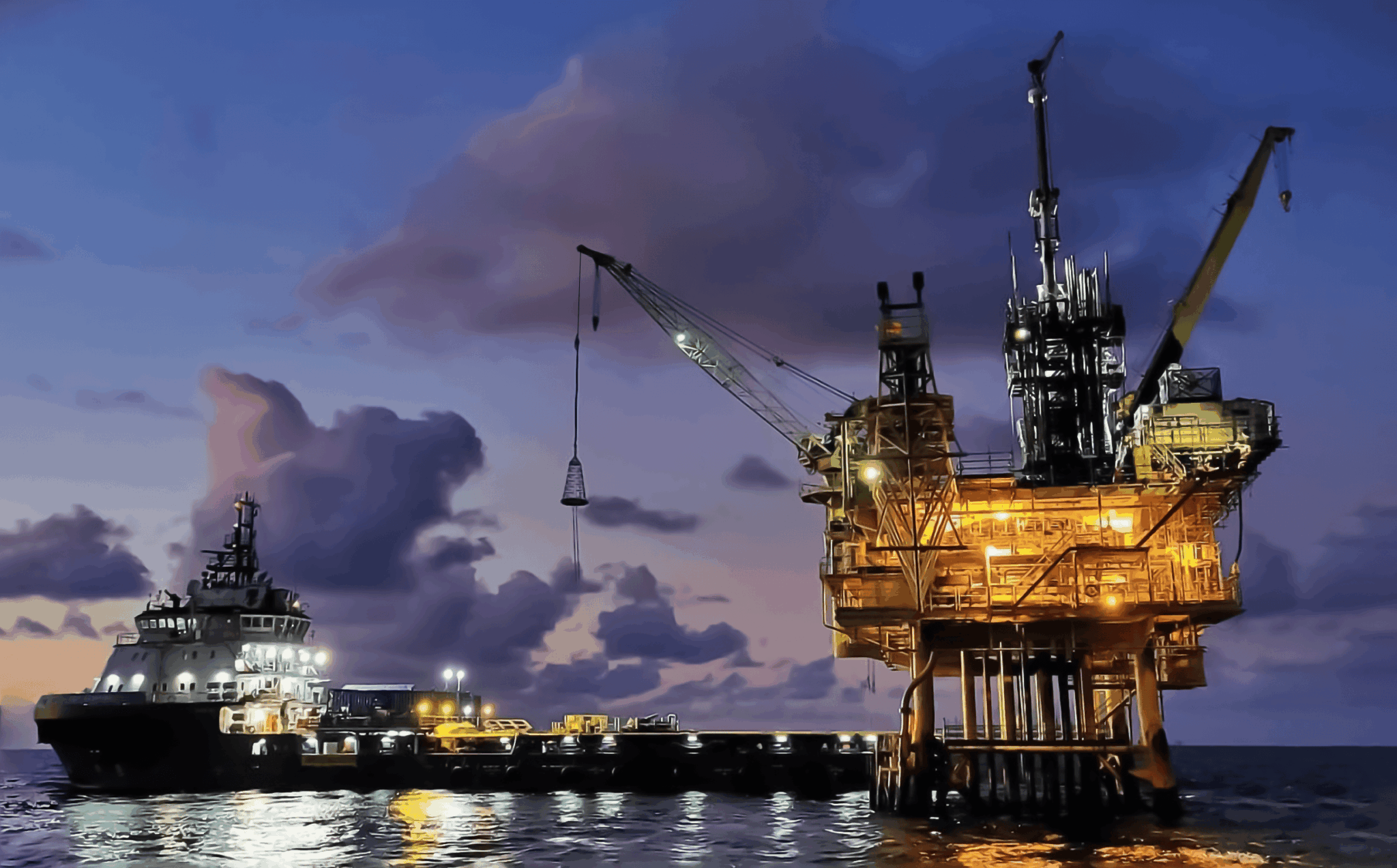
Thailand is reaffirming the critical importance of its domestic natural gas production, as the country grapples with declining output from aging offshore fields and a growing reliance on imports. This situation poses significant challenges to the nation's energy security, with international market volatility and supply disruptions directly impacting domestic energy costs. Natural gas remains a primary feedstock for electricity generation, industry, and transportation in Thailand, including compressed natural gas (CNG). The aging offshore fields in the Gulf of Thailand, which were once the backbone of the nation's energy supply, are no longer producing enough to meet national demand. Consequently, Thailand has become increasingly dependent on imported natural gas, particularly Liquefied Natural Gas (LNG) and pipeline gas from Myanmar. Domestic gas production is a practical energy security issue. Reliable supplies from the Gulf of Thailand can help limit price shocks, support steady power generation, and provide Thailand with greater control during international supply disruptions. However, new production from fields such as Erawan, Bongkot, Arthit, and Pailin must be balanced against the broader need to transition to a cleaner energy system. Thailand's modern gas economy began with offshore production from the Erawan field in 1981. This domestic output helped expand electricity generation and supported the growth of factories, petrochemical facilities, and other industries requiring a steady fuel supply. Gas is extracted from beneath the Gulf of Thailand, processed in Rayong, and then fed into Thailand's transmission network for delivery to power plants, industrial users, and gas separation plants, which also extract valuable products like LPG. Recent reporting indicates that domestic gas production accounts for roughly half to 60% of Thailand's total supply, depending on the year and calculation method. This share has declined from earlier levels, underscoring the Gulf of Thailand's continued importance in the country's energy planning. The shrinking offshore volumes necessitate that Thailand replace missing volumes with pipeline gas from Myanmar or LNG. A dependable domestic supply offers power producers and utility companies a steadier fuel source, enhancing reliability when households require cooling, factories are running production lines, and transport-related energy systems depend on uninterrupted gas supply. Furthermore, local natural gas can reduce Thailand's reliance on spot LNG cargoes, whose prices can surge during cold weather, supply shortages, shipping disruptions, or regional conflicts. This can lessen the pressure on utility companies to adjust their price plans or raise end-users' monthly bills. However, domestic gas production is not automatically cheap. Exploration, offshore production, processing, maintenance, and pipeline transport all incur costs. Thailand's practical goal is risk reduction, not complete self-sufficiency. Maintaining sufficient local production gives Thailand more control over its supply while imported LNG and pipeline gas fill the remaining gap. This mix can help protect household energy costs and factory competitiveness when international markets become unstable. The Erawan field, after a challenging transition in operatorship to PTTEP Energy Development, reportedly reached its target production of 800 million cubic feet per day in 2024. PTTEP is also working to sustain production at Bongkot, Arthit, and the Malaysia-Thailand Joint Development Area. These projects can slow depletion, reduce LNG purchases, and provide Thailand's electricity grid with a more dependable fuel base. Nevertheless, investment in mature fields is akin to drawing more water from an already low well; additional drilling may improve daily output but does not permanently stop reservoir depletion. Thailand gains time through new production, not permanent independence from imports. Source: Chiang Rai Times
Original source
Chiang Rai Times