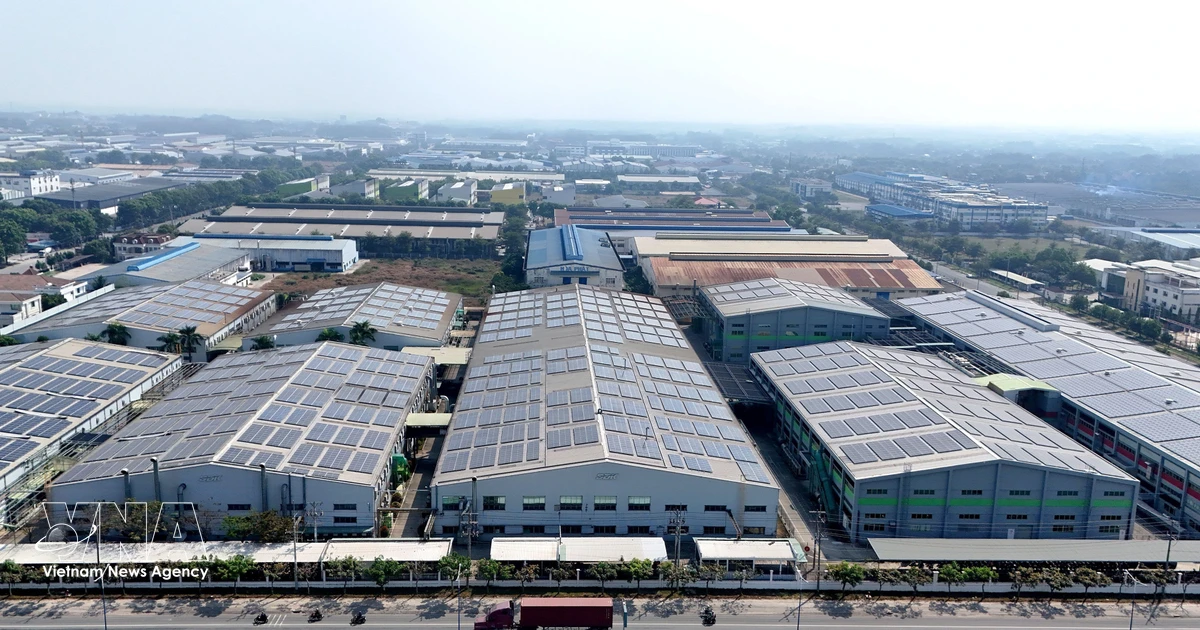
Ho Chi Minh City Shifts Focus from FDI Attraction to Innovation Ecosystem Building
Ho Chi Minh City is shifting its strategy from attracting foreign direct investment (FDI) to building an innovation ecosystem. This aligns with the Party's policy reaffirming the importance of the FDI sector to the Vietnamese economy, aiming for a sustainable 'Green-Clean-Digital' model.
Ho Chi Minh City is shifting its strategic focus from attracting foreign direct investment (FDI) to building an innovation ecosystem. This move aligns with the Party's consistent policy that the foreign-invested sector is an integral component of the national economy, encouraged for long-term development and treated on an equal footing with other sectors. Chairman of the municipal People's Committee, Nguyen Van Duoc, reflected on the historic journey of Ho Chi Minh City (formerly Saigon – Gia Dinh) over the 50 years since its renaming. In preparation for a new generation of FDI attraction, the city is expanding its high-tech development space. An expansion area of 194.84 hectares in Long Phuoc ward is being planned under a "Green–Clean–Digital" model, aiming for carbon neutrality before 2050. Vietnam's economy is steadily transforming from a low-cost manufacturing base into a critical link in global industrial value chains, driven by robust growth, resilience to global turmoil, and a policy push to attract high-value manufacturing, research and development, and technology investment. The International Monetary Fund (IMF) projects Vietnam's economic growth at 6.5% for 2024, indicating continued strength. According to the World Bank, Vietnam's gross national income (GNI) per capita reached US$4,970 in 2025, surpassing the upper-middle-income threshold. This economic growth is supported by strong exports. In the first half of the year, agricultural products generated US$18.59 billion, aquatic products US$5.7 billion, and forestry products US$9.2 billion, all showing year-on-year increases. Notably, Vietnam's e-commerce market is one of Southeast Asia's most dynamic, sustaining annual growth of around 20–25%. Further improvements in the legal framework and strengthening consumer trust are expected to make e-commerce a key driver of Vietnam's digital economy. Concurrently, Vietnam is intensifying its focus on higher technology and innovation to enhance global competitiveness. This is part of a national strategy aiming for Vietnam to become a hub for research and development and high-value industries, rather than just a manufacturing base. This transition to a new phase is expected to contribute to the further sophistication and sustainable growth of the Vietnamese economy. Source: VietnamPlus English
多角的分析
ホーチミン市がFDI誘致からイノベーションエコシステム構築へと舵を切る背景には、ベトナム経済が低コスト製造拠点から脱却し、より高付加価値産業へとシフトしようとする国家戦略がある。これは、過去のFDIが主に製造業に集中し、技術移転やイノベーション創出の面で限界が見られたことへの反省とも言える。Resolution No. 10-NQ/TWで示された2026–2030年のFDI誘致目標(年間400〜500億米ドル)は野心的だが、質的な転換が求められている。グリーン・クリーン・デジタルモデルへの移行は、世界的なESG投資の潮流に乗り、持続可能な成長を目指す意思表示であり、新たな投資を引きつけるための重要な要素となるだろう。
ホーチミン市のイノベーションエコシステム構築へのシフトは、投資家にとって新たな機会とリスクの両方をもたらす。従来の製造業への投資だけでなく、スタートアップ、R&Dセンター、ハイテク産業への投資がより魅力的になる可能性がある。特に、グリーン・テクノロジー、デジタル経済、バイオテクノロジーなどの分野は、政府の支援策も期待できるため、注目度が高まるだろう。一方で、イノベーションエコシステムの成熟には時間がかかり、初期段階では不確実性も伴うため、慎重なリスク評価が求められる。また、グローバルサプライチェーンの再編が進む中で、ベトナムがどのように国際的な技術革新のハブとしての地位を確立できるかが、長期的な投資環境を左右する。
ホーチミン市が「グリーン・クリーン・デジタル」モデルを推進する中で、市民生活への影響は多岐にわたると考えられる。まず、ハイテク産業の発展は、高度なスキルを持つ人材への需要を高め、若年層に新たな雇用機会をもたらす可能性がある。しかし、同時にデジタルデバイドの拡大や、都市部と地方部、あるいは異なるスキルを持つ層との間の所得格差が懸念される。また、カーボンニュートラル目標達成に向けた環境政策の強化は、大気汚染の改善など、都市環境の質向上に寄与する可能性があるが、その過程で産業構造の変化が地域経済や雇用に与える影響も注視する必要がある。例えば、ロンフオック区の新しい開発エリアは、持続可能な都市開発のモデルケースとなる一方で、地域住民の生活様式やコミュニティ構造に変化をもたらす可能性も否定できない。
ホーチミン市がイノベーションエコシステム構築に注力する中で、市民、特に若年層は、より高度なスキルを習得し、将来のキャリアパスを多様化する機会を得る可能性があります。例えば、IT分野や再生可能エネルギー関連のスタートアップ企業が増加すれば、新たな雇用が創出されるでしょう。しかし、同時に、こうした新しい産業分野で求められるスキルセットへの適応が課題となる可能性もあります。また、「グリーン・クリーン・デジタル」モデルは、大気汚染の改善や、より持続可能な都市生活への期待を高める一方で、新しい技術やインフラへのアクセス格差が、社会的な分断を深める懸念も存在します。例えば、スマートシティ化が進む中で、デジタルリテラシーの低い高齢者層が取り残されるような事態は避けなければなりません。
背景・歴史的文脈
ベトナムは1986年のドイモイ政策以降、外国直接投資(FDI)を経済成長の重要なエンジンとしてきました。特にホーチミン市は、その地理的優位性と経済的ポテンシャルから、長年にわたりFDI誘致の中心地であり続けています。しかし、近年の世界経済の変動や、ベトナム経済が成熟期を迎える中で、単なる低コストの製造拠点としての魅力だけでは、持続的な成長を維持することが難しくなってきました。これを受け、ベトナム政府は、より高付加価値な産業、特にテクノロジー、研究開発、イノベーションを重視する方向へと政策を転換し始めています。Resolution No. 10-NQ/TWは、この政策転換の具体的な方向性を示すものであり、ホーチミン市がその先頭に立ってイノベーションエコシステムを構築しようとしていることは、ベトナム経済の新たな段階への移行を象徴しています。
原文ソース
VietnamPlus English