General articles are free for 24 hours after publish.
Vietnam to Monitor Prices Monthly to Curb Inflation: Deputy PM
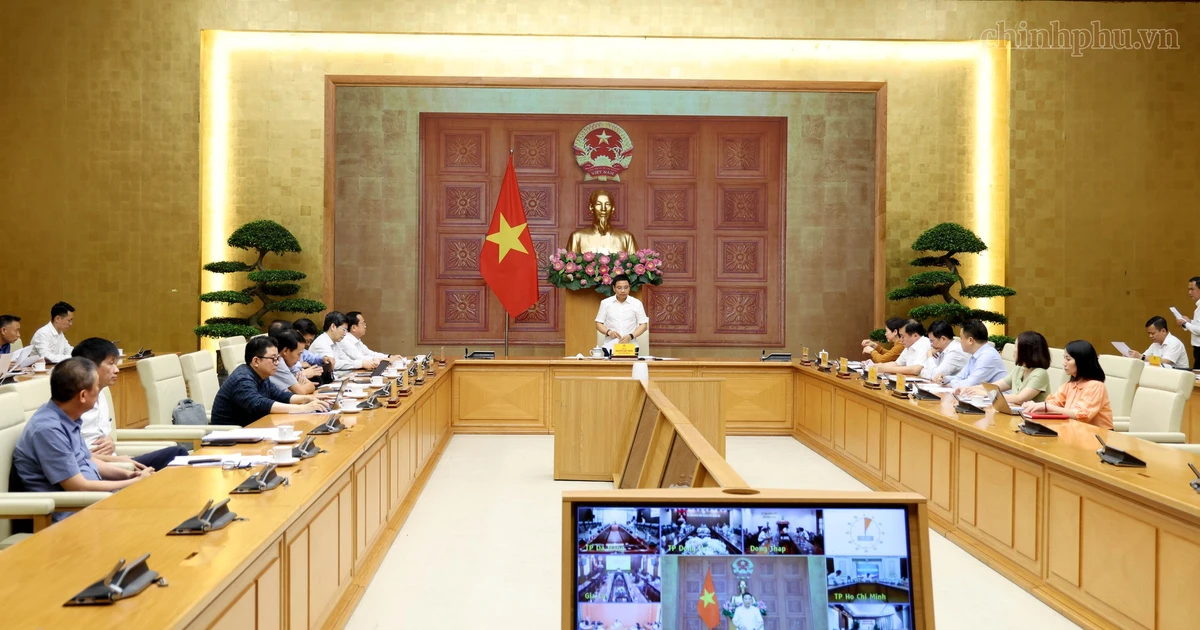
Vietnam will enhance monthly price monitoring as directed by the Deputy Prime Minister to keep inflation within its target range. While August's Consumer Price Index (CPI) rose 4.89% year-on-year, achieving the annual target is still considered feasible. Balancing economic growth with price stability remains a key challenge.
The Vietnamese government will strengthen monthly monitoring of the Consumer Price Index (CPI) as directed by the Deputy Prime Minister to curb inflation and achieve its annual target. The August CPI rose 4.89% year-on-year and 3.57% from the beginning of the year. The average increase for the first eight months of 2026 was 4.45% compared to the same period last year. The government anticipates that the retreat of international oil prices, the extension of domestic fuel tax incentives, and stable electricity prices, healthcare fees, and exchange rates will contribute to inflation control. Vietnam faces the challenging task of balancing sustained high economic growth with inflation control. Under its one-party system, economic growth is a paramount objective, and price stability is crucial for maintaining public welfare and international competitiveness. The government is also continuing policies to alleviate economic burdens on businesses and individuals, such as extending the exemption of agricultural land use tax until 2026 and allowing deferrals of VAT, corporate income tax, and personal income tax payments. These measures aim to stimulate economic activity while easing inflationary pressures. In terms of economic growth, strong expansion is anticipated nationwide, with Ho Chi Minh City targeting GRDP growth of over 11.07% in the third quarter. Retail sales in August showed robust performance, increasing by 14.9% year-on-year. Foreign Direct Investment (FDI) is also growing, particularly in Hanoi, with significant increases in the number and capital of newly registered projects. This suggests that Vietnam's economic liberalization policies and its evolving geopolitical position are creating an attractive environment for investors. Meanwhile, Vietnam is shifting its strategy from traditional manufacturing towards prioritizing green transition and innovation. This move is in response to changes in global supply chains and stricter environmental regulations, reflecting a commitment to sustainable future growth. In its relations with China, trade between Vietnam and China remains active, with a high dependence on the Chinese market for agricultural exports such as durian. However, diversification of export markets is also being pursued, with efforts to expand trade with Russia. Vietnam is committed to tackling the challenge of balancing economic growth and price stability through policy adjustments. Source: VietnamPlus English
Original source
VietnamPlus English