General articles are free for 24 hours after publish.
Cambodia's Ministry of Labor Promotes Positive Workplace Relations to Boost Productivity and Enterprise Stability
Cambodia's Ministry of Labor and Vocational Training has urged companies to foster positive conduct and relationships in the workplace to enhance productivity and enterprise stability. Minister Heng Sour emphasized the importance of effective communication between management and employees, aiming to prevent disputes and ensure smooth business operations.
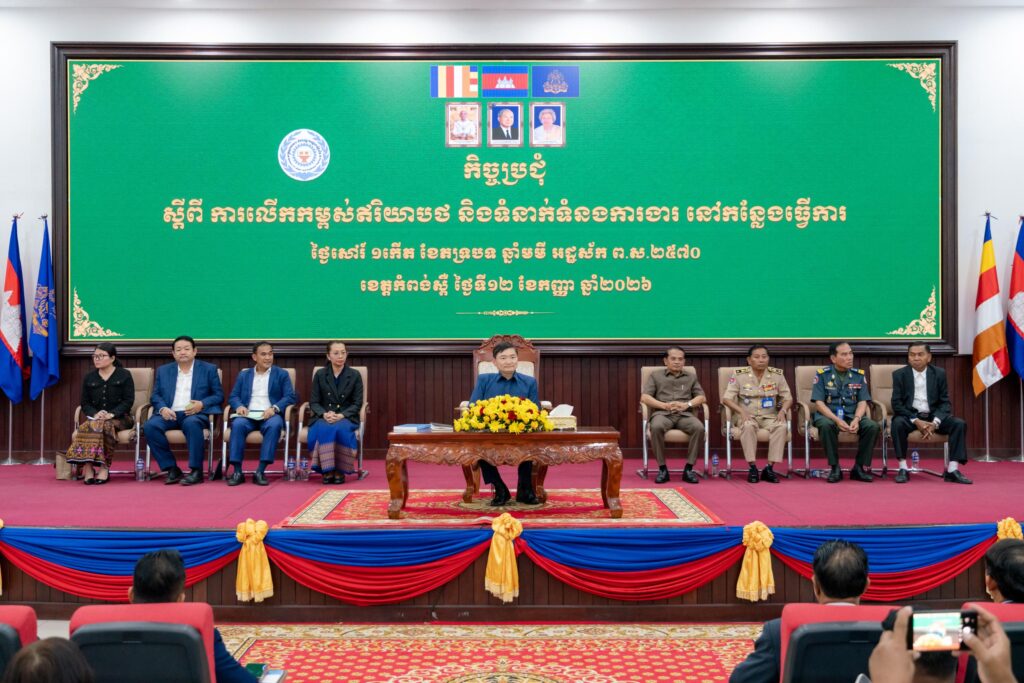
The Ministry of Labor and Vocational Training of Cambodia is strongly urging companies to promote positive conduct and good relations in the workplace to enhance productivity and ensure the stability of enterprises, companies, and factories. On the afternoon of September 12, 2026, Minister Heng Sour, during a meeting on “Promoting Workplace Conduct and Relations” held at the conference hall of the Kampong Speu Provincial Hall, addressed nearly 500 representatives from enterprises, companies, and factories in Kampong Speu province. The Minister stated that effective management, respect for dignity, and labor productivity are inseparable. He explained that if problems arise in the relationship between managers and employees, minor issues can escalate into major ones, impacting production, reputation, and confidence from business partners. Workplace relations stem from employment contracts, which establish mutual rights and obligations. He clarified that the exercise of rights and fulfillment of obligations must remain within the bounds of the law, employment contracts, and internal regulations. Both parties must refrain from threats, inappropriate language or behavior, and violations of each other's rights or dignity. Angry words can have long-lasting negative effects, leading to loss of morale, psychological distress, and diminished trust, potentially escalating to tension, disputes, protests, or production stoppages. Regarding foreign managers, Heng Sour advised them to understand language and cultural differences to avoid misunderstandings. Translators must perform their roles accurately, completely, neutrally, and professionally. Human resource management must adhere to the principle of non-discrimination, with decisions based on legal reasons, qualifications, competence, and work results, not on race, color, gender, belief, religion, political views, place of birth, social origin, or union activities. Insults, threats, cruel acts, or assault are serious offenses under labor law. The Minister reaffirmed the employer's responsibility to create a workplace that is safe, dignified, and free from harassment or sexual assault. Owners and directors of enterprises must prevent, deter, and address inappropriate conduct equitably and promptly. Foreigners working in Cambodia must possess work permits and books and must respect Cambodian laws, internal regulations, culture, customs, and the dignity of the Cambodian people. In this regard, the Ministry of Labor recommends that enterprises establish written policies on respectful communication, define prohibited behaviors, and provide training to management, human resources personnel, and related parties. Additionally, there should be a complaint reception and resolution system that is accessible, secure, maintains confidentiality, and reviews complaints impartially and justly. Employees, staff representatives, and unions must respect working hours, discipline, roles, and duties, and resolve issues peacefully through existing mechanisms. He emphasized that disciplinary measures should aim to correct behavior, maintain discipline, and prevent recurrence, rather than serving as emotional revenge or punishment. Concurrently, the Minister urged all parties to review their management and problem-solving systems before resorting to protests or social media dissemination. The Ministry will continue to cooperate with all relevant parties to disseminate information, provide training, monitor, and support corrective actions within enterprises. He also requested that enterprises send personnel responsible for administration and human resources to undergo training at the National Institute of Labor.
Original source
Kampuchea Thmey Local