Cambodian Founders Face Succession Challenges, Embracing 'Stewardship'
For many Cambodian founders, business succession is a profoundly difficult challenge that can shake their sense of purpose. Shifting from ownership to 'stewardship' is key to ensuring the business's long-term prosperity and preserving family bonds.
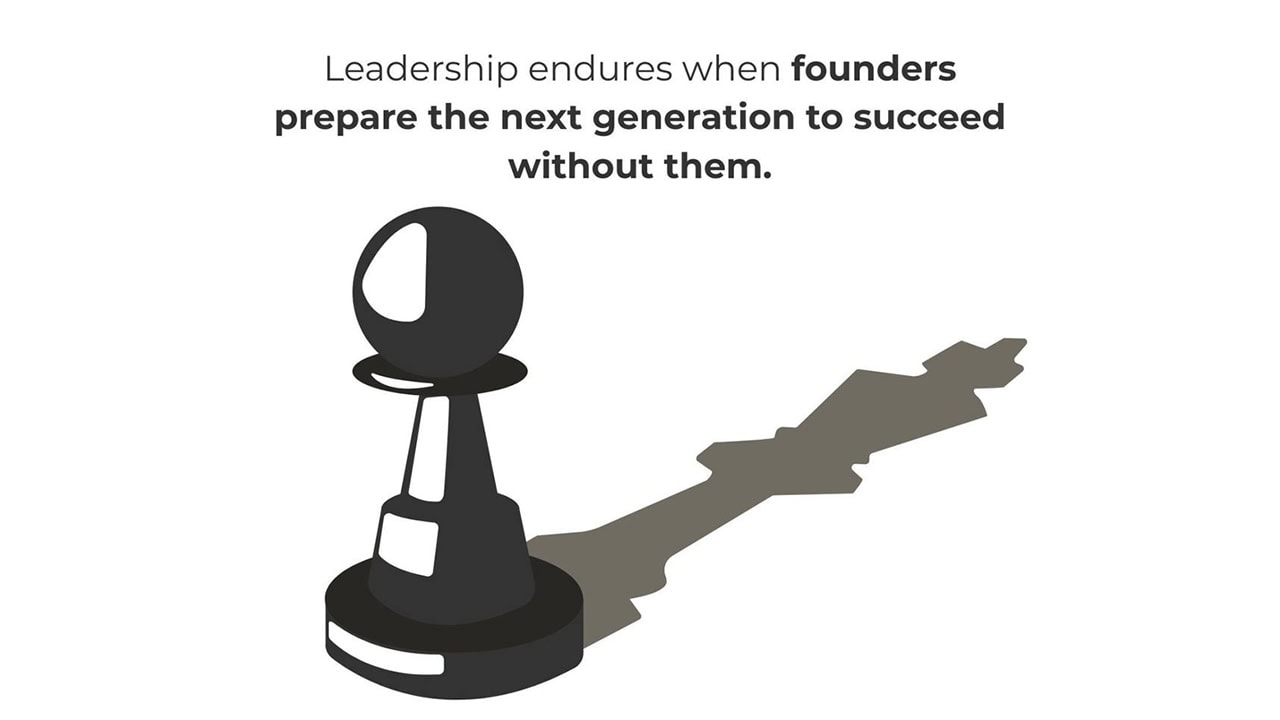
Part 3 of 3: On the hardest transition a founder will ever make — and why it is the most important. The greatest leaders in history share a quality that is easy to admire and very hard to practice: they understood that their most important job was to prepare the world to succeed without them. For a founder who has built a business from nothing, this is perhaps the most difficult truth to hold. You are the reason the business exists. Your instincts built it. Your relationships sustain it. Your authority holds it together. The idea that it must one day run without you — not just survive, but thrive — can feel like a loss before it has even happened. And yet this is the final and most profound act of leadership available to you. It is called stewardship. And it begins with a shift in how you see yourself — not as the owner of a business, but as the guardian of a legacy that will outlive you. The Shift from Ownership to Stewardship Ownership is about control. The owner decides. The owner approves. The owner is the final word. This is appropriate — even necessary — in the founding years. It is how great businesses get built. But stewardship is about something larger. The steward asks not “What do I want?” but “What does the family need?” Not “Who do I trust?” but “Who is the right person for this role?” Not “How do I maintain control?” but “How do I build a system that does not need me to control it?” This shift is not a single moment. It is a process — sometimes slow, sometimes uncomfortable, always worthwhile. And it must begin before the founder has no choice. Succession that is forced by health or circumstance is succession under pressure. Succession that is planned, discussed, and prepared over time is succession as a gift. “The true measure of a leader is not what they built. It is what continues to be built after they step back”. What Succession Really Means Many founders hear the word “succession” and think it means choosing which child gets the business. This is understandable, but it is only a small part of the picture. True succession planning is about far more. It is about preparing the next generation — not just picking from among them. It means identifying the skills and character required to lead the business into the future, and then honestly assessing which family members have those qualities — and which ones can develop them with the right mentorship and time. It means being willing to have the conversation that the eldest child may not be the right CEO — and that this does not diminish them as a person or as a beloved member of the family. It means understanding that leadership is a calling, not an inheritance. It also means asking the children what they actually want. Some will surprise you. A child you assumed would take over may have been quietly longing for a different life. A child you overlooked may have been waiting for permission to step forward. Succession planning creates the space for these truths to emerge — gently, without crisis, while the founders are still present to guide the conversation. Preparing the Next Generation The next generation carries a burden that the founding generation rarely fully appreciates. They did not choose to be born into this family and this business. They grew up in the shadow of a founder whose achievements are extraordinary. Many of them have spent their careers quietly wondering whether they are good enough — not because they are not capable, but because the founder’s standard is simply so high. One of the greatest gifts a founder can give their children is clarity about expectations, honesty about their strengths and genuine investment in their development — not because they are family, but because they are the future of the business. This means real mentorship, not just inclusion. It means delegating meaningful responsibility and accepting that mistakes will happen — and that mistakes are how leaders are made. It means stepping back from decisions that the next generation should be making, even when it is difficult to watch them do it differently than you would. It means trusting the process you started when you decided to build something that would outlast you. The Legacy That Matters Most Ask any founder, in their most honest moments, what they hope for their family after they are gone. Very rarely do they say “I hope they are rich”. Almost universally, they say some version of the same thing: “I hope they still love each other. I hope they stay together. I hope they take care of one another”. This is the legacy that matters most. Not the assets. Not the revenue. Not the brand. The family. Family governance — the councils, the constitutions, the boards, the honest conversations about roles and succession — is not about bureaucracy. It is about protecting the most precious thing a founder ever created: a family that trusts each other enough to build together. The founder who builds this — who has the courage to plan for their own absence, who invests in the next generation’s readiness, who creates the structures that will carry the family forward — is not diminishing their legacy. They are completing it. That is what stewardship looks like. And it is the most important work you will ever do. Author’s Note Prof Enrique M. Soriano serves as a Mentor at the Singapore Institute of Directors Board Readiness Program, where he contributes to the development of current and aspiring directors in corporate governance, board effectiveness, and strategic oversight. He advises multi-generational family enterprises and boards across Asia, advocating for merit-based board composition and principled stewardship to ensure long-term sustainability. This is the final installment in an ongoing column on Family Governance. It explores key topics such as the Family Council, the Family Constitution, succession planning, conflict resolution, and family employment policies. Prof Enrique M. Soriano serves as a Mentor at the Singapore Institute of Directors Board Readiness Programme. The views and opinions expressed are his own.
多角的分析
カンボジア経済の発展は、多くの場合、創業者の情熱とリーダーシップに依存している。事業承継が円滑に進まない場合、企業の成長鈍化や投資意欲の減退を招き、経済全体の活力を削ぐ可能性がある。特に、次世代が経営能力に欠ける場合、企業の競争力が低下し、雇用創出や経済成長への貢献が期待できなくなるリスクがある。
投資家にとって、事業承継は重要なリスク要因である。創業者のカリスマ性に依存する企業では、承継プロセスが不透明であったり、後継者の能力が疑問視されたりすると、投資回収の見通しが悪化する。カンボジアの企業がグローバルな投資を呼び込むためには、透明性のある、計画的な事業承継体制の構築が不可欠となる。
カンボジアでは、家族経営が経済の根幹をなしている場合が多い。事業承継は、単に経営権の移動にとどまらず、家族間の関係性や、地域社会における企業の役割にも影響を与える。後継者育成が不十分な場合、地域経済の停滞や、家族内の対立が社会的な摩擦を生む可能性がある。創業者の「守護者」としての意識は、家族の絆と地域社会の安定に不可欠である。
カンボジアの市民、特に家族経営に従事する人々にとって、事業承継は生活の安定に直結する問題である。円滑な承継が行われれば、雇用の継続や事業の発展が期待できるが、不確かな承継は、職を失う不安や、家族間の軋轢を招く可能性がある。創業者の「守護者」としての役割は、従業員とその家族の生活を守る責任でもある。
背景・歴史的文脈
カンボジアでは、独立後の経済発展において、多くの企業が創業者個人のリーダーシップとネットワークに依存して成長してきた。特に、ポル・ポト政権崩壊後の混乱期を経て、ゼロから事業を立ち上げた世代は、強い愛着と所有欲を持つ傾向がある。このため、事業承継は単なる経営権の移譲ではなく、創業者自身のアイデンティティや人生そのものに関わるデリケートな問題となっている。近年の経済成長に伴い、次世代への円滑な事業承継が、企業の持続的成長とカンボジア経済の安定化にとって喫緊の課題として認識され始めている。
原文ソース
Phnom Penh Post