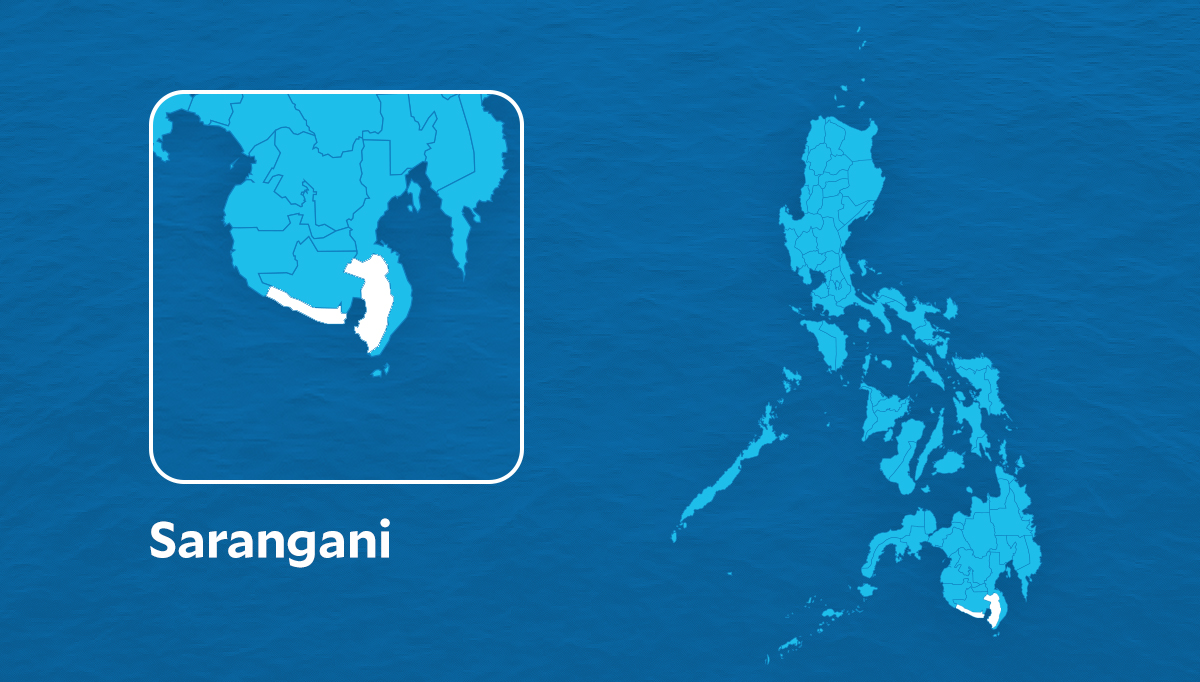
Sarangani Extends Class, Government Work Suspensions Due to Earthquake Aftershocks
Sarangani province in the Philippines has extended the suspension of face-to-face classes and provincial government work until July 15 due to ongoing seismic activity and the need for structural safety assessments. This follows a magnitude 6.6 earthquake on June 26 and subsequent aftershocks.
This article requires PRO
This article is outside the free access window or is a special report. PRO unlocks it and the full archive.
Related articles
- Philippines, ILO Finalize 5-Year Migration Workplan
The Philippines' Department of Migrant Workers (DMW) has finalized a five-year labor migration program with the International Labour Organization (ILO), the TRIANGLE Partnerships 2026-2027 Workplan, aiming to enhance support for Filipino migrant workers and their families.
- Rights advocate slams defense warning in Sara Duterte trial
A human rights advocate has denounced the defense panel in Vice President Sara Duterte's impeachment trial for its warnings of criminal liability, labeling it an "assault on press freedom." This highlights concerns over freedom of expression and judicial transparency in the Philippines.
- El Niño Triggers State of Calamity in 106 Philippine Areas, Affecting Over 388,000
El Niño has prompted a state of calamity in 106 cities and municipalities across the Philippines, impacting over 388,000 people. Cagayan province is severely affected with 66 areas declared under calamity, raising concerns for agriculture and water resources.
- Kalibo Diocese Expresses Concern Over Boracay Casino Opening
The Diocese of Kalibo has reiterated its consistent opposition to gambling and expressed deep concern over the recent opening and operation of a casino in Boracay. The diocese urges authorities to consider the impact on human dignity, families, and community welfare beyond economic benefits.