Singapore Emerges as Shadow Hub for $1.6 Billion in Russian Oil Trade
Singapore has become a key trading hub for Russian oil, circumventing Western sanctions. A shadow trade, funneling oil through Indonesia's Karimun island, blending it, and re-exporting it as "Indonesian" to Asian markets, has surged to $1.6 billion.
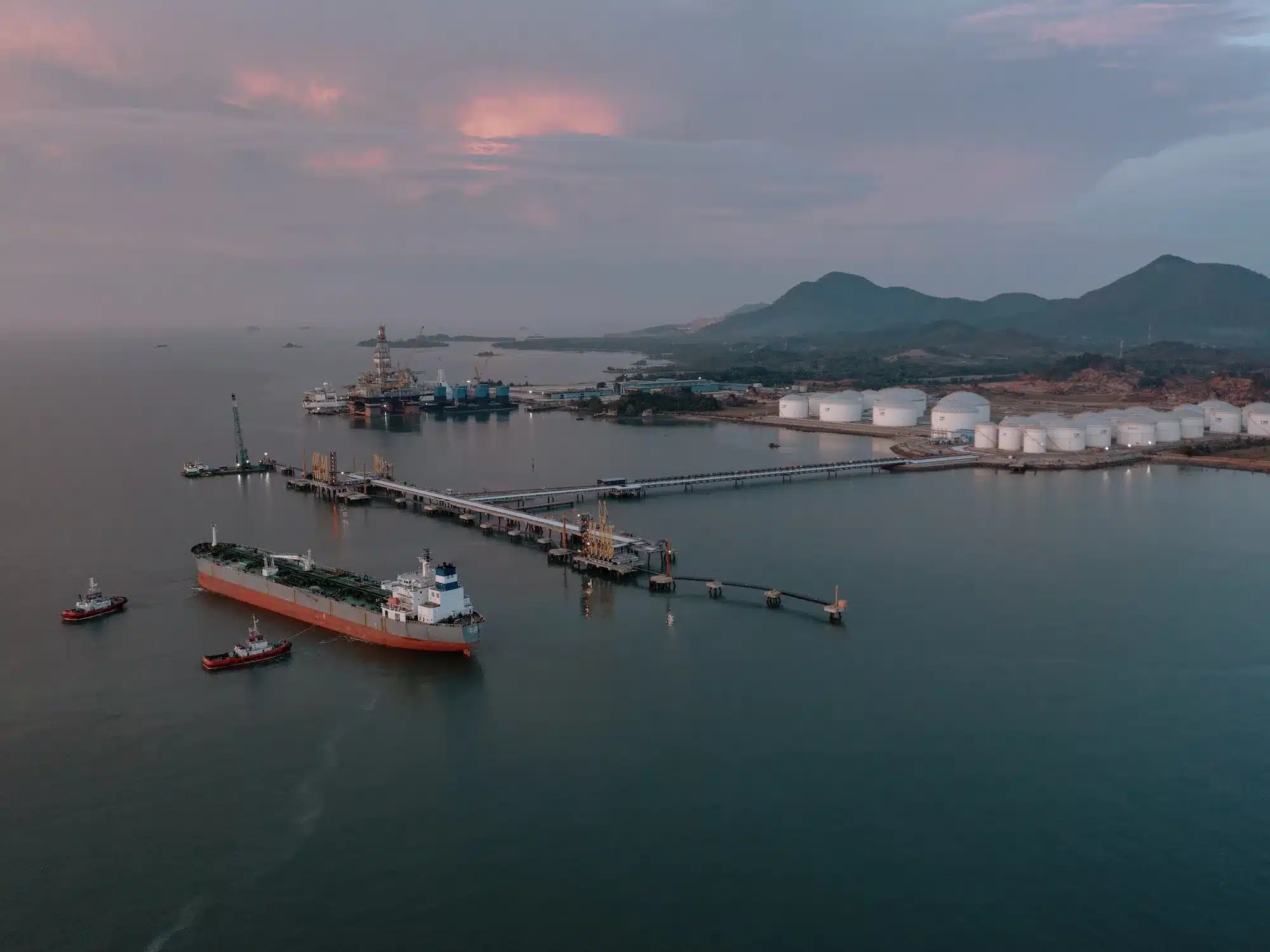
Singapore has rapidly emerged as Asia’s shadow hub for Russian oil, circumventing Western sanctions designed to block Moscow's energy exports. A significant shadow trade has materialized, largely flowing through Indonesia’s Karimun island, located just 23 miles southwest of Singapore. This vital stepping stone for Moscow's sanctioned energy products has seen at least $1.6 billion worth of Russian diesel, fuel oil, and other supplies channeled through it over the past year. Karimun island sits conveniently within a designated free trade zone, placing it largely beyond the reach of local Indonesian customs authorities and its lack of strict oversight makes it an ideal spot for this highly secretive trade. Ships loaded with Russian oil now arrive regularly at the island’s terminal. Data cited by Reuters indicates a dramatic surge in imports of these sanctioned products over the past year. Traders utilize this secluded location to store massive cargoes before moving them to their final buyers. The true trick happens during the complex transshipment process at the port, where workers blend imported Russian fuel with petroleum products sourced from other nations. This deliberate mixing process completely obscures the fuel’s true origins from international watchdogs. Once blended, the new mixture is rebranded as Indonesian oil. This simple paperwork change allows traders to bypass Western sanctions almost entirely. The freshly rebranded oil is then shipped directly to regional economic powerhouses across Asia. Singapore, as the world’s top ship refueling port, demands vast amounts of fuel oil constantly and heavily relies on these rebranded imports to meet its massive daily energy needs. Reports indicate that Russian shipments have helped Singapore offset lost Middle Eastern cargoes, allowing traders to purchase the blended fuel legally under current price cap rules and enjoy massive profit margins. Recent figures reveal that over 590,000 tons of Russian fuel oil passed through Karimun recently, a massive five-fold increase compared to the same period last year. Additionally, about 217,000 tons of Russian diesel were received at the Karimun terminal this year, a sharp jump from zero diesel imports the previous year. Even vessels previously sanctioned by the European Union and the UK have recently docked at the port. While the European Union and the United States continue to try and close these regulatory loopholes, the shadow fleet of oil tankers keeps finding new ways to operate freely. Intermediary companies involved in this trade frequently change their official names and registration details, making tracking the true owners almost impossible. The blending process ensures that Russian oil keeps flowing into Asia without major disruptions. For now, the Karimun to Singapore pipeline remains wide open for business. As long as global oil demand stays high, these alternative shipping routes will likely thrive. Oil traders will continue finding highly creative ways to supply affordable energy to hungry Asian markets. Moscow has successfully shifted its primary oil exports away from Europe and toward Asia, with the bustling shadow hubs in Southeast Asia proving that economic incentives often outsmart political sanctions. This serves as a stark reminder of how complex and highly interconnected the global energy market truly is. Source: Chiang Rai Times
多角的分析
欧米の制裁網を回避してロシア産原油がアジア市場に流入している現状は、グローバルなエネルギー市場の価格形成メカニズムと制裁の実効性に疑問を投げかける。シンガポールやインドネシアのカリムン島のような「影のハブ」の出現は、価格差を利用した裁定取引を誘発し、市場の歪みを増大させる可能性がある。また、ブレンドされた石油の品質管理や、最終的な消費地における環境規制への適合性なども、新たな経済的リスクとなり得る。
この影の取引は、短期的な高利益機会を提供する一方で、投資家には極めて高いリスクをもたらす。制裁回避行為は、法的なリスク、評判リスク、そして将来的な制裁強化による資産凍結リスクを伴う。しかし、価格差を利用した裁定取引や、制裁回避を前提としたサプライチェーン構築に特化した企業にとっては、新たな投資対象となり得る。ただし、これらの投資は、透明性の欠如と法的な不確実性から、極めて投機的な性質を持つ。
この影の取引は、タイを含むアジア諸国のエネルギー供給の安定性と価格に間接的な影響を与える可能性がある。しかし、より直接的には、制裁回避を可能にする法的な抜け穴や、それを悪用する行為が、国際的な規範や法の支配に対する信頼を揺るがす社会的な課題を提起している。また、このような取引に関わる労働者の安全や、環境への影響といった問題も、社会的な関心事となり得る。
タイ国民への直接的な影響は限定的かもしれないが、アジア全体のエネルギー市場の不安定化は、将来的な燃料価格の上昇や供給不安につながる可能性がある。また、国際社会における法の支配や倫理的な問題に対する認識が低下することは、社会全体の規範意識にも影響を与えかねない。特に、タイが観光立国であることを考慮すると、国際社会からの信頼失墜は、長期的な経済的・社会的な損失につながる恐れがある。
背景・歴史的文脈
ロシアによるウクライナ侵攻後、欧米各国はロシア産エネルギー製品に対して制裁を課し、その国際市場からの排除を目指した。特に、ロシア産原油の価格上限設定や、ロシア産エネルギーの輸入禁止措置が講じられた。しかし、ロシアは輸出先を欧州からアジアへとシフトさせ、価格上限を回避する手段を模索してきた。その中で、シンガポールやインドネシアのような、地理的に有利で、かつ規制が緩い地域が、制裁回避のための「影のハブ」として機能するようになった。これは、グローバルなエネルギー市場の複雑さと、経済的インセンティブが政治的制裁を凌駕する現実を示している。
原文ソース
Chiang Rai Times