Senate Weighs Subpoena for VP Duterte's Financial Records Amid Secrecy Law Debate
The Philippine Senate is deliberating on the authority to subpoena Vice President Sara Duterte-Carpio's financial records, with prosecutors arguing impeachment proceedings are an exception to secrecy laws. The defense disputes this, raising concerns about confidentiality. The ruling could set a precedent for future impeachment trials.
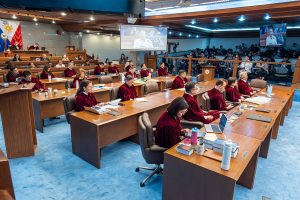
The Philippine Senate is currently weighing its authority to issue subpoenas for the financial records of Vice President Sara Duterte-Carpio, as prosecutors and the defense clash over the scope of secrecy laws. On the sixth day of the impeachment trial, prosecutors argued that the Constitution grants impeachment courts broad powers to pursue accountability, allowing them to subpoena bank records, tax documents, and Anti-Money Laundering Council (AMLC) reports if relevant to the charges. Prosecution spokesman Jose Manuel Tadeo “Chel” I. Diokno stated, "The defense may argue that this court has no power to examine VP Sara’s bank records, tax records and AMLC reports. That argument is not only legally flawed, it is an affront to the authority of this honorable court." He cited the Bank Secrecy Law, which recognizes impeachment as an exception to bank deposit confidentiality, and argued that the Data Privacy Act also permits the disclosure of personal information when covered by a duly issued subpoena. The defense, however, countered that the requested records remain protected under other laws. Defense lawyer Michael Wesley T. Poa said Section 8A of the Anti-Money Laundering Act bars the disclosure of AMLC information, adding that Congress could have expressly included impeachment as an exception if it intended to do so. He also objected to the request for the financial records of Ms. Duterte’s husband, Manases R. Carpio, noting he is not an impeachable public official. Presiding officer Senator Francis Joseph “Chiz” G. Escudero suspended proceedings to allow for closed-door deliberations among senator-judges. Upon resumption, Mr. Escudero announced that the senators had agreed to further study the issue and would issue a ruling on Monday. The motions include requests to subpoena bank records, AMLC reports, and Bureau of Internal Revenue (BIR) documents, along with the unsealing of tax records sought by the prosecution. These documents are intended to support the second article of impeachment, which alleges unexplained wealth, including the purported non-disclosure of statements of assets, liabilities, and net worth (SALN) from 2022 to 2025 and a significant increase in Ms. Duterte’s financial activity over several years. Lawmakers and political analysts suggest the court’s decision could shape the scope of future impeachment proceedings. La Union Rep. Francisco Paolo P. Ortega V questioned the defense’s opposition, asking, “If you have nothing to hide, why are you afraid of bank records?” Professor Cleve Kevin Robert V. Arguelles of De La Salle University noted that the ruling would determine how far an impeachment court could go in compelling the production of evidence to establish the truth. Professor Dennis C. Coronacion of the University of Santo Tomas described the subpoena issue as a "make-or-break point" that could decide the trial's outcome and affect future government investigations. University of the East political science professor Eric Daniel C. de Torres noted that the dispute resembles issues raised during past impeachment trials, stating, "Senator-judges would have to balance legal questions with the political nature of impeachment. What would actually prevail in this situation? The legal or the political?" Meanwhile, Malacañang stated that Vice President Duterte-Carpio’s remarks about an alleged assassination plot against President Ferdinand R. Marcos, Jr. should be treated as a national security issue rather than a simple case of grave threats, rejecting the defense’s argument that her statements were merely responses to questions. Palace Press Officer Clarissa A. Castro told reporters that the offense of grave threats is consummated once the threatened party becomes aware of the threat, regardless of intent. Ms. Duterte has denied plotting to kill the President and maintained that her remarks were taken out of context and did not constitute an actual threat.
多角的分析
副大統領の金融記録開示を巡る議論は、フィリピンにおける透明性と説明責任の原則が、既存の金融機密法とどのようにバランスを取るべきかという経済的・法的な課題を浮き彫りにしています。マネーロンダリング対策(AML)や税務コンプライアンスの強化は、国内外からの投資を呼び込む上で不可欠ですが、同時に、厳格な銀行秘密法は、金融システムの安定性とプライバシー保護の根幹をなしています。この裁判の結果は、今後、金融情報へのアクセスが、公的説明責任とプライバシー権のどちらに重きを置くかの基準を定める可能性があります。これは、フィリピンの金融市場の信頼性、ひいては国際的な金融取引におけるリスク評価に影響を与える可能性があります。
投資家にとって、この金融記録開示を巡る攻防は、フィリピンの法制度における透明性と予測可能性に関する懸念材料となり得ます。弾劾裁判における宣誓尋問の権限がどこまで及ぶのか、そして機密保持法がどのように解釈・適用されるのかが不透明であることは、投資判断におけるリスク要因となります。特に、副大統領やその関係者の資産状況に関する情報開示が、政治的な思惑によって左右される可能性があれば、法治主義への信頼が揺らぎ、直接的な投資意欲に影響を与える可能性があります。今後の上院の判断は、フィリピンのビジネス環境における法的な安定性を示す重要な指標となるでしょう。
この弾劾裁判における金融記録開示の争点は、フィリピン国民の公職者に対する信頼に直接関わる社会的な問題です。特に、説明不能な富の疑惑は、一般市民の生活実感との乖離を指摘する声につながりやすい。ラ・ウニオン州選出のオルテガ議員が「何も隠すことがないのであれば、なぜ銀行記録を恐れるのか?」と問いかけたように、多くの国民は、公職者の資産透明性を当然の権利と考えています。もし、機密保持法が、説明責任の追及を妨げる盾として利用されるとすれば、それは公務員に対する国民の信頼を大きく損なうことになります。この裁判の行方は、フィリピン社会における「クリーン・ガバナンス」への期待と現実の間の緊張関係を映し出すものと言えるでしょう。
国民の視点からは、この裁判は、自分たちの税金がどのように使われ、公職者がどのように富を築いているのかを知る権利と直結しています。副大統領の資産が増加しているという疑惑や、過去の巨額な金融取引の報告は、一般市民にとって「説明不能」と感じられる可能性が高いです。特に、物価高や経済的な困難に直面している多くのフィリピン人にとって、公職者の資産状況は、社会的な公平性や正義感に関わる重要な関心事です。もし、機密保持法が、こうした疑問に答えるための情報開示を妨げるのであれば、それは国民の政府に対する不信感を増幅させる可能性があります。
背景・歴史的文脈
フィリピンにおける弾劾手続きは、憲法で定められた公職者の説明責任を追及する重要なメカニズムです。過去にも、ジョセフ・エドゥアルド・エストラダ元大統領やレナト・C・コロナ元最高裁判所長官の弾劾裁判では、金融記録の開示を巡る争いが焦点となりました。特に、銀行秘密法(Republic Act No. 1405)は、銀行預金の機密性を保護していますが、不正行為の捜査や弾劾手続きなどの例外規定も存在します。近年では、データプライバシー法(Republic Act No. 10173)も施行され、個人情報の保護が強化されています。これらの法律の解釈と適用が、今回の副大統領の金融記録開示を巡る議論の根幹となっています。特に、副大統領の資産増加に関する疑惑は、国民の関心を集めやすく、過去の類似事例との比較も行われています。
原文ソース
BusinessWorld Nation