General articles are free for 24 hours after publish.
Japan-Korea: Working Together as Like-Minded Countries?
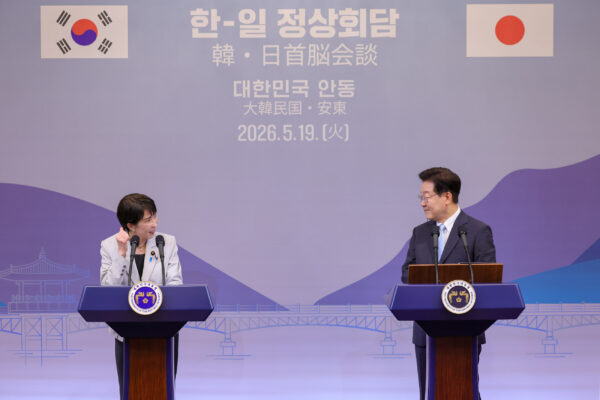
Japan and South Korea share a common threat perception regarding North Korea but differ on the approach to dialogue and relations with China. Their ability to truly cooperate as "like-minded countries" hinges on how effectively they manage these divergences.
Japan and South Korea find significant common ground for cooperation as "like-minded countries" concerning the "threat" posed by North Korea's growing nuclear and missile capabilities. Cooperation is also possible in countering cyberattacks and cryptocurrency theft, and security cooperation is increasingly vital given the deepening military relationship between Russia and North Korea. However, differences emerge when North Korea is viewed not as a "threat" but as a potential "negotiation partner." South Korea, considering its unique position as a divided nation, always keeps possibilities for peaceful coexistence and eventual reunification in view. Japan, by contrast, regards North Korea as a foreign country, with its policy heavily constrained by the abduction issue. Even with progress on nuclear and missile matters, Tokyo faces political impossibility in moving toward normalization without meaningful progress on abductions. Furthermore, the presence of China, North Korea's foremost economic partner, significantly influences the approach of both nations. Japan primarily perceives China as a long-term security threat, while South Korea views it as both a concern and an indispensable partner for managing the Korean Peninsula. This divergence in perceptions of China adds another layer of complexity to Japan-South Korea relations. It is precisely because of these differences that cooperation is necessary. It is crucial for both countries to understand each other's national interests and differing priorities, maintain close information sharing, and be fully informed about each other's non-negotiable points. The true measure of whether the "like-minded" label is fitting lies not in policy alignment, but in the capacity to manage these differences steadily and dexterously.
Original source
The Diplomat Indonesia