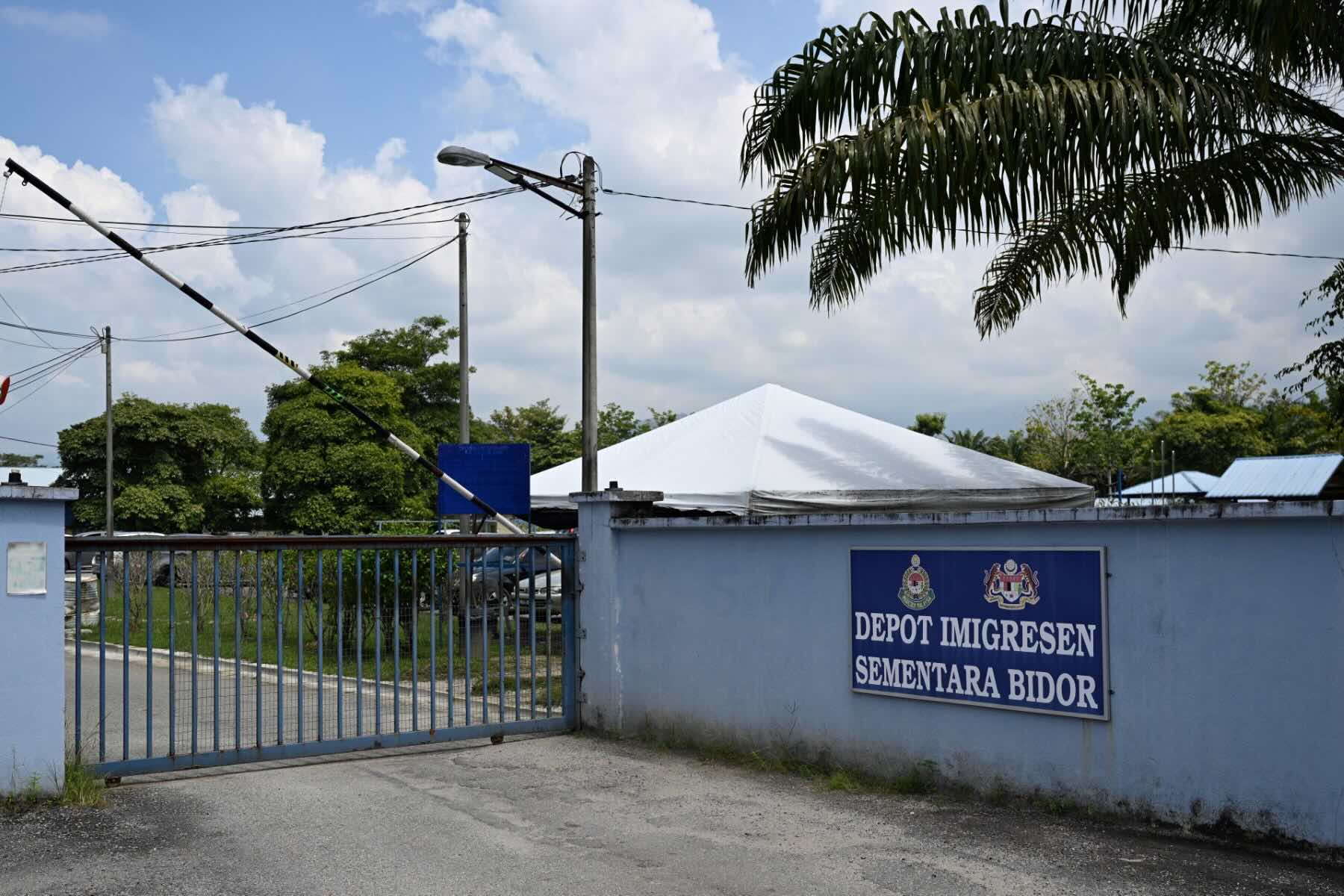
Malaysia says Myanmar to take back 5,000 Rohingya refugees
Myanmar has agreed to take back 5,000 Rohingya from Malaysia, Kuala Lumpur said on Wednesday, in a rare repatriation push announced days after Malaysian authorities had detained dozens of refugees. Malaysia hosts more than 215,000 refugees and asylum seekers registered with the UN refugee agency, including more than 126,000 members of Myanmar’s persecuted Rohingya minority, making them the country’s largest refugee community. “People ask why we do not simply send them back. Send them where? Myanmar had refused to accept them before,” Prime Minister Anwar Ibrahim said during a visit to a town east of the capital, according to local media. “Now, because of our good relations with Myanmar, they have agreed to take back 5,000 from Malaysia,” media outlets including the daily New Straits Times quoted Anwar as saying. His remarks come days after Malaysian authorities detained more than 100 Rohingya refugees outside a UN refugee agency facility in Kuala Lumpur. A Rohingya rights group in Malaysia said the group sought shelter after they were threatened with eviction from an informal settlement in northern Penang state. Officials later confirmed that the detainees had valid documentation issued by the UN High Commissioner for Refugees, Bernama news agency said. A senior police official said on Wednesday that the group had been released and sent to various locations around Malaysia, after undergoing final verification. Despite sheltering one of Southeast Asia’s biggest refugee populations, Malaysia is not a signatory to the 1951 Refugee Convention and does not formally recognise refugee status. AFP fact-checkers have found that Rohingya refugees in Malaysia have been targeted by online disinformation campaigns that rights advocates say are fuelling xenophobia and intimidation. Many of the Rohingya, a mostly Muslim group, escaped Myanmar during a brutal military crackdown in 2017. The campaign, which saw Rohingya villages burned and civilians killed, is the subject of a genocide case at the United Nations’ top court in The Hague. Myanmar’s leaders have previously insisted the Rohingya are ethnic descendants of immigrants from Bangladesh, and that their 2017 crackdown targeted a militant uprising. In 2025, we marked the 10th anniversary of Myanmar Now. In Myanmar’s history, journalists are often the first targets during political repression. We founded this outlet during a brief window of stability, starting with a small team in a modest office in downtown Yangon. Our goal was simple: to report on injustices that had been silenced for decades. In many countries, justice is sought through courts and police. In Myanmar, these institutions have historically been instruments of oppression. From the start, we committed to reporting without discrimination—regardless of ethnicity, religion, or citizenship. We believe our work should be accurate, deeply sourced, and strong enough to serve as a historical record. We also believe journalism should be a force for positive change, and that our primary readers should be the people of Myanmar. That belief came at a cost. Members of our team and others associated with Myanmar Now have endured long legal battles, physical assaults, arrests, and torture. Despite these hardships, Myanmar Now continues to report the news—thanks to the resilience of our team, the courage of our sources, and the trust of our readers.
This article requires PRO
This article is outside the free access window or is a special report. PRO unlocks it and the full archive.
Related articles
- Nine Rohingya missing after boat capsizes in Bangladesh
At least nine Rohingya were missing after a boat carrying them capsized in the Naf, a shared waterway between Bangladesh and Myanmar, police said Friday. The Rohingya were believed to be fleeing ongoing fighting in Myanm
- WPN expresses concern over the handover of over 300,000 Rohingya from Malaysia and Bangladesh to the military junta
July 31 Mizzima. The Women Peace Network (WPN) today (July 31) issued a statement expressing extreme concern over reports that over 300,000 Rohingya refugees residing in Malaysia and Bangladesh are to be handed over to t
- A Rohingya activist’s fight against misinformation and hate speech in Malaysia
When Pacifist Farooq fled the Myanmar military’s genocidal campaign in 2016, he hoped to find safety in Bangladesh. Years later, after surviving targeted violence in refugee camps, he sought sanctuary in Malaysia. Today,
- Malaysia says Myanmar to take 5,000 Rohingya refugees; Kim Aris warns ASEAN not to lend regime legitimacy
Malaysia says Myanmar to take 5,000 Rohingya refugees Malaysian Prime Minister Anwar Ibrahim said Myanmar has agreed to take 5,000 Rohingya from Burma currently living in Malaysia, where there has recently been hate spee