Indonesia Pushes for Inter-Ministry Data Integration with One Data Bill
Politics
2026年7月10日
4
Liputan6

Indonesia Pushes for Inter-Ministry Data Integration with One Data Bill

AI サマリー

Indonesia's Ministry of Home Affairs has expressed readiness to integrate its various information systems to support the implementation of the One Data Bill (RUU Satu Data Indonesia). This initiative aims to strengthen government-wide data connectivity, preventing duplication and gaps.

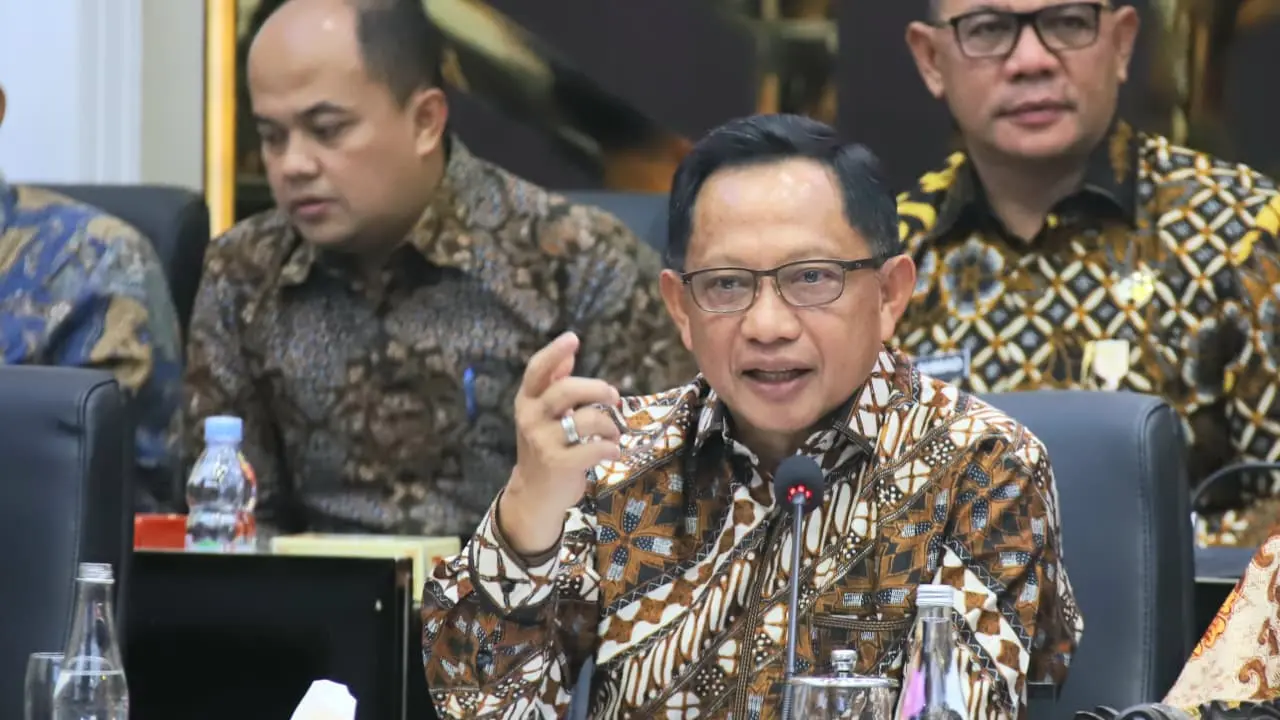
The Ministry of Home Affairs of Indonesia has announced its readiness to integrate its various information systems to support the implementation of the "One Data Indonesia Bill" (RUU Satu Data Indonesia), aiming to strengthen government-wide data connectivity. This was stated by Minister of Home Affairs Muhammad Tito Karnavian during a joint meeting with the Legislation Body of the House of Representatives (Baleg DPR RI) on Thursday, July 9, 2026. As a supervisor and overseer of regional governance, the Ministry of Home Affairs has developed and operated several digital information systems, including the "Civil Registration Information System" (SIAK), the "Regional Government Information System" (SIPD), the "Village Financial System" (Siskeudes), and the "Village and Urban Village Profile" (Prodeskel). The SIAK system, in particular, updates daily demographic data resulting from administrative events such as births, deaths, relocations, job changes, marriages, and divorces. Minister Tito explained that inter-ministerial data integration has already been ongoing through various forms of cooperation. Therefore, the Ministry of Home Affairs is prepared to officially connect all its existing systems to the "One Data Indonesia" platform. This initiative aims to prevent sectoral isolation, duplication, or information gaps. Furthermore, Minister Tito emphasized the critical importance of information technology infrastructure readiness for the implementation of the One Data Indonesia system. He highlighted the need to strengthen data storage capacity, bandwidth, and cybersecurity systems, warning that inadequate protection could lead to the leakage of sensitive public data, posing legal risks. The joint meeting was attended by the Chairperson of the Legislation Body of the House of Representatives, Bob Hasan, the Minister of National Development Planning/Head of Bappenas, Rachmat Pambudy, the Minister of Villages, Development of Disadvantaged Regions, and Transmigration, Yandri Susanto, as well as other relevant government officials. Source: Liputan6

多角的分析

経済的影響

インドネシア政府による統一データ法案の推進は、行政効率の向上とデータに基づいた政策決定を促進する経済的なインセンティブを持つ。各省庁のシステム統合は、重複投資の削減や、より正確な経済指標の収集・分析を可能にし、結果として資源配分の最適化や経済政策の効果を高めることが期待される。しかし、システム統合には多大な初期投資と継続的なメンテナンスコストがかかるため、その費用対効果は慎重に評価される必要がある。

投資家心理

統一データ法案の推進は、インドネシアにおけるデジタルインフラへの投資機会を創出する可能性がある。政府がサイバーセキュリティやデータストレージ容量の強化を重視していることから、関連技術を持つ企業にとってはビジネスチャンスとなりうる。一方で、データ統合の進捗やセキュリティ対策の有効性は、投資家にとって重要な監視ポイントとなる。データ漏洩などのセキュリティインシデントは、国内および国際的な信頼を損ない、投資環境に悪影響を与えるリスクも伴う。

社会的影響

統一データ法案は、国民の行政サービスへのアクセス向上に寄与する可能性がある。例えば、SIAKのようなシステムが統合されれば、国民は煩雑な手続きなしに、より迅速かつ正確な行政サービスを受けられるようになるかもしれない。しかし、データのプライバシーとセキュリティの確保は、国民の懸念事項となる。個人情報が政府の単一プラットフォームに集約されることで、データ漏洩や不正利用のリスクが増大する可能性があり、政府は国民の信頼を得るために、透明性の高いデータ管理体制と厳格なセキュリティ対策を講じる必要がある。また、地方やデジタルリテラシーの低い層への情報提供やアクセス支援も課題となる。

市民の声

国民にとって、統一データ法案は行政手続きの簡素化と迅速化という恩恵をもたらす可能性がある。例えば、各種証明書の発行や申請がオンラインで一元化されれば、時間と労力を大幅に節約できる。しかし、個人情報が政府のデータベースに集約されることへの不安も存在する。特に、過去のデータ漏洩事例などを踏まえ、自身の情報がどのように管理・保護されるのか、透明性のある説明と確実なセキュリティ対策が求められる。また、デジタルデバイドの問題から、高齢者や地方住民が情報へのアクセスやサービス利用から取り残されないような配慮も必要となる。

背景・歴史的文脈

インドネシアにおけるデータ管理の課題は、長年にわたり指摘されてきた。各省庁や地方自治体がそれぞれ独自のシステムを運用しており、データの重複、不整合、非効率な情報共有が常態化していた。これを改善するため、政府は2018年に「インドネシア統一データに関する大統領規則(Perpres No. 39/2019)」を制定し、データ共有の枠組みを設けた。今回の統一データ法案は、この大統領規則を法制化し、より強力な法的根拠を与えることで、データ統合を加速させることを目的としている。過去の行政改革の試みも、技術的・組織的な障壁に直面してきた経緯があり、今回の法案がその課題を克服できるかが焦点となる。

原文ソース

Liputan6

原文を読む