General articles are free for 24 hours after publish.
Indonesia's Dolphin Migration Routes Are Rich, But Population Data Remains Scarce
Indonesia's vast waters serve as crucial migration routes for diverse dolphin species, yet precise population data remains scarce. Conservation efforts for these marine mammals, indicators of ocean ecosystem health, require greater involvement from policymakers.
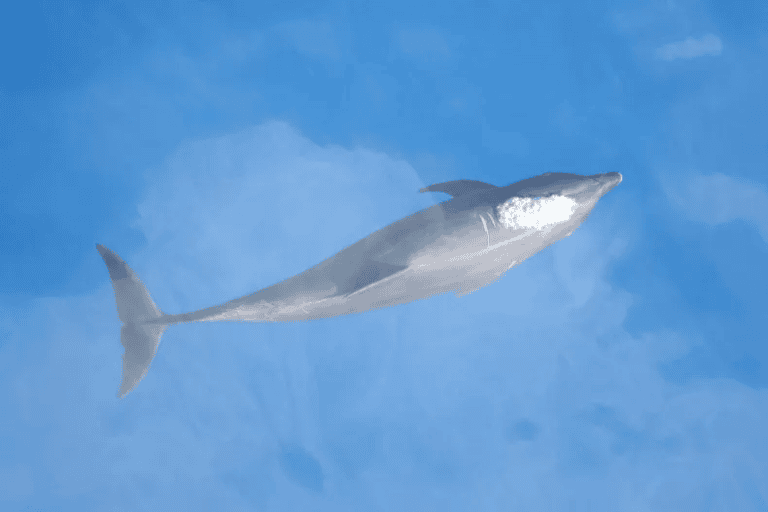
Indonesia's waters are home to 37 species of marine mammals, 17 of which are dolphins. These dolphins are crucial natural indicators of a healthy marine ecosystem. As a bridge between the Pacific and Indian Oceans, Indonesia's seas serve as vital migration routes for dolphins, with areas like the Banda Sea, Bali Strait, Lombok Strait, and Savu Sea being favored habitats and migratory paths. Dondy Arafat, a lecturer at IPB University's Department of Marine Science and Technology, explains that healthy waters attract dolphins for residency or transit. However, their presence can also heighten risks and threats in surrounding areas. Dolphins are capable of long-distance travel and can find new habitats in different oceans. The threats they face are borderless and can occur anytime, anywhere, including accidental entanglement in fishing nets leading to death, plastic pollution, noise from ships disrupting communication and echolocation, destruction of coastal habitats, and exploitation for tourism. These issues can lead to dolphin strandings, increasing their mortality risk. Protecting dolphin habitats and migratory routes requires special attention from policymakers, such as the Indonesian government. Dolphins, as part of the Cetacea megafauna, have population numbers that remain a mystery. While specialized institutions have been established for other animal species, the protection of marine megafauna is an urgent matter. Conservation and protection efforts for dolphins in Indonesia also face the challenge of scarce data. This situation hinders the development and implementation of effective conservation strategies. There is an urgent need to collect comprehensive data on dolphin populations, migration patterns, and the threats they face.
Original source
Mongabay Indonesia