General articles are free for 24 hours after publish.
Arsenic Contamination Worsens in Northern Thai Rivers, Threatening Health and Livelihoods
Recent water tests in Thailand's northern Kok and Sai rivers reveal arsenic levels far exceeding safe limits, posing a severe environmental crisis. This contamination gravely threatens local communities' health and traditional livelihoods.
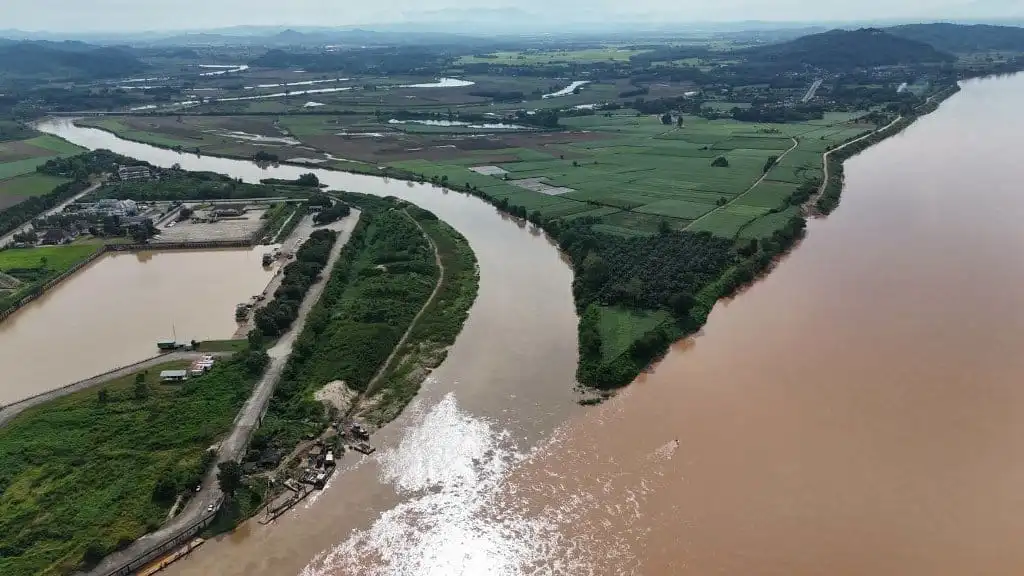
Northern Thailand's vital Kok and Sai rivers are grappling with a severe environmental crisis, as recent water tests have confirmed dangerously high levels of arsenic. The Pollution Control Department's latest update, released on September 19, revealed that arsenic concentrations at 22 monitoring points across the region's waterways far exceed national safe limits. This extensive contamination poses a significant health risk to local communities. Arsenic, a highly toxic heavy metal, presents a long-term threat to human life. Upstream industrial mining operations are frequently identified as a major source of this dangerous toxic runoff, with contaminated wastewater flowing directly into the rivers. Water quality reports indicate that the pollution problem is worsening over time. These rivers are essential lifelines for countless residents in the northern region. Local farmers depend on them for irrigating crops, and fishermen rely on them for their livelihoods and to feed their families. The persistently high arsenic levels threaten to dismantle these traditional, generations-old ways of life. Government officials are urgently warning residents to avoid using raw river water for drinking or cooking. They emphasize that boiling river water does not remove arsenic and advise the public to rely on properly treated tap water or bottled water for safety. Long-term exposure to arsenic can lead to severe and permanent health issues, including skin damage, heart disease, and various types of cancer. Medical experts warn that children and the elderly are particularly vulnerable, and the most severe symptoms may not appear for several years. Local environmental advocacy groups are demanding stronger government action, calling for stricter regulations on industries that dump chemical waste into the rivers. They also stress the necessity of urgent collaborative talks with neighboring countries to address this cross-border pollution. The Pollution Control Department has pledged to continue regular water testing at designated checkpoints to monitor changes in pollution levels. However, effectively cleaning up the rivers will require substantial time, effort, and funding. The environmental damage already inflicted upon the local ecosystem is deeply concerning. As long as the exact source of chemical contamination remains unaddressed, the serious health danger persists. Local communities must remain informed and adhere to safety warnings from public health officials, recognizing that protecting their water resources is crucial for safeguarding their shared future. Source: Chiang Rai Times
Original source
Chiang Rai Times