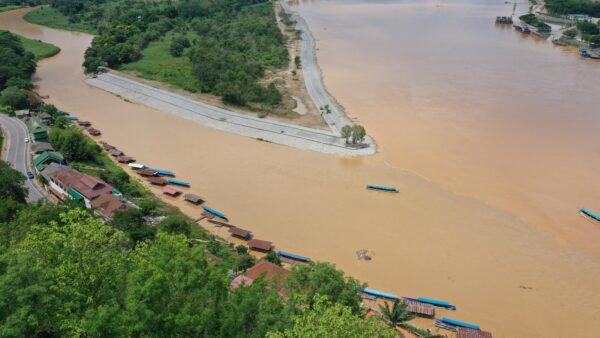
Myanmar Mining Pollution Raises Concerns Over Mekong River Downstream Impact
Environment
2026年6月30日
5
The Diplomat Indonesia
Relations
🇮🇩Indonesia🇲🇲Myanmar🇹🇭Thailand🇨🇳China

Myanmar Mining Pollution Raises Concerns Over Mekong River Downstream Impact

AI サマリー

Pollution from rare earth and gold mining in Myanmar is severely impacting the Mekong River basin. Thai environmentalists and scientists warn of risks from toxins like arsenic entering the food chain, potentially causing health issues across the region. While international cooperation is deemed essential, current responses remain limited.

The proliferation of unregulated rare earth and gold mining in Myanmar's Shan State is causing severe environmental pollution, with toxins spreading along rivers flowing into northern Thailand and thence into the mainstream Mekong River. Scientists warn that dangerous levels of arsenic, lead, and mercury have been detected not only in the river water but also in high concentrations in riverbed sediment. They caution that this could have devastating consequences for the health of regional communities by entering the food chain. In Thailand, environmental groups like Rivers and Rights have spearheaded a six-day peace march coinciding with World Environment Day, aiming to raise awareness about the worsening river pollution crisis. Participants are strongly urging a comprehensive and prompt governmental response, including diplomatic approaches towards Myanmar, the source of the pollution. However, the Thai government's response has faced criticism for its perceived passivity. Environmental scientist Dr. Suebsakun points out that the Thai authorities' response is "very weak and lacking in transparency." He argues that, given Thailand's position as a food exporter, its food and rice exports should be protected from heavy metal contamination. Thailand's Pollution Control Department (PCD) is seeking emergency funding to install automated monitoring stations along the rivers, pending approval from the Prime Minister. The Mekong River Commission (MRC), based on limited testing in Laos, has concluded that arsenic contamination "remains localized but requires sustained attention due to its persistence in both water and sediment." However, Thai scientists are disappointed that the report does not adequately address the broader regional implications of sediment contamination and its likely circulation within the food chain. This issue is a transboundary challenge that cannot be resolved without cooperation among Mekong River basin countries. Concerns are also rising about pollution spreading to areas like Cambodia, which harbors the Mekong's rich biodiversity, making regional action an urgent necessity.

多角的分析

経済的影響

ミャンマーでの鉱山開発による汚染は、メコン川流域の漁業や農業、そして飲料水供給に直接的な経済的打撃を与えている。特に、汚染物質が食物連鎖を通じて蓄積・増幅されるリスクは、地域経済の根幹を揺るがす。タイが「世界の台所」として食料輸出を推進する中で、食品の安全性への懸念は国際市場における信頼性を損ない、輸出産業に悪影響を及ぼす可能性がある。環境対策への投資不足は、長期的に見て経済的損失を増大させる要因となる。

投資家心理

レアアースや金鉱山開発が unregulated に行われている現状は、投資家にとって大きなリスク要因となる。環境汚染による地域社会からの反発や、将来的な規制強化による操業停止リスク、そして風評被害によるブランド価値の低下などが懸念される。特に、メコン川流域のインフラや関連産業への投資は、環境リスクを慎重に評価する必要がある。ESG投資の観点からも、環境負荷の高い事業への資金流入は抑制される傾向にある。

社会的影響

タイ北部のコック川沿岸地域では、住民が飲料水、漁業、農業、交通手段として河川に依存しており、汚染は彼らの生活基盤そのものを脅かしている。汚染物質が人体に蓄積し、がんなどの長期的な健康被害を引き起こす可能性は、地域住民の生活の質を著しく低下させる。また、政府の対応の遅れや透明性の欠如は、住民の不信感を増幅させ、社会的な緊張を高める要因となりうる。例えば、チエンマイ大学のワン博士が独立した水質モニタリングを行ったことは、公式発表への疑問を提起し、住民の不安を煽る結果にもなりかねない。

市民の声

タイ北部のコック川沿岸地域に住む住民は、日常的に使用する河川の水質悪化に直面している。これまで飲料水や漁業、農業に頼ってきた生活が脅かされ、健康への不安を抱えている。特に、汚染物質が食物連鎖に入り込んでいるという科学的知見は、食料の安全性に対する深刻な懸念を生じさせている。政府の対応の遅れや、大臣クラスの会合への不参加は、住民の間に「自分たちの声は届いていない」という無力感や不満を広げている。

背景・歴史的文脈

メコン川流域では、経済発展の追求と環境保護のバランスが長年の課題となっている。特に、ミャンマーのような国では、国内の政治的・経済的状況から、鉱山開発に対する規制が緩く、環境への配慮が後回しにされがちである。過去にも、中国からのダム建設による下流への影響や、工業排水による汚染が問題視されてきた。今回のレアアース・金鉱山からの汚染は、これらの問題に新たな次元を加えるものであり、国境を越えた協力体制の構築の必要性を浮き彫りにしている。タイ政府の対応の遅れは、過去の類似事例における政治的優先順位や、地域協力への消極的な姿勢が背景にあると考えられる。

原文ソース

The Diplomat Indonesia

原文を読む