Vietnam Eyes Enhanced Governance with New Administrative System
Politics
2026年7月1日
3
VietnamPlus English

Vietnam Eyes Enhanced Governance with New Administrative System

AI サマリー

Vietnam held a national conference to review one year of its new administrative system, aiming to enhance governance capacity. The meeting focused on the operation of the three-tier government model and charted future reform directions.

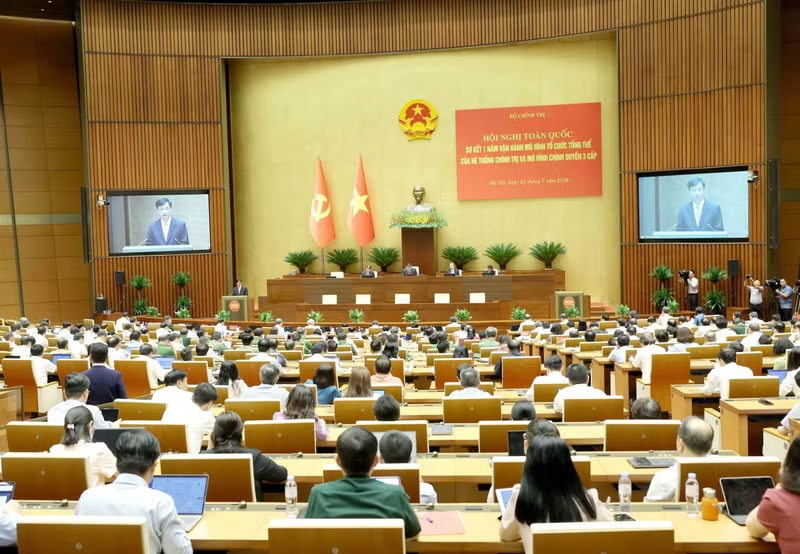
A national conference was held in person at the National Assembly's headquarters in Hanoi on July 1 and connected online to 3,651 locations nationwide to review one year of the operation of the political system's overall organisational model and the three-tier government model, with the aim of enhancing governance capacity. The conference comprehensively evaluated the current state of the local administrative model, which features a three-tier structure comprising central government, provincial level, and district/city/town level, to verify its effectiveness and challenges. The Communist Party of Vietnam has been promoting reforms to this administrative system, aiming for greater efficiency and improved public services. In particular, strengthening decision-making authority at the local level and clarifying the accompanying accountability system are being emphasized. Discussions at the conference also covered how this new administrative system contributes to mobilizing development resources and revitalizing regional economies. Some assessments indicated that the introduction of the two-tier local administration model has facilitated the utilization of development resources. Under Vietnam's one-party system, the Communist Party leads the design and operation of the administrative system, and enhancing governance capacity is considered a crucial task for maintaining national stability and economic growth. Especially in response to complex relations with China and socio-economic challenges arising from rapid economic growth, a more agile and efficient governance structure is being sought. The discussions at this conference are expected to provide important insights for determining the future direction of administrative reforms. Further improvements are anticipated regarding aspects that directly impact citizens' lives, such as faster administrative services and increased public participation in local development.

多角的分析

経済的影響

ベトナムの三層型政府モデルの運用1年を経ての全国会議は、経済成長を維持・加速させるための統治能力強化という経済的課題に直結する。地方分権化と意思決定の迅速化は、投資環境の改善や、地域経済の特性に応じた開発資源の効率的な活用を促進する可能性がある。しかし、権限移譲に伴う地方政府の能力不足や、中央政府との連携不足が、経済成長のボトルネックとなるリスクも存在する。過去の経済改革(ドイモイ政策以降)でも、中央集権と地方分権のバランス調整が常に課題であり、今回の行政システム改革もその延長線上にあると言える。

投資家心理

新たな行政システムが統治能力を向上させ、より迅速で効率的な意思決定を可能にすることは、国内外の投資家にとって朗報となりうる。特に、地方レベルでの権限強化は、プロジェクトの許認可プロセスを簡素化し、投資決定までの時間を短縮する可能性がある。しかし、改革の具体的な進捗や、地方政府の能力、汚職のリスクなど、不確実性も依然として存在する。過去、ベトナムへの投資は、官僚主義や法制度の不確実性によって阻害されるケースがあり、今回の改革がこれらの懸念を払拭できるかが注目される。

社会的影響

三層型政府モデルの改革は、行政サービスの質とスピードに直接影響を与える。国民は、より迅速で効率的な行政手続き、そして地域の実情に即した政策決定を期待するだろう。特に、地方分権化が進めば、地域住民の声が政策に反映されやすくなる可能性がある。一方で、地方政府の能力向上や、権限移譲に伴う説明責任の確保が課題となる。ハノイやホーチミン市といった大都市だけでなく、地方の県や町レベルでの具体的な変化が、国民生活の向上にどれだけ繋がるかが問われている。例えば、土地利用許可や建設許可などの手続きが迅速化されれば、市民の生活や事業活動に大きな恩恵をもたらす。

市民の声

今回の行政システム改革は、地方レベルでの意思決定権限の強化を柱としている。これは、地域住民が直面する問題、例えばインフラ整備、教育、医療サービスなどにおいて、より迅速かつ地域の実情に合った対応が期待できることを意味する。しかし、権限が移譲される地方政府の担当者が、その権限を適切に行使できるだけの知識や能力を持っているか、また、透明性を持って業務を遂行できるかが重要となる。過去、地方の行政手続きの遅延や不透明さが、市民の不満の原因となることもあったため、今回の改革が真に市民の利便性向上に繋がるかが注視される。

背景・歴史的文脈

ベトナムの行政システム改革は、1986年のドイモイ(刷新)政策以降、経済発展と社会の近代化を目指す中で継続的に行われてきた。特に、中央集権的な統治構造から、より効率的で国民のニーズに応えられるシステムへの移行は、党の正統性を維持し、急速な経済成長の恩恵を国民全体に広げるための重要な課題とされてきた。三層型政府モデルは、中央、省、そして地方(県・市・町)の三段階で行政を担う構造であり、地方分権化と権限移譲を進めることで、行政の迅速化と地域の実情に即した政策決定を目指している。しかし、権限移譲に伴う地方政府の能力向上、汚職防止、そして中央政府との連携強化など、多くの課題も抱えている。

原文ソース

VietnamPlus English

原文を読む