General articles are free for 24 hours after publish.
Mae Sai Border Remains Restricted for Foreign Tourists as of September 2026
As of September 2026, the Mae Sai border crossing between Thailand and Myanmar is not considered a normally open tourist border for foreign nationals. While Thai and Myanmar nationals may still cross under limited conditions, these arrangements are subject to change with little notice.
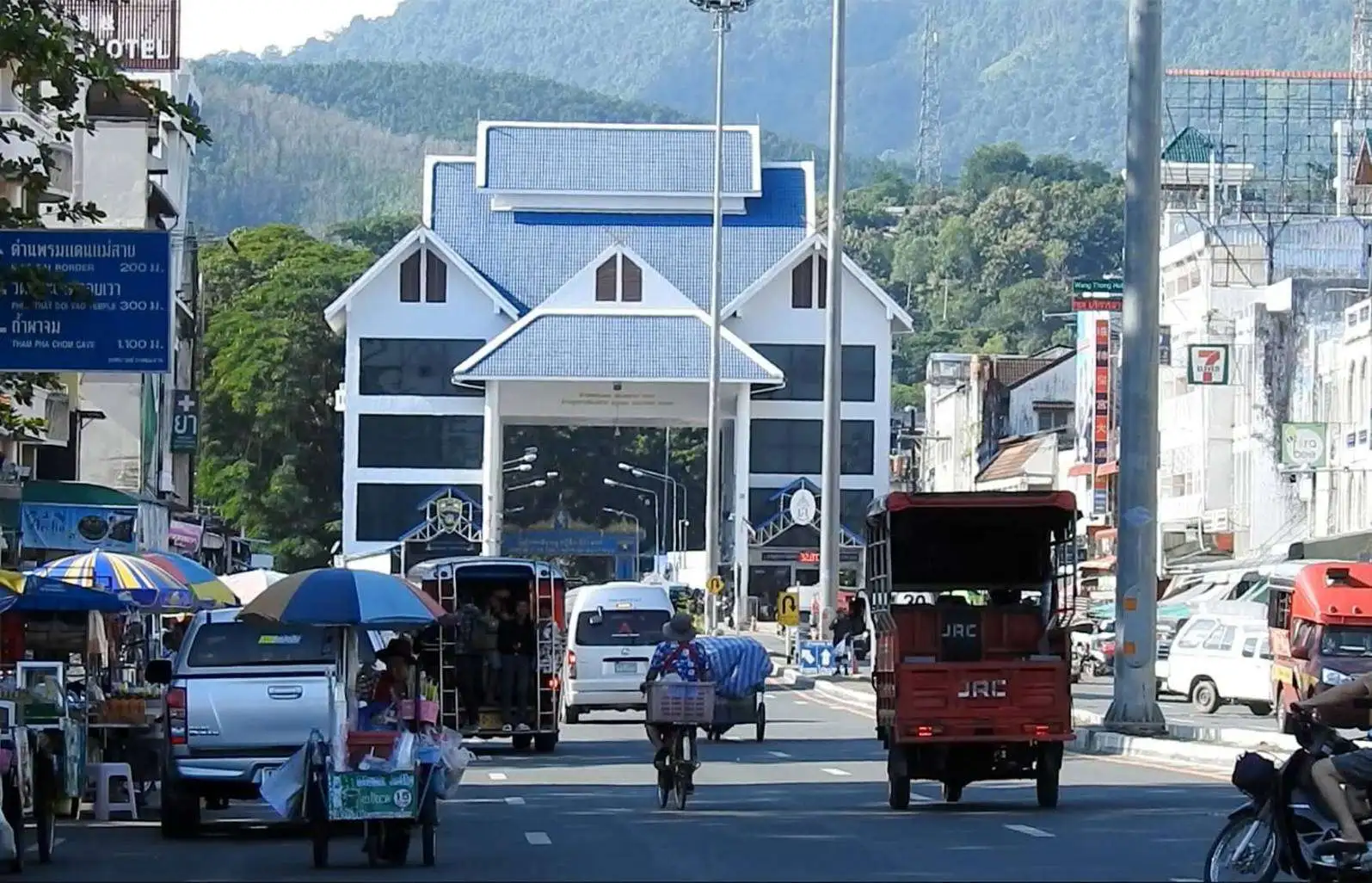
CHIANG RAI – As of September 2026, the Mae Sai to Tachileik crossing should not be treated as a normally open tourist border. Foreign passport holders generally can’t use it for independent sightseeing or visa runs, while Thai nationals and Myanmar nationals may still cross under limited border-pass, ID, or visa arrangements that can change with little notice. If you’re planning to leave Chiang Rai, don’t rely on older reports about the 2023 reopening, historical fees, or past opening hours. This guide explains the latest restrictions, documents, fees, hours, safety concerns, and the checks you should make before departure, including the practical advice in this Mae Sai-Tachileik border crossing guide. As of September 2026, the First Thai-Myanmar Friendship Bridge, also called Bridge No. 1, is reported as restricted or closed to foreign tourists. Thai nationals and eligible Myanmar nationals may still cross under local border-document rules, but the crossing isn’t operating as a normal walk-in tourist route. Foreign passport holders should assume that access is unavailable unless officials confirm otherwise for their specific case. Current travel coverage continues to report that tourists can’t make an ordinary independent day trip from Mae Sai to Tachileik, and border-run services remain suspended or restricted. A 2026 Mae Sai border update also describes the crossing as closed to foreign nationals. Officials may refuse entry, limit movement, or change enforcement without notice. A passport, Thai visa, or previous experience at the checkpoint doesn’t guarantee permission today. The bridge’s reopening on February 20, 2023 covered earlier border arrangements, not automatic tourist access in 2026. Travelers should also remember that permission to enter Tachileik wouldn’t necessarily allow onward travel through Myanmar. Local security conditions, permits, and destination limits can apply after immigration clearance. For broader context, review these Mae Sai border rules for foreign tourists before traveling. Thai nationals may be allowed to cross with a passport, border pass, or temporary border pass. Reports describe temporary passes for short visits, but the issuing office, validity period, and permitted area can vary. Possessing a pass doesn’t guarantee entry if checkpoint instructions change. Myanmar nationals may also cross with the documents accepted under current bilateral arrangements. Depending on the traveler, officers may require a passport, visa, border pass, or other approved identification. Eligibility and permitted destinations depend on nationality and current instructions at the bridge, so travelers should confirm details at Mae Sai or Tachileik before departure. Past rules, including old opening hours and health documents, shouldn’t be treated as current September 2026 requirements. The paperwork depends on your nationality and the permission available that day. Treat fees, stay limits, and document lists as reported local rules, not guaranteed entry conditions. Thai travelers should carry a valid Thai national ID card. A temporary border pass may also be required, with the reported Thai-side application fee set at 30 baht. Applications have been reported at the Mae Sai District Office or the checkpoint, but the issuing location can change. Prepare the following before leaving: The reported stay limit is up to seven days for some temporary border passes. Check the permitted return date before crossing, then keep the pass and receipt until you are back in Thailand. Arrive early because applications, document checks, and queues can take longer than expected. Older Mae Sai border checkpoint requirements may describe earlier reopening conditions, so confirm today’s instructions locally. Foreign visitors should carry a passport with at least six months of remaining validity. Some travel guides also report a Myanmar-side day-pass fee of 500 THB or US$10, usually payable in cash. Those figures describe past or reported arrangements. They don’t guarantee that officers will issue a pass or admit you. If entry is approved, a short border visit may allow travel only in Tachileik or the nearby border district. It doesn’t automatically grant permission to continue into wider Myanmar. A border pass is also not a Thai tourist visa, and you can’t obtain a Thai tourist visa at this checkpoint. Confirm approval with both Thai and Myanmar immigration on the same day. Myanmar’s official border checkpoint information should be checked alongside direct advice from the Mae Sai checkpoint. Avoid booking nonrefundable transportation based only on an online guide, especially when foreign tourist access remains restricted. The Mae Sai-Tachileik crossing connects Mae Sai in Chiang Rai Province with Tachileik, Myanmar, at the First Thai-Myanmar Friendship Bridge. However, published opening hours describe the checkpoint’s operating window, not guaranteed permission for every nationality. Reported hours vary. A common planning window is about 6:30 a.m. to 6:00 p.m., while older reopening reports list 6:30 a.m. to 6:30 p.m. Some travel guides even show a possible closing time of 9:00 p.m. A 2024 local report mentioned extended hours, but that doesn’t guarantee the same schedule in September 2026. Conflicting information can come from several sources: For that reason, treat search results and old travel blogs as background information only. Same-day confirmation from Thai immigration, Myanmar immigration, or the checkpoint is more reliable. Ask whether the bridge is open and whether officers will process your nationality and documents that day. Arrive early because the effective window may be shorter than the posted hours. For background on the route and practical arrangements, review this Mae Sai-Tachileik day trip guide. You can also compare older reported schedules in this Mae Sai border crossing hours guide, but don’t use either page as same-day clearance. Leave Chiang Rai with enough time for the drive to Mae Sai, document checks, queues, and a possible refusal. Keep your passport, border documents, transport details, and hotel information easy to access. Carry Thai baht in cash for local transport, fees, or unexpected delays. Before leaving, confirm the status directly. If officers refuse the crossing, return to Chiang Rai rather than waiting indefinitely at the bridge. Keep a backup plan, such as a local Mae Sai visit or a Chiang Rai hotel night, especially when your onward transport is nonrefundable. If Thai or Myanmar officials don’t allow you to cross, you can still make Mae Sai a worthwhile stop. Treat the trip as a visit to a northern Thai border town, not as a guaranteed route into Myanmar. Mae Sai has its own character, shaped by trade across the Sai River and its location at Thailand’s northern edge. You can visit local markets, browse clothing and household goods, and sample northern Thai dishes at small restaurants and street stalls. Market locat
Original source
Chiang Rai Times