Cambodian Senate President Calls for Protection of Mekong River Dolphins and Alternative Livelihoods
Security
2026年7月9日
5
AKP Khmer

Cambodian Senate President Calls for Protection of Mekong River Dolphins and Alternative Livelihoods

AI サマリー

Cambodian Senate President Hun Sen urged Stung Treng and Kratie provinces to cooperate in protecting the Mekong River dolphin population. He also called for the development of alternative livelihoods to replace traditional fishing practices that impact conservation efforts. The president highlighted the importance of infrastructure development, peace, and economic progress in border areas.

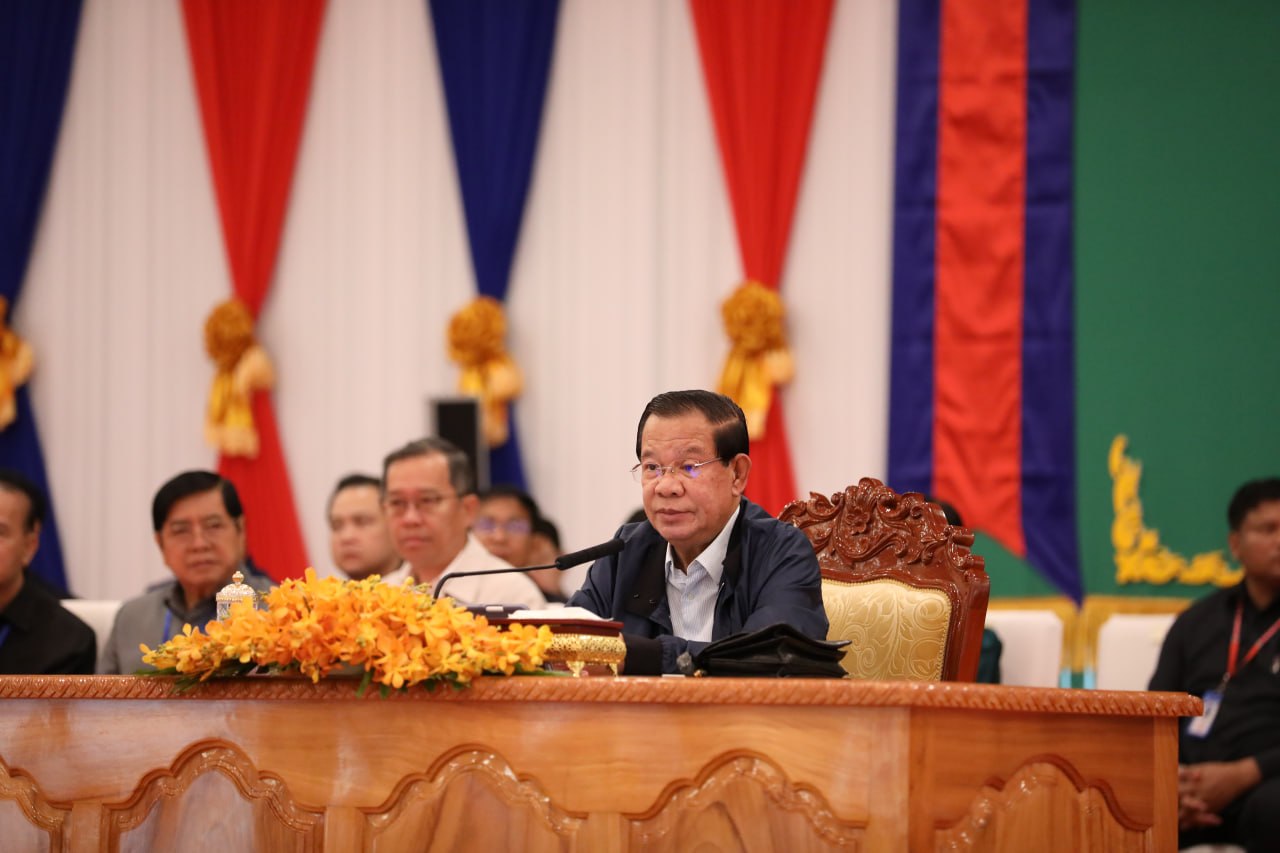
Senate President of Cambodia, Samdech Techo Hun Sen, has urged authorities in Stung Treng and Kratie provinces to cooperate in protecting the Mekong River dolphin population. He also called for the development of alternative livelihoods for residents to replace traditional fishing practices that impact the protected aquatic resources. Speaking during a meeting with local leaders in Stung Treng province on July 9th, Samdech Techo Hun Sen expressed gratitude for the efforts of the provincial leadership and civil servants, recalling two key goals previously set: infrastructure development in border areas and the establishment of a "border of peace, friendship, cooperation, and development" with neighboring countries. He highlighted that Stung Treng province has a significant heavy industry in the Sesan Lower 2 Hydropower Dam, with a capacity of over 400 megawatts. He noted that bridges across the Sesan and Mekong rivers, and road connections to Ratanakiri and Preah Vihear provinces, which were once unimaginable, have now been built, greatly facilitating the movement of people and the transportation of agricultural products. Furthermore, Samdech Techo Hun Sen re-emphasized the importance for local officials to provide services to the public quickly and efficiently. He also instructed for stricter measures to combat tax evasion and illegal commercial activities to increase national revenue. He urged the continuation of the "Safe Village-Commune" policy to maintain national stability and social order, including the crackdown on various crimes such as drug trafficking and cybercrime. He called for continued attention to former and retired soldiers, praising their significant contributions to national development. He specifically instructed authorities to pay close attention to the well-being and living conditions of fallen heroes, disabled veterans, and their families. He stated that supporting the education of their children to become intellectuals is the way to reciprocate their immense sacrifices for the nation. He also urged authorities to resolve land disputes for citizens promptly and effectively, especially through out-of-court settlements, without bias towards any party. He encouraged Stung Treng province to enhance border cooperation with Laos to maintain peace and cooperation along the border and to further promote economic and trade relations between the two countries. According to a report from the Governor of Stung Treng Province, Mr. Sar Sok Puthra, the province shares approximately 255 kilometers of border with Laos and has achieved significant infrastructure development, including bridges and road networks, as well as improvements in urban aesthetics and the construction of numerous key achievements. This provincial visit by Samdech Techo Hun Sen, President of the Senate, aims to strengthen accountability between senators and their constituents, improve the efficiency of local work, and enhance the provision of public services. His visit to Stung Treng marks his 19th such meeting and the 22nd province visited. Source: AKP Khmer

多角的分析

経済的影響

フン・セン上院議長のメコン川イルカ保護と代替漁業への言及は、カンボジアの持続可能な経済開発における環境保全の重要性を示唆している。メコン川流域における漁業は多くの地域住民の生計を支えているが、過剰漁業や環境破壊は資源の枯渇を招きかねない。イルカのような象徴的な種の保護は、エコツーリズムの潜在的可能性を示唆する一方で、代替収入源の確保は、地域経済の多角化と住民の生活安定に不可欠である。これは、天然資源への依存度が高いカンボジア経済にとって、長期的な視点での構造転換を促す可能性を秘めている。

投資家心理

メコン川イルカの保護と代替漁業への移行は、環境規制の強化と地域社会への配慮を投資家が考慮すべき新たな側面を示唆している。環境保全への取り組みは、ESG投資の観点からプラスに評価される可能性がある。一方で、伝統的な漁業からの転換は、新たなビジネスチャンスを生み出す可能性がある。例えば、持続可能な漁業技術、代替養殖、あるいはイルカウォッチングなどのエコツーリズム関連事業への投資が考えられる。ただし、これらの事業の実現可能性と収益性は、政府の支援策、地域社会の受容性、および国際的な観光需要に左右されるため、慎重な市場調査が求められる。

社会的影響

メコン川イルカの保護と代替漁業への転換は、沿岸部や河川沿いに暮らす地域住民の生活に直接的な影響を与える。従来の漁業に依存してきた人々は、新たな生計手段を見つける必要に迫られる。この移行プロセスが円滑に進むかどうかが、社会的な安定に大きく関わる。政府が提供する職業訓練や経済的支援が十分でない場合、貧困の増加や地域間格差の拡大につながる懸念がある。また、イルカ保護区の設定は、漁業活動の制限を意味する可能性があり、地域住民との合意形成が不可欠となる。これは、自然保護と地域社会の権利とのバランスが問われる課題である。

市民の声

今回のフン・セン上院議長の呼びかけは、ストゥン・トレン県やクラチェ県に住む漁師たちにとって、生活の糧をどう維持していくかという切実な問題に直結する。長年、メコン川の恵みを受けてきた彼らにとって、伝統的な漁業を続けられなくなることは、経済的な打撃だけでなく、生活様式や文化の喪失にもつながりかねない。政府が提示する「代替生計手段」が、具体的にどのようなもので、どの程度収入を保証してくれるのか、多くの住民が不安を感じているだろう。特に、高齢者や技術を持たない人々への支援が手厚く行われるかが、地域社会の受容性を左右する鍵となる。

背景・歴史的文脈

メコン川のイルカ(イラワジイルカ)は、カンボジアにおいて絶滅危惧種であり、その保護は長年にわたり課題となっている。過去の森林伐採、ダム建設、水質汚染、そして漁業活動による混獲などが、生息数を減少させてきた。2000年代初頭から、カンボジア政府は国際機関やNGOと協力し、イルカ保護区の設定や漁業規制の導入を進めてきた。しかし、依然として密漁や漁具による事故は後を絶たない。フン・セン氏の今回の発言は、こうした状況を踏まえ、保護活動の強化と、それに伴う地域住民の生計への配慮を改めて強調したものと見られる。

原文ソース

AKP Khmer

原文を読む