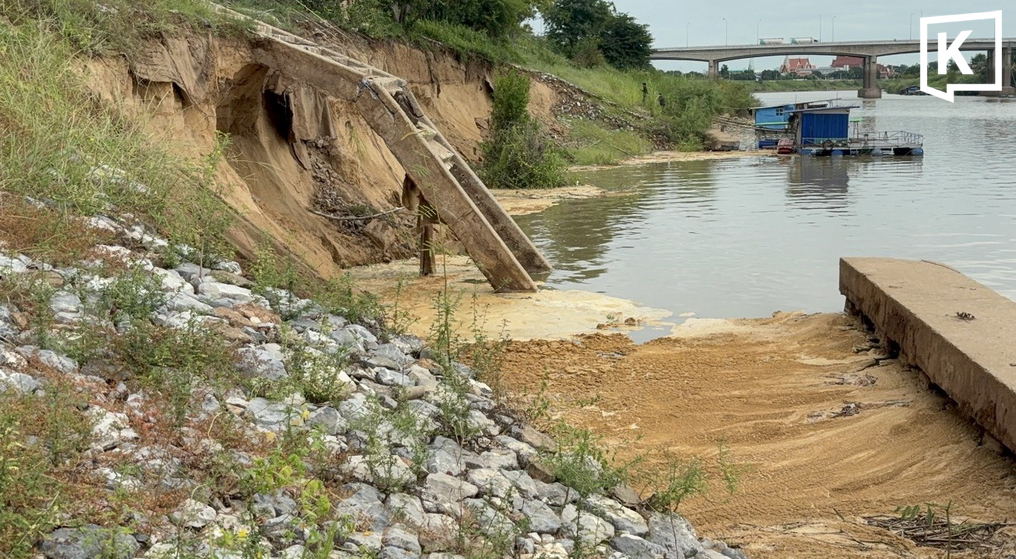
Chao Phraya Riverbank Wall Collapses for 100 Meters in Ang Thong, Tourism Facilities Relocated
A 100-meter stretch of stone embankment along the Chao Phraya River in Ang Thong province, central Thailand, collapsed on July 1. Authorities are investigating the cause and implementing measures to prevent further damage, while floating platforms used for fishing tourism have been moved from the danger zone.
This article requires PRO
This article is outside the free access window or is a special report. PRO unlocks it and the full archive.
Related articles
- Phuket Vegetarian Festival Showcases Hokkien Culture
The Phuket Vegetarian Festival, held from October 10-18, offers a unique opportunity to experience the island's distinct Hokkien Chinese traditions through ceremonial rituals and street processions, showcasing community faith and history.
- Eurovision Final Boosts Bangkok Travel Demand, Agoda Reports
Travel booking platform Agoda reported a significant surge in travel demand to Bangkok during the Eurovision final. This highlights the impact of international events on Thailand's tourism sector.
- Pattaya Mayor Welcomes New TAT Pattaya Office Director, Pledging Enhanced Tourism Cooperation
Pattaya Mayor Poramese Ngampichet welcomed the newly appointed director of the Tourism Authority of Thailand (TAT) Pattaya Office, Mr. Saksakun Suppakritanan. The meeting emphasized a commitment to enhanced cooperation for tourism recovery and economic revitalization in the region.
- Pattaya Aims to Boost Tourism by Highlighting Historical Military Routes
Pattaya, Chonburi – Pattaya City is developing initiatives to integrate local history, such as the military routes of King Taksin, into its tourism offerings. A seminar was held at City Hall to discuss strategies for linking historical heritage with tourism development.