Philippines' Growth Outlook Slashed Despite Upper-Middle Income Status Upgrade
Economy
2026年7月8日
5
Rappler Business

Philippines' Growth Outlook Slashed Despite Upper-Middle Income Status Upgrade

AI サマリー

Days after its reclassification as an upper-middle-income country, the Philippines government has lowered its economic growth forecast for 2026, citing persistent inflation and 'governance-related issues' as key risks.

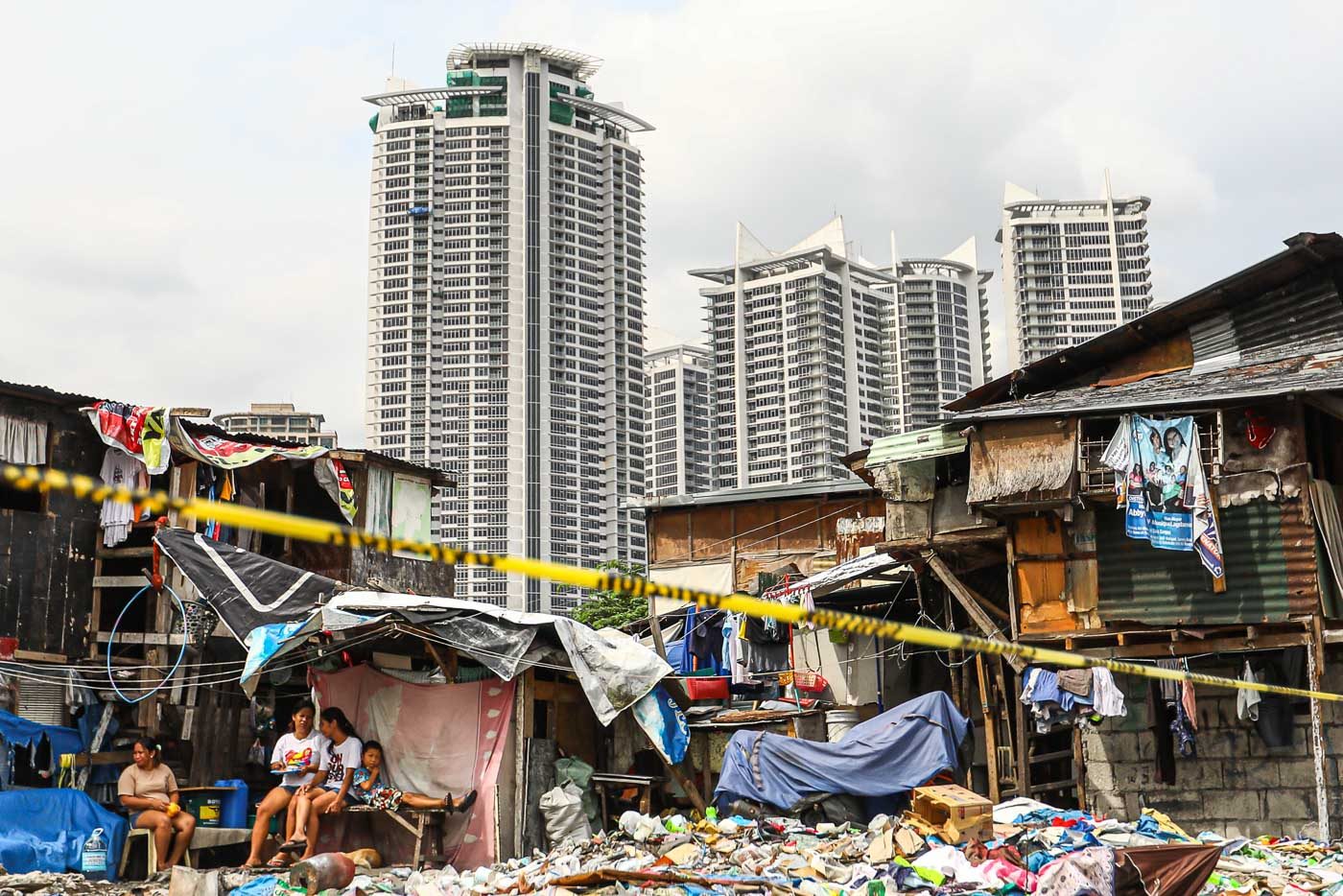
MANILA, Philippines – Days after the Philippines finally hit upper-middle-income status, the government’s own economic managers offered a sobering outlook: growth may be slower than expected, and inflation could stay above target amid risks from oil prices, weather shocks, and “governance-related issues.” The Development Budget Coordination Committee (DBCC), in its latest review of medium-term assumptions, now expects the economy to grow by only 3.5% to 4.5% in 2026, before recovering to 5% to 6% from 2027 to 2030. The downgrade marks the latest retreat from the government’s earlier growth ambitions. In December 2025, the DBCC had already lowered its targets to 5% to 6% for 2026, 5.5% to 6.5% for 2027, and 6% to 7% for 2028. Those were already below the higher growth path President Ferdinand Marcos Jr. laid out early in his term. In his first State of the Nation Address in 2022, Marcos said the government was targeting 6.5% to 8% annual real GDP growth from 2023 to 2028, alongside single-digit poverty, a lower deficit, and upper-middle-income status. The Philippines might have achieved that last goal, but the latest DBCC forecast shows the economy is moving farther away from that original high-growth path. Must Read The Philippines is now upper-middle income. Why doesn’t it feel that way? Why growth is slowing The DBCC said growth is expected to moderate this year due to “heightened domestic and external uncertainties,” including governance-related issues, geopolitical tensions in the Middle East, and other global developments affecting business and consumer confidence. The DBCC did not elaborate on what the “governance-related issues” were. However, in 2026, the Philippines has been dealing with the fallout from alleged corruption and irregularities in flood-control projects, as well as the impeachment proceedings against Vice President Sara Duterte. It also warned that elevated inflation could temper household consumption and investments, while slower growth in remittances and visitor arrivals could further dampen the economy. The DBCC expects inflation to average 6% to 7% in 2026, before easing to 4% to 5% in 2027 and returning to the government’s 2% to 4% target range from 2028 to 2030. Inflation in the first half of 2026 averaged 4.8%. This implies continued price pressure in the second half of the year, even after headline inflation eased to 6.4% in June. Oil is another highlighted issue, though crude prices have recently softened. The DBCC assumes Dubai crude will average $80 to $100 per barrel in 2026, before easing in later years. But lower crude prices do not automatically translate to immediate pump price cuts, since local fuel prices also depend on refined product benchmarks, import timing, inventories, and the peso-dollar exchange rate. (READ: Fuel prices rise again with diesel, kerosene hikes on July 7) The DBCC also flagged the looming El Niño in the second half, which could reduce agricultural output and disrupt economic activity. Recent labor data already show strain in the farm sector, with unemployment rising to 4.8% in May 2026 and agriculture and forestry shedding 905,000 jobs year-on-year. (READ: Unemployment inches up to 4.8% in May 2026 as farm jobs take a hit) Next steps Despite the weaker outlook, the government is still preparing a large spending program. The proposed 2027 national budget is P7.2 trillion, equivalent to 21.7% of GDP, while 2026 disbursements are expected to reach P6.47 trillion. In 2027, the government expects to collect P5.21 trillion in revenues while spending P6.90 trillion, leaving a projected deficit of P1.69 trillion, or 5.1% of GDP. Even so, economic managers aim to gradually narrow the deficit from 5.4% of GDP in 2026 to 3.5% by 2030. To do that, the government is banking on higher revenue collections and more disciplined spending. On the revenue side, the DBCC cited it would pursue the “full implementation” of tax policy reforms which include the VAT on Digital Services Act, CREATE More law, Capital Markets Efficiency Promotion Act, and the new Mining Fiscal Regime, alongside better tax administration, digitalization, and enforcement. On the spending side, the government said it will look for savings by cutting unnecessary recurring expenses, tightening day-to-day operating costs, reviewing the performance incentive system for government workers, and speeding up its Government Optimization Program, which is meant to make the bureaucracy more efficient. It also plans to push devolution reforms by getting local governments to prepare and approve Devolution Transition Plans, or roadmaps for the services and functions they are expected to take on. At the same time, the DBCC said it will “rationalize” cash subsidy and financial assistance programs to reduce overlaps and better target beneficiaries. The risks here, however, could be that in trying to save money, the government could make aid harder to access just as many households are still struggling with high prices. – Rappler.com [Puso at diwa] Beyond the World Bank’s reclassification of PH as upper-middle income

多角的分析

経済的影響

フィリピン経済は、上級中間所得国への昇格という成果を上げたものの、成長見通しは鈍化している。これは、インフレが目標を上回り、家計消費や投資を抑制する可能性が高いことを示唆している。特に、農業部門へのエルニーニョ現象の影響は、食料価格の上昇を通じてインフレ圧力をさらに高めるリスクがある。海外からの送金や観光客到着数の鈍化も、外貨収入と消費支出の両面に影響を与え、経済成長の足かせとなるだろう。政府は歳出拡大と財政赤字の維持を計画しているが、税収目標の達成と効率的な歳出運営が課題となる。

投資家心理

投資家にとって、フィリピン経済の成長見通しの下方修正は、リスク要因の増加と捉えられる。特に「ガバナンス関連の問題」は、透明性や予測可能性の低下を示唆し、直接投資や証券投資の判断に影響を与える可能性がある。インフレの高止まりは、実質的なリターンの低下を招くため、投資家はより慎重な姿勢をとるだろう。一方で、政府が推進する税制改革やインフラ投資への期待も残るが、これらの効果が具体化するまでの不確実性は高い。

社会的影響

フィリピンが上級中間所得国に分類されたにもかかわらず、多くの国民が生活実感として豊かさを感じられていない現状が浮き彫りになっている。成長見通しの鈍化やインフレ高止まりは、特に低所得者層や地方の住民にとって、生活必需品の価格上昇や雇用機会の減少といった形で直接的な影響を与える。エルニーニョ現象による農業への打撃は、食料供給の不安定化と農村部の貧困を悪化させる可能性がある。「ガバナンス関連の問題」は、国民の政府への信頼を揺るがし、公共サービスへのアクセスや公平性に対する懸念を生じさせる。

市民の声

国民にとって、上級中間所得国への昇格というニュースは、日々の生活の厳しさとの乖離を感じさせるものだろう。成長見通しの下方修正は、将来への希望を削ぐ可能性がある。インフレが続けば、食料品や燃料などの価格上昇が家計を圧迫し、特に低所得者層の生活はさらに苦しくなる。エルニーニョによる農業への影響は、食料価格へのさらなる上昇圧力となることが懸念される。また、「ガバナンス関連の問題」は、政府の信頼性への疑問を投げかけ、将来の政策決定や公共サービスへの影響を不安視させる。

背景・歴史的文脈

フィリピンは、世界銀行の基準に基づき、2024年7月1日に上級中間所得国(Upper-Middle Income Economy)に分類された。これは、一人当たりの国民総所得(GNI)が4,256ドルから13,195ドルの範囲にある国を指す。この分類は、経済発展の節目とされるが、国内の所得格差や貧困問題が依然として深刻であることから、国民の間では「実感のない豊かさ」との声も上がっていた。今回の成長見通し下方修正は、この「実感」と「公式な経済指標」との乖離をさらに浮き彫りにする形となった。

原文ソース

Rappler Business

原文を読む