General articles are free for 24 hours after publish.
Debate Erupts Over 'Meaningless' Lyrics in Vietnamese Songs
A wave of songs with seemingly nonsensical lyrics, such as 'Gián đáng iu hông?' and 'Ăm chã húi,' are gaining massive traction on Vietnamese social media, sparking heated debates among experts and the public about their musical value and impact on the Vietnamese language.
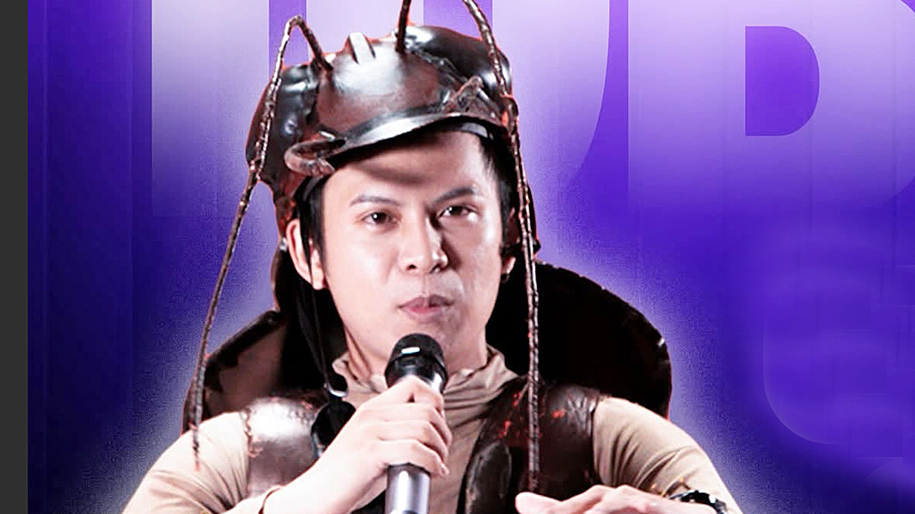
A wave of songs featuring seemingly nonsensical lyrics is rapidly gaining traction across Vietnamese social media platforms, sparking lively debates among music industry professionals and the general public. Tracks like "Gián đáng iu hông?" and "Ăm chã húi" by Lâm Thằn Lằn, along with "Zombie V4" by Bloodring, have garnered millions of views on platforms like TikTok and YouTube. These songs often employ a shared formula: short structures, fast-paced rhythms, and the extensive use of 5- to 15-second loops designed to create immediate memorability. The chorus of "Gián đáng iu hông?" is repeated incessantly, while "Zombie V4" utilizes rapid onomatopoeic phrases like "Bùm, kích hỏa bùm bum" to capture initial viewer attention within the first few seconds of scrolling. On YouTube, many comments express concern that the "lisping lyrics" distort the Vietnamese language and diminish its musical value. Phạm Sơn, a 36-year-old listener from Ho Chi Minh City, stated that these songs primarily pique social media curiosity to attract listeners. "If it's purely for entertainment, it's acceptable. But to call this music, I'm not convinced," he said. Conversely, a segment of young listeners views these as "harmless entertainment" content, serving as a way to de-stress after intense work hours. Musician Huy Tuấn perceives this phenomenon as a mere "mutation" specific to the current moment, born from social media algorithms. He believes this trend does not represent the movement of professional music. From a production standpoint, musician Phạm Việt Hoàng suggests that creating "meaningless" melodies might be a deliberate calculation by creators to attract attention quickly. "These products lack aesthetic depth and message, merely stopping at temporary sensationalism and playfulness," Hoàng commented. Researcher and poet Lê Minh Quốc believes that young people can certainly play with words for their own entertainment. However, he argues that the frequent misuse of meaningless language and writing will reduce the richness of the Vietnamese language. He posits that a true work requires authors to carefully select lyrics and imagery to convey aesthetics to the public. "Young authors must cherish the Vietnamese language even more. Naive, clichéd words might easily attract initial curiosity, but ultimately, they only create low-quality works," Quốc stated. The rise of "naive" melodies and lyrics partly reflects the reception psychology of a segment of listeners. In an era of information overload, audiences may no longer have the patience for works requiring deep contemplation. "The need for minimalist, light-hearted, and instantly gratifying sounds has become fertile ground for the 'unintelligent' music genre to flourish," Hoàng noted. The economic and social context, fraught with pressure, also contributes to a new turning point in the songwriting market. Increased leisure time encourages a portion of non-professional music writers to enter the market. Their works are imbued with everyday life, using common conversational language that easily resonates with the entertainment desires of the masses. Nevertheless, industry insiders advise that authors, whether professional or amateur, need to be mindful of the pressure from view counts and algorithms. Musician Huy Tuấn emphasized, "Tricks to catch trends cannot build a sustainable career. In art, only serious work and systematic investment in expertise can create long-term value." In response to the mixed opinions, the author behind Lâm Thằn Lằn (28 years old, real name Nguyễn Hoàng Cao Lâm) expressed surprise that his two songs have garnered such attention. Lâm stated he respects all praise and criticism, viewing public feedback as challenges on his musical journey. "For me, the essence of music is freedom of expression, and the ultimate destination of a song is to bring positive life energy to the audience," Lâm said. Information Source: VnExpress
Original source
VnExpress