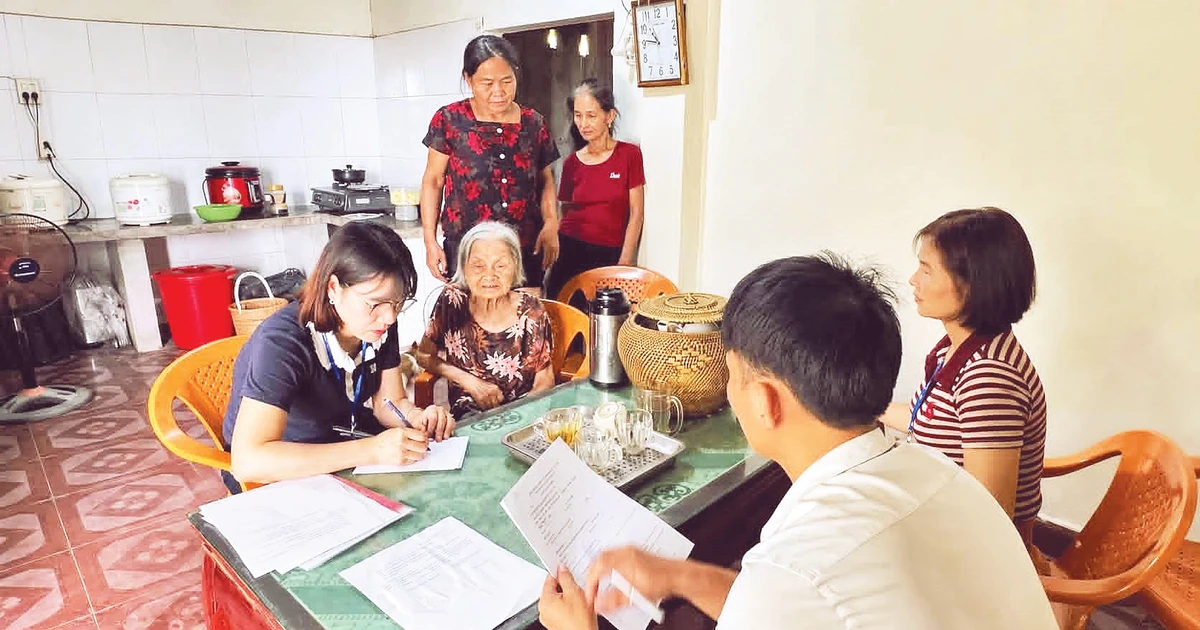
Vietnam Brings Public Services to Citizens' Doorsteps with Mobile Offices
Society
2026年8月1日
5
Nhan Dan

General articles are free for 24 hours after publish.

Vietnam Brings Public Services to Citizens' Doorsteps with Mobile Offices

Share
AI Summary

In Dai Dong commune, Nghe An province, Vietnam, a "mobile public service" initiative has been launched to provide administrative procedures at the homes of elderly and disabled residents. This aligns with the government's policy of digitalizing administration and prioritizing citizen-centric services, aiming to improve convenience and transparency.

In Dai Dong commune, Nghe An province, Vietnam, an innovative initiative called "Mobile Public Services" is bringing administrative procedures directly to citizens' homes. This model is designed to serve the elderly, people with disabilities, war invalids, and individuals facing difficulties in mobility. Officials visit their residences to receive, guide, and resolve administrative procedures. In the final days of June, the sight of commune officials carrying laptops and digital scanning equipment to visit households, guiding them through applications, receiving documents, and processing administrative tasks, has become familiar in many villages. This model is being implemented by the Dai Dong Commune Administrative Service Center, following directives from the Nghệ An Provincial People's Committee and in line with the government's push for administrative reform and digital transformation. The service prioritizes the elderly, disabled individuals, those undergoing medical treatment, individuals with revolutionary merits, and those with special circumstances or significant mobility challenges. After receiving registration information from residents or through village heads, center officials proactively schedule visits to guide them through the process, receive and digitize documents, and assist with administrative procedures as per regulations. Tasks that previously required citizens to visit the "one-stop shop" are now being handled within their homes. Mr. Tuong Dang Hao, Vice Chairman of the Dai Dong Commune People's Committee, explained that the model was developed based on local realities, acknowledging the considerable difficulties faced by many elderly, disabled, and ill residents in traveling to complete administrative procedures. Dai Dong commune was among the first localities to implement this model after the provincial directives were issued, developing an action plan and becoming a pioneer. Since June 29th, the Commune Administrative Service Center has organized four mobile service sessions, directly resolving administrative procedures for eight cases involving war invalids and elderly individuals at their homes. Mr. Hao emphasized that the officials' home visits are not merely about processing paperwork but also demonstrate the responsibility and dedication of the grassroots government. Residents receive direct guidance, reducing the need for multiple trips. Furthermore, they are assisted with document digitization, gradually familiarizing them with public services in a digital environment. The initiative reflects a shift in the mindset of grassroots governance: instead of waiting for citizens to come to administrative offices, officials are proactively bringing public services to the people. This approach is particularly meaningful in areas with large territories, dispersed populations, or a significant number of elderly citizens and those with revolutionary merits. Amidst the nationwide efforts to accelerate administrative reform and digital transformation, the "Mobile Public Services" in Dai Dong commune illustrates that digital transformation is measured not only by online platforms or technological systems but also by the ability to deliver public services effectively to those who need them. When vulnerable populations can fully and conveniently access administrative procedures, the goal of building a citizen-centric administration is truly realized.

0

Original source

Nhan Dan

原文を読む