Ejercito Pushes Long-Term Infra Master Plan to Stimulate Growth
Politics
2026年7月17日
5
Inquirer NewsInfo

Ejercito Pushes Long-Term Infra Master Plan to Stimulate Growth

AI サマリー

Senator JV Ejercito is pushing for the swift passage of a bill that institutionalizes a long-term infrastructure development master plan, aiming to stimulate nationwide economic growth and address regional disparities. The proposed act seeks to create a framework for coordinated and sustained infrastructure projects beyond political transitions.

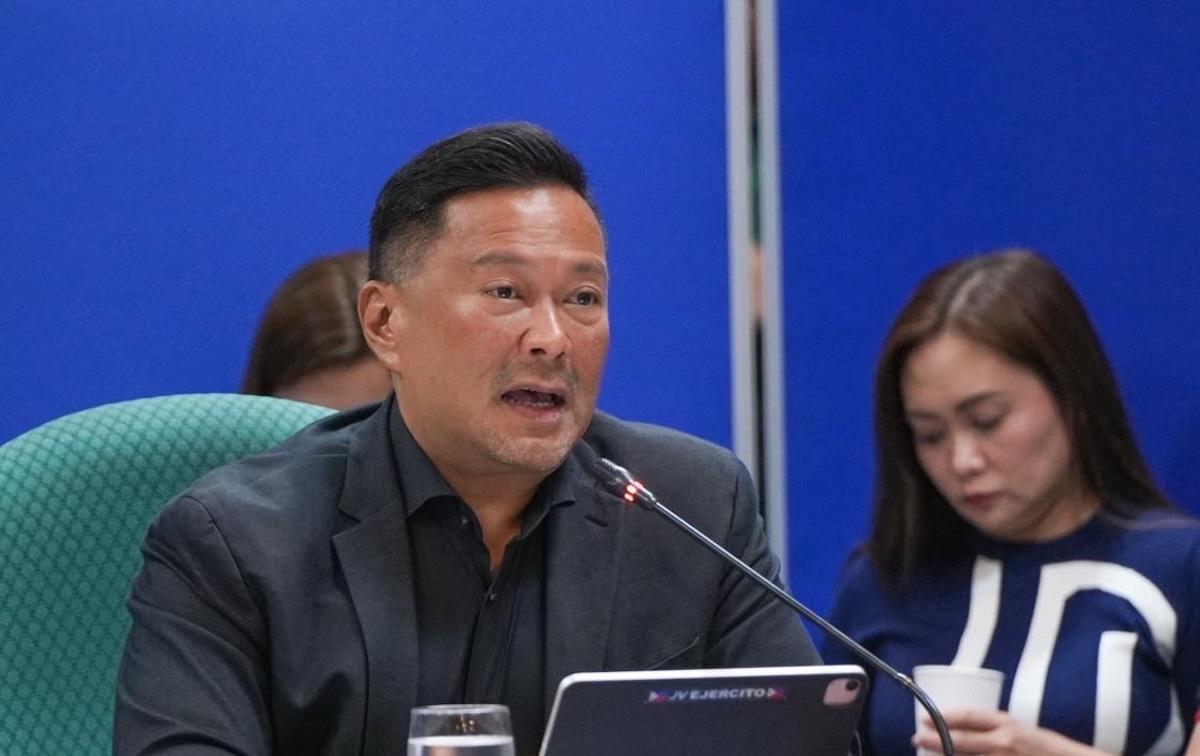
MANILA, Philippines — Senate Senior Deputy Majority Leader JV Ejercito renewed on Thursday his call for the immediate passage of Senate Bill No. 2— the proposed Master Plan on Infrastructure and National Development Act (MIND) Act. “This will hit two birds with one stone. I think this will be the key. This will really stimulate economic growth all over the country,” Ejercito, an advocate for a national infrastructure masterplan since the 17th Congress, said in a mix of English and Filipino during the public hearing of the Senate committee on economic affairs and the committee on public works and finance. “The centers of growth are not only in Metro Manila, not only in Cebu, not only in Davao. It needs to be spread, like, for example, in other areas in Mindanao,” he went on. READ: Gov’t eyes 9 flagship infra projects done by end 2026 “Railways and mass transit are the keys to faster movement of people, business, and the economy. Infrastructure development is not only for the current administration. This is for future generations of Filipinos,” he added. Ejercito’s bill seeks to institutionalize a long-term Comprehensive Infrastructure Development Masterplan and create the MIND Council to ensure that major infra projects are coordinated, data-driven, transparent, and continue beyond changes in political leadership. The lawmaker from San Juan said the government must prioritize projects that create sustainable jobs and livelihood opportunities instead of making people rely solely on cash assistance programs. “Let’s not rely solely on aid programs. We all need decent jobs and livelihoods that will be sustainable in the long run. Aid is just short-term and not sustainable. What we want are real jobs and livelihoods so we can raise the quality of life of our countrymen,” Ejercito said. Ejercito acknowledged that the government already laid down the policy groundwork through the Department of Economy, Planning, and Development (DepDev) Law (Republic Act No. 1214) and Executive Order No. 72. But he pointed out that it is crucial to institutionalize the system through the passage of the proposed MIND Act, one of his priority measures in the 20th Congress. During the deliberations on the DepDev Law, Ejercito also proposed Section 15 to be included in the country’s long-term vision, goals, and strategy for infrastructure development in the Long-term Development Framework. “If we look at our neighbors in the Asean [Association of Southeast Asian Nations], we’ll see how far we have been left behind in infrastructure development. This is not rocket science. They chose a clear direction and had long-term plans. It’s time we also do these,” he said. READ: Philippines’ infra spending plunged 17% in 2025 As the current Senate finance chief, Ejercito said the Senate would put an end to the practice of last-minute insertions during the bicameral conference committee and strengthen the participation of local governments in determining priority infrastructure projects. “We will no longer accept insertions in the bicam. We’ll make sure to give voice to our regional development councils and local governments in choosing projects to be implemented. We will no longer allow projects we don’t know about or are not priorities of the community,” he said. He stressed that the recently exposed flood control anomalies reflected the consequences of fragmented planning, weak project monitoring, and poor accountability. According to him, this makes the passage of the MIND Act more urgent than ever. “Let’s start fixing the system. Let’s hold accountable those who must be held accountable. But let’s continue the projects that our countrymen really need,” he said. /atm

多角的分析

経済的影響

Ejercito議員が提唱するMIND法は、フィリピン経済の長期的な成長軌道を安定させる可能性を秘めている。過去のインフラ投資は、政権交代による計画の断片化や優先順位の変更により、非効率や遅延が生じやすかった。MIND法が目指す「MIND評議会」による調整とデータ主導の意思決定は、投資の予見可能性を高め、民間投資を呼び込むための重要な要素となる。特に、ASEAN諸国とのインフラ開発における遅れを指摘している点は、地域経済統合の観点からも重要であり、物流コストの削減や国内市場の活性化に繋がる可能性がある。しかし、法案の具体的な予算配分や、評議会の独立性・実効性が確保されるかどうかが、その経済的効果を左右する鍵となる。

投資家心理

MIND法案の可決は、フィリピンへのインフラ投資を検討する投資家にとって、より安定した、予測可能な投資環境を示唆する。長期的かつ一貫したマスタープランは、プロジェクトの遅延リスクや政策変更リスクを低減させるため、特に大規模なインフラプロジェクトへの投資意欲を高める可能性がある。過去の事例では、政権交代や予算の不確実性から、海外からの直接投資(FDI)がインフラ分野で伸び悩むケースが見られた。MIND法が、プロジェクトの透明性、説明責任、そして地方自治体の関与を強化することで、投資家はより信頼性の高い情報に基づいて意思決定できるようになるだろう。これは、日比関係におけるインフラ分野での協力拡大にも繋がる可能性がある。

社会的影響

Ejercito議員が強調する「持続可能な雇用と生計」の創出は、フィリピン社会の喫緊の課題である。現金給付プログラムへの依存は、一時的な救済にはなるものの、根本的な貧困削減や生活水準の向上には限界がある。長期的なインフラ開発、特に鉄道や大量輸送システムへの投資は、地方都市や農村部からの人材の移動を容易にし、国内各地に新たな雇用機会を生み出す可能性がある。これにより、マニラ首都圏への人口集中を緩和し、地域間の経済格差を是正する効果も期待できる。また、インフラプロジェクトの透明性強化は、最近指摘された洪水対策工事の不正のような、公共資金の浪費や腐敗に対する国民の不信感を払拭し、政府への信頼回復に繋がる重要な一歩となるだろう。

市民の声

Ejercito議員の提案は、マニラ首都圏だけでなく、地方に住む多くのフィリピン国民にとって、生活の質の向上に直結する可能性を秘めている。例えば、地方都市から首都圏への移動が容易になれば、より良い教育や医療へのアクセスが改善されるかもしれない。また、地方での雇用機会が増えれば、海外への出稼ぎ(OFW)に頼らざるを得ない状況が緩和され、家族が離れ離れになる悲劇も減るだろう。しかし、インフラプロジェクトの選定プロセスに地方自治体がより深く関与できるようになったとしても、そのプロジェクトが本当に地域住民のニーズに合致するものになるか、そして建設段階での環境への影響や、完成後の維持管理が適切に行われるかなど、具体的な実施段階での住民の声の反映と監視が重要となる。

背景・歴史的文脈

フィリピンでは、過去数十年にわたり、インフラ開発の遅れが経済成長の足かせとなっているとの指摘が絶えなかった。政権交代のたびに開発計画が見直されたり、優先順位が変更されたりすることが常態化し、長期的な視点に立った一貫性のあるインフラ整備が進まなかった。特に、ASEAN諸国と比較した際のインフラ格差は顕著であり、物流コストの高さや、国内各地の経済格差の拡大といった問題を引き起こしてきた。Ejercito議員が推進するMIND法は、こうした過去の教訓を踏まえ、政治的影響に左右されない、持続可能なインフラ開発体制を構築することを目指している。これは、2017年に制定された「国家開発計画法」や、それに続く大統領令による計画策定の取り組みを、より法的な拘束力を持つ制度へと昇華させようとする試みである。

原文ソース

Inquirer NewsInfo

原文を読む