What India’s Myanmar drone case against 6 Ukrainians and 1 American reveals
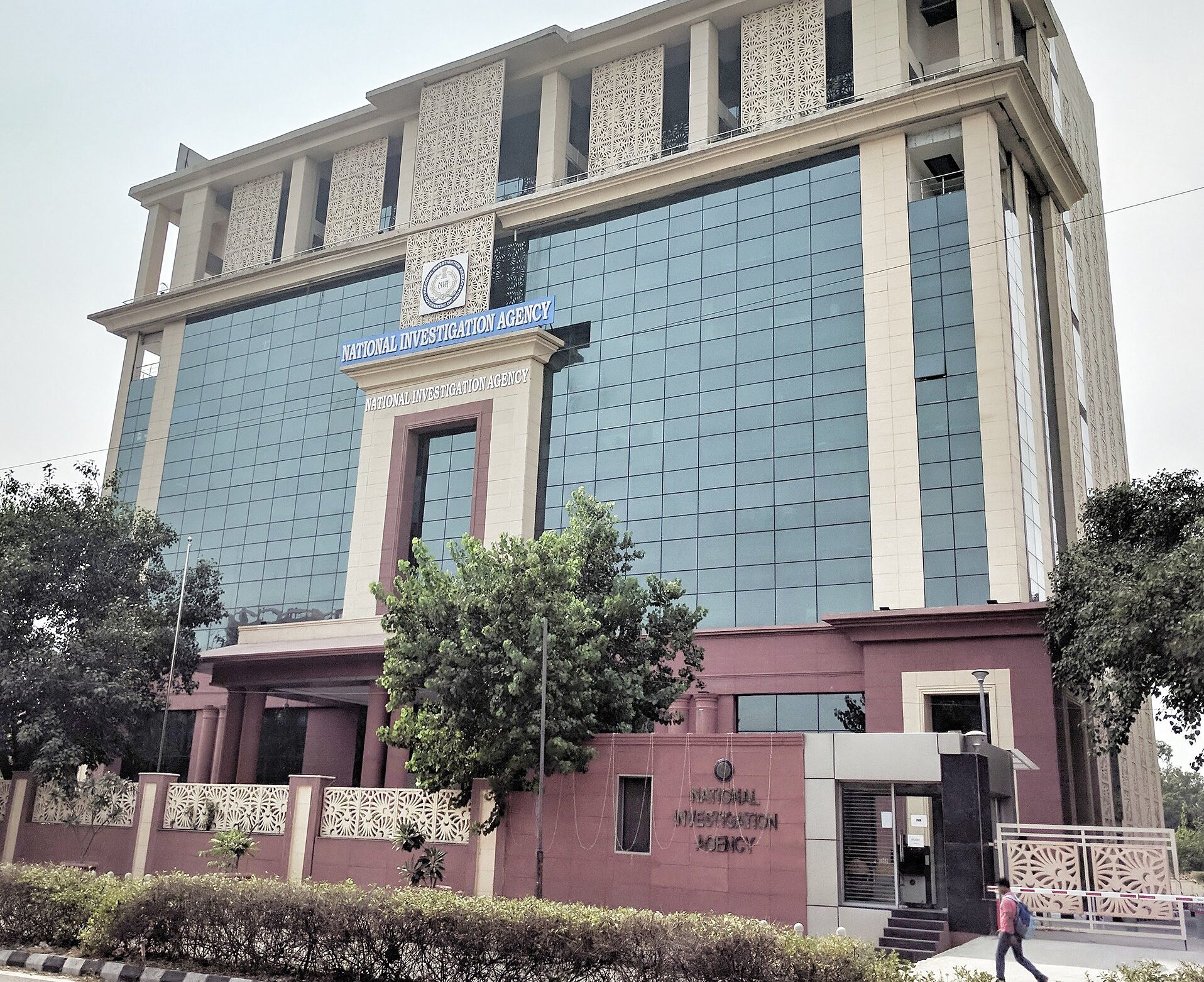
Guest contributor Shalini Perumal On September 24, six Ukrainians – Petro Hurba, Taras Slyviak, Ivan Sukmanovskyi, Marian Stefankiv, Maksim Honcharuk, and Viktor Kaminskyi – along with American Matthew Aaron VanDyke – were granted bail and released from prison, allowing them to travel to Ukraine and the United States for one month. The seven were arrested at airports in India on March 13 initially under anti-terror laws, allegedly conspiring to carry out activities linked to armed groups in Myanmar. This unique case has emerged and shaken the framework of India-Myanmar relations as questions arise on war crimes, resistance, human rights and accountability. To unearth and unmask the politics of diplomacy, it would be important to examine this case further. According to the National Investigation Agency (NIA), the seven men entered India on tourist visas and travelled through northeast India’s Guwahati and Mizoram into Myanmar without the necessary permits. The agency alleges that they subsequently trained “Myanmar-based ethnic armed groups” in drone warfare, including drone assembly and jamming, and helped procure drones and components from Europe through India. The legal trajectory of the case, however, is more complicated than the initial terrorism allegations suggest. The Ukrainians and American were arrested under Section 18 of the Unlawful Activities (Prevention) Act (UAPA), concerning conspiracy, advocacy, abetment or incitement to commit a terrorist act. Yet when the NIA filed its chargesheet on September 8, it did not invoke the UAPA against any of the seven. Instead, it charged them under Sections 21 and 23 of the Immigration and Foreigners Act, 2025, concerning alleged illegal entry, stay and movement. The NIA told the court that its investigation into possible UAPA offences was continuing. VanDyke’s family communicated to the U.S. government their deep shock for his arrest and concern for his treatment in New Delhi’s Tihar Jail, appealing for his immediate release. They expressed that VanDyke, a filmmaker documenting human rights violations in conflict zones, should be allowed to safely return home. VanDyke spent 180 days in custody, the statutory period for completing the UAPA investigation, when on September 18, a Delhi court granted him default bail, holding that the NIA could not circumvent the statutory time limit covering the immigration offences while continuing to investigate the terrorism allegations. The court also indicated that the six Ukrainian co-accused could seek default bail on the same grounds. The ruling did not amount to an acquittal, nor did it establish that the allegations against VanDyke or the other six were unfounded. After the release of them all on September 24, the NIA investigation remains open, and a supplementary chargesheet could follow. What the ruling establishes is narrower but important: the state cannot indefinitely extend pre-trial detention simply by leaving a more serious investigation unfinished. The NIA has also alleged links between the Myanmar-based groups they claim the seven foreign nationals were involved with and proscribed Indian insurgent organisations. These are serious allegations. But precisely because they are serious, the distinction between allegation, evidence and judicial finding matters. That distinction is particularly important because the case has also become linked to an incident involving a civilian aircraft in Myanmar. On February 20, a Myanmar National Airlines passenger aircraft at Myitkyina airport in Kachin State heading to Mandalay was struck by an First Person View (FPV) drone. The aircraft was damaged, but there were no reported injuries. Myanmar’s illegal military junta accused the Kachin Independence Army (KIA) and the People’s Defence Force (PDF) of deliberately attacking civilian infrastructure. However, reporting by Burma News International, citing local accounts, said the drone was reportedly aimed at the nearby Northern Command headquarters and was shot down by airport security before crashing into the passenger aircraft. That distinction matters, particularly when the illegal junta is known to target its own civilians and spread false information for legitimacy. A drone hitting a passenger aircraft is unquestionably dangerous. But a drone deliberately targeting civilians and a drone targeting an illegal military installation that subsequently strikes a civilian aircraft are different factual and legal propositions. The available accounts therefore raise a question that should be answered with evidence, not assumption: what was the drone actually targeting, and how does that incident connect, if at all, to the seven people arrested (and now released on bail) in India? If the NIA has evidence that these men knowingly helped plan or facilitate an operation intended to attack civilians, that evidence should be investigated and prosecuted through the appropriate legal process. If they supplied technology for an operation that knowingly placed civilian passengers at risk, the same should apply. But the reverse is also important: the occurrence of a drone attack does not, by itself, establish the involvement of particular individuals. This is where the case becomes part of a larger question about how civilian protection is understood in Myanmar. India has cited national-security concerns along its border with Myanmar. The two countries share a long and porous border, and the conflict has consequences for India’s northeast, including displacement, cross-border armed activity, trafficking and narcotics. New Delhi has also cited concerns about insurgency, arms smuggling and other transnational crime in justifying closer security cooperation with Myanmar. But security concerns do not explain away the political and humanitarian costs of that engagement. India is not simply dealing with an abstract “Myanmar” security problem: it is deepening cooperation with an illegal military establishment that has repeatedly murdered Myanmar’s people. Since the 2021 coup, Myanmar’s military has been responsible for extensive violence against civilians. The U.N. Independent Investigative Mechanism for Myanmar has documented serious international crimes, including attacks affecting civilians, arbitrary detention, torture and sexual violence. U.N. reporting has also documented serious abuses by anti-military armed groups. This contradiction establishes a basic principle: abuses against civilians should be investigated regardless of who commits them. Yet India continues to engage Myanmar’s illegal military leadership. In June 2026, Indian Prime Minister Narendra Modi met Min Aung Hlaing in New Delhi. India said the discussions covered areas including defence, border security, trade, energy and other cooperation. India’s relationship with the Myanmar military is also not purely diplomatic.&nb
Read up to 3 eligible full articles per Japan day (JST) for free
Create a free account to open up to 3 eligible full articles per Japan calendar day (JST). Headlines and summaries remain available across ASEAN 7.