General articles are free for 24 hours after publish.
Super El Niño to hit Thailand next year, shifting rainfall patterns
Thailand's Meteorological Department warns of a potential Super El Niño from October 2026 to early 2027, forecasting at least a 10% drop in rainfall. Climate change is expected to exacerbate shifts in rainfall patterns, increasing risks of drought in some areas and heavy downpours.
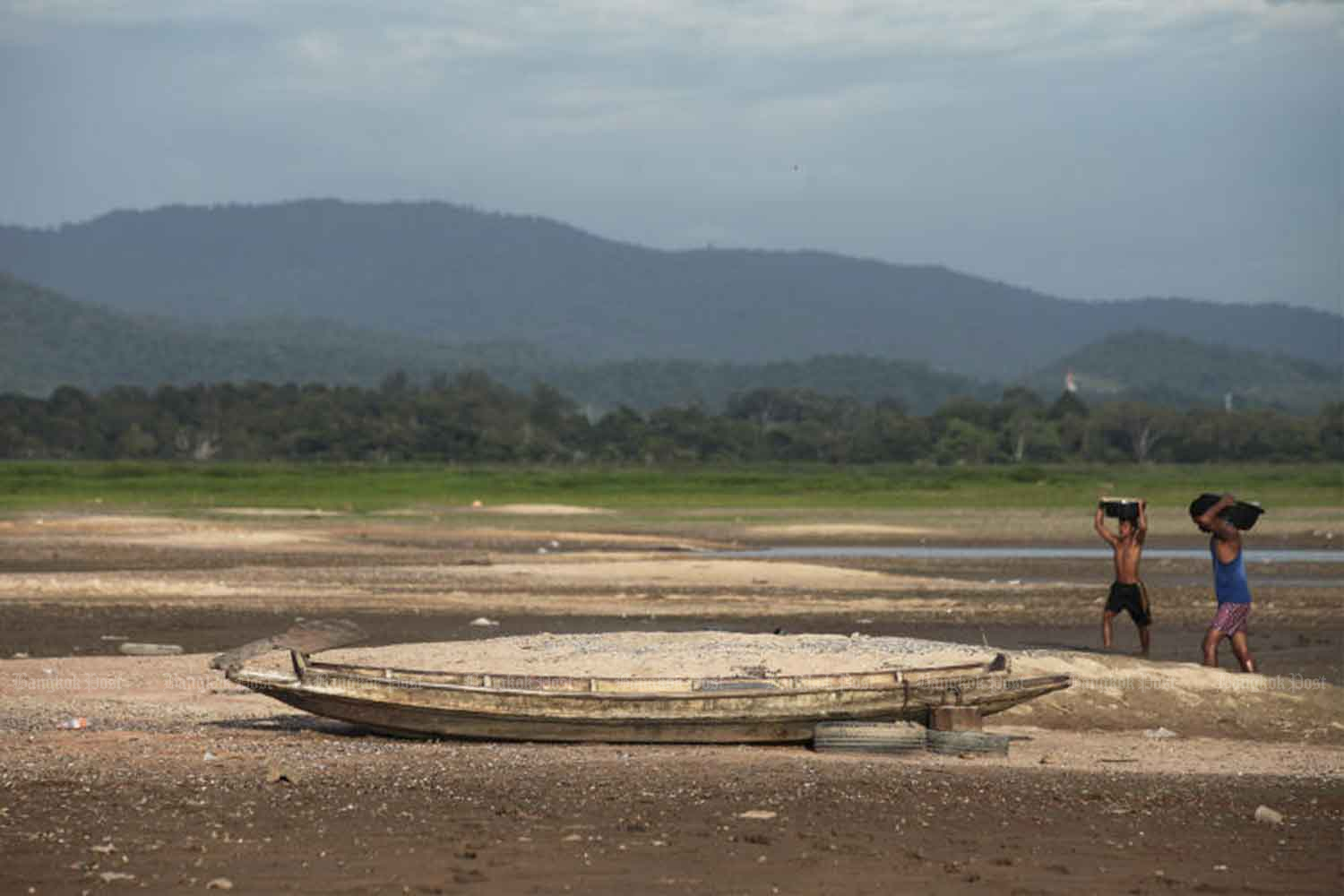
Thailand is unlikely to escape the impact of a Super El Niño expected to hit the country in October and last through the early part of the 2027 rainy season, affecting crops, rice plantations and water consumption. The Thai Meteorological Department has warned that rainfall could fall by at least 10% as a result. A Super El Niño is an unusually strong warm phase of the El Niño-Southern Oscillation, during which sea surface temperatures in the central and eastern tropical Pacific become significantly warmer than normal. Surapong Sarapa, director of the Weather Forecast Division at the Thai Meteorological Department, said the US' NOAA has forecast an 81% chance of a very strong El Niño developing between October and December this year, potentially the strongest since 1950. Super El Niño is set to weaken by early 2027 before easing into a mild El Niño. By the end of 2027, weather conditions are forecast to shift to La Niña. Mr Surapong said Thailand previously experienced Super El Niño events in 1997-98, 2015-16 and, most recently, in 2024. However, he said this year's impacts are expected to be more severe because of climate change. Global temperatures have already risen by about two degrees Celsius, exceeding the level consistent with international efforts to limit global warming, he said. He said Thailand may not necessarily experience less rainfall overall, but rather a shift in rainfall patterns. Longer dry spells are expected to reduce the number of rainy days, while rainfall will become more concentrated in specific areas. Heavy downpours during the dry season and more frequent rain bombs are also expected. "A changing rainfall pattern is a consequence of rising global temperatures. As a tropical country, we may not feel significantly hotter conditions, but we will face more serious changes in rainfall patterns. We need plans to reduce the impacts and strengthen water security," he said. He expressed concern that reservoirs would have limited capacity to capture water because much of the rainfall is expected to occur along border areas. Border provinces are therefore likely to receive sufficient rainfall, while inland provinces could face drought. The four major dams supplying water to the Central Plains are expected to maintain water levels through August and September, but combined storage is projected to be about 10% lower than during the same period last year. Thanes Somboon, spokesman for the Royal Irrigation Department and chief of the Smart Water Operation Centre, said severe drought is likely to reduce second-crop rice production next year because of insufficient water supplies. Output is expected to decline by about 20%. To address the problem, the Ministry of Agriculture and Cooperatives has prepared an alternate wetting and drying system for rice cultivation to conserve water. Mr Thanes said seasonal rice grown within irrigation zones would not face water shortages as it would rely on water released from reservoirs. Under the department's plan, 9.49 billion m³ of water have been allocated for consumption, agriculture, ecosystems and industry. A further 5.46 billion m³ will be released, bringing the total planned water allocation for the rainy season to 14.956 billion m³. "We have released more water this month to support farmers. Next month, however, we will reduce discharges to preserve supplies for the drought season, when water demand could increase by 20%," he said.
Original source
Bangkok Post