General articles are free for 24 hours after publish.
Cambodia Pushes Reforms Amid External Pressures, Focusing on Economy and Energy
Despite facing external pressures and crises, Cambodia continues to push reforms under the "Pentagon Strategy" led by Prime Minister Hun Manet. The nation is focusing on macroeconomic stability and reducing energy consumption to transition towards a sustainable economy.
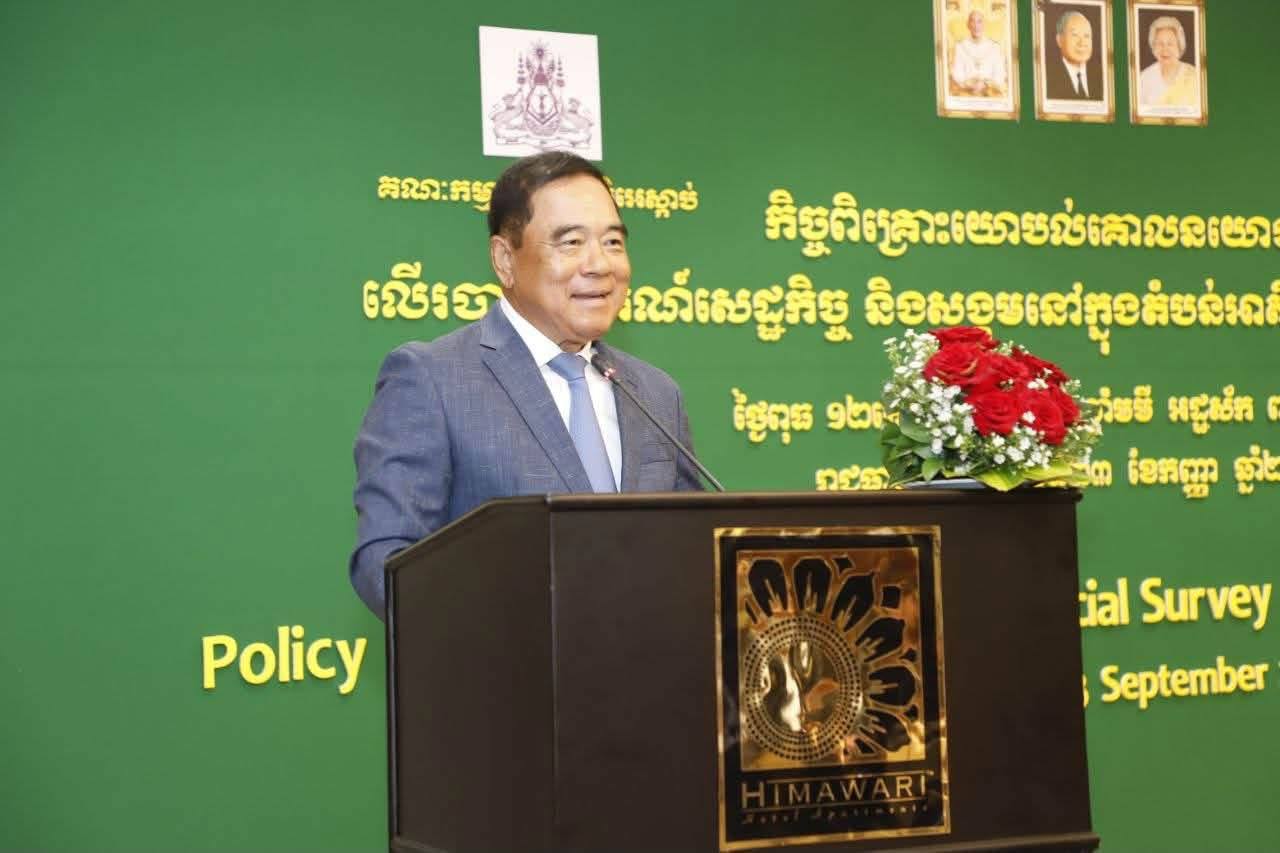
Cambodia is continuing to maintain national stability and promote reforms under the "Pentagon Strategy" led by Prime Minister Hun Manet, despite facing external pressures and global economic uncertainties. This was revealed by Deputy Prime Minister and National ESCAP Committee Chairman Ly Thuch during a policy discussion forum on "Socioeconomic Prosperity in Cambodia Amid the Transition to an Environmentally Sustainable Economy" held on September 23, 2026. Deputy Prime Minister Ly Thuch emphasized that the Cambodian government is working to strengthen macroeconomic stability, support industrial growth and competitiveness, and reduce the burden on citizens. Regarding the energy sector, he stated, "The cheapest energy is the energy we don't have to buy," setting a goal to reduce total energy consumption by at least 19% by 2030. He called for concerted action from all sectors, including factories, buildings, transportation, and households, to turn policy into concrete action. The Deputy Prime Minister highlighted Cambodia's past experience in rebuilding the nation from difficult starting points, emphasizing the importance of learning from partners and prioritizing citizens in all decision-making. He reiterated that the transition to a sustainable economy cannot be achieved by any single country alone and stressed the importance of partnerships. This reform drive demonstrates Cambodia's commitment to strengthening its domestic economic foundation and ensuring energy security amidst external economic and political pressures. The focus on reducing energy consumption is seen not only as an environmental initiative but also as a strategy to decrease reliance on energy imports and enhance economic independence. For the general population, this could lead to lower energy costs and new industrial opportunities associated with the transition to renewable energy, although challenges such as transition costs and technological hurdles may arise.
Original source
AKP Khmer