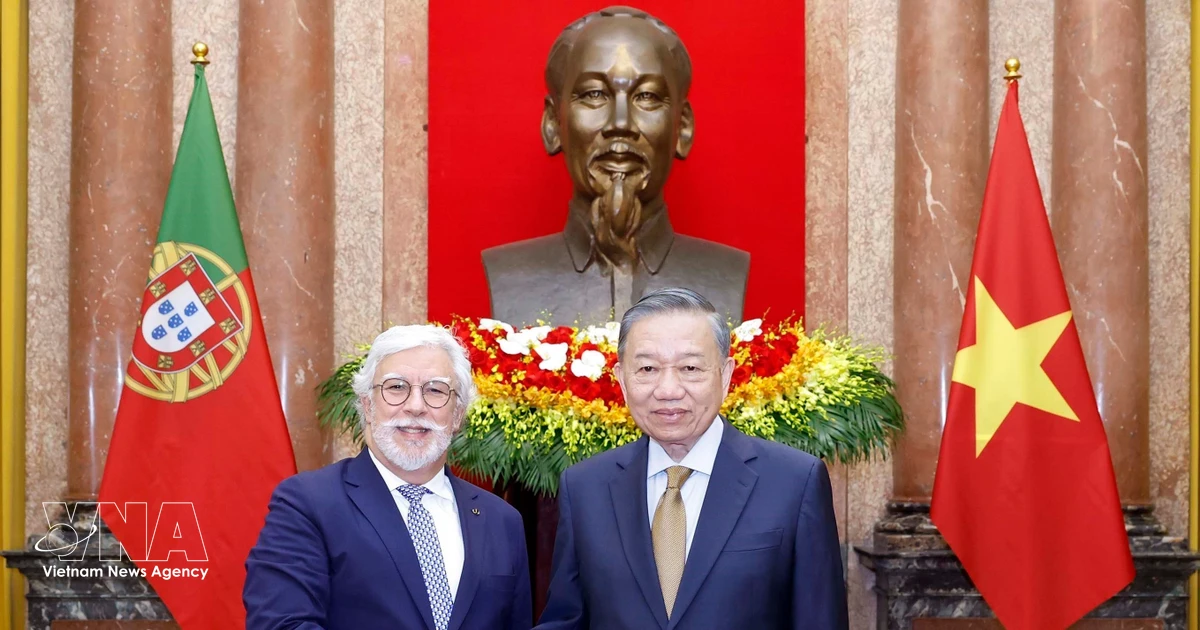
Vietnam Focuses on Implementation Capacity for National Development
Vietnamese Party General Secretary and State President To Lam identified "implementation capacity" as the biggest obstacle to national development, surpassing policy formulation. He emphasized the urgent need to overcome challenges in the execution phase, including digital transformation and inter-agency coordination. This highlights a critical issue for Vietnam's one-party system in balancing policy execution with economic growth.
Party General Secretary and State President To Lam has stated that the greatest obstacle to national development in Vietnam lies not in policy formulation itself, but in "implementation capacity." This recognition is increasingly shared within the government and the Party as a fundamental factor hindering the achievement of Vietnam's economic growth targets and overall societal development. Lam pointed out that challenges remain, particularly in advancing digital transformation and enhancing coordination among various government agencies. He noted that even when policies are decided, their execution at the grassroots level is often delayed or fails to yield the intended results. This situation can pose a significant impediment for Vietnam as it strives to achieve rapid economic growth while ensuring its benefits are widely distributed to all citizens and promoting sustainable development. Under its one-party system, Vietnam has vigorously pursued state-led economic development. However, its growth model has recently encountered challenges due to changing international circumstances and domestic structural issues. Especially in maintaining a complex relationship with China while accelerating economic growth, swift and effective policy implementation is essential. This statement from Lam suggests that Vietnam is focusing on improving administrative capacity and strengthening governance as it transitions from a planned economy to a market economy. Specifically, it calls for promoting technological innovation and data utilization while dismantling bureaucratic barriers. Furthermore, in its engagement with the international community, Vietnam is exploring specific areas of cooperation while strengthening ties with diverse nations such as Portugal, the United States, Mongolia, and Iran. Examples include cooperation in AI and IT, cultural exchange, and the development of regional air cargo hubs. Vietnam's future development hinges more on its ability to effectively implement existing policies rather than on formulating new ones. This is a critical issue directly linked to improving the lives of its citizens and enhancing Vietnam's standing in the international community.
多角的分析
ベトナム経済の持続的成長は、政策立案能力だけでなく、その実行段階における行政能力に大きく依存している。特に、デジタル変革の遅れや、部門間の連携不足は、投資環境の悪化や経済効率の低下を招くリスクがある。これは、ベトナムが輸出主導型経済から、より内需とイノベーション主導型経済への転換を目指す上で、構造的な課題となる。過去、ベトナム政府は多くの経済改革を打ち出してきたが、その効果は実行能力の差によって大きく異なってきた。例えば、2010年代初頭のインフレ抑制策は、迅速な利上げと財政引き締めによって一定の成果を上げたが、その後の構造改革は、行政の抵抗や調整不足により、期待されたほどの進展を見せなかった。
投資家にとって、ベトナムの「実施能力」の課題は、事業計画の実現可能性とリスク評価に直結する。法規制の変更や許認可プロセスの遅延は、投資回収期間の長期化や予期せぬコスト増につながる可能性がある。特に、インフラ開発や製造業への投資においては、政府の計画と実際の進捗との乖離が、プロジェクトの成否を左右する。例えば、過去に計画された大規模インフラプロジェクトが、用地取得の遅延や行政手続きの煩雑さから、当初の計画から大幅に遅延した事例は少なくない。これは、ベトナム市場への新規参入や既存事業の拡大を検討する投資家にとって、慎重なデューデリジェンスを必要とする要因となる。
「実施能力」の不足は、国民生活の質に直接的な影響を与える。例えば、地方におけるインフラ整備の遅れは、交通の便の悪化や物流コストの増加を招き、地域経済の発展を阻害する。また、行政手続きの煩雑さや、デジタル化の遅れは、国民が行政サービスを受ける際の不便さにつながる。ベトナムでは、ハノイやホーチミン市といった大都市と地方との格差が依然として存在しており、この格差の是正には、地方における政策の的確な実施が不可欠である。さらに、公共サービス(医療、教育など)の質やアクセスにおける地域差も、実施能力の差に起因する可能性がある。
ベトナム国民、特に地方に住む人々にとって、政府の政策がどれだけ迅速かつ公平に、そして効果的に実施されるかは、日々の生活の質に直結する。例えば、新しい道路や橋の建設、教育施設の改善、医療サービスの拡充といった公的サービスは、政策として計画されても、実施段階での遅延や不備があれば、約束された恩恵を受けることができない。また、デジタルトランスフォーメーションの遅れは、行政手続きの煩雑さを招き、国民が時間と労力を無駄に費やす原因となる。具体的には、土地利用に関する申請や、事業許可の取得などが、複雑な手続きのために長期間を要し、国民の不満を招くことがある。これは、ベトナムが国民の期待に応え、信頼を得る上で、避けては通れない課題である。
背景・歴史的文脈
ベトナムは、1986年のドイモイ(刷新)政策以降、市場経済化を進め、急速な経済成長を遂げてきた。しかし、その成長は計画経済時代の行政システムや官僚主義的な体質を完全に払拭できていない。特に、地方分権化が進む一方で、中央政府の指示が地方で正確に実行されない、あるいは地方政府が中央の意向を無視するケースが見られる。また、ベトナムは中国との経済的な結びつきが強いが、同時に安全保障上の懸念も抱えており、両国関係のバランスを取りながら、国内の社会経済的安定を維持する必要がある。これらの要因が複合的に作用し、「実施能力」の向上が、ベトナムの国家発展における喫緊の課題となっている。
原文ソース
VietnamPlus English