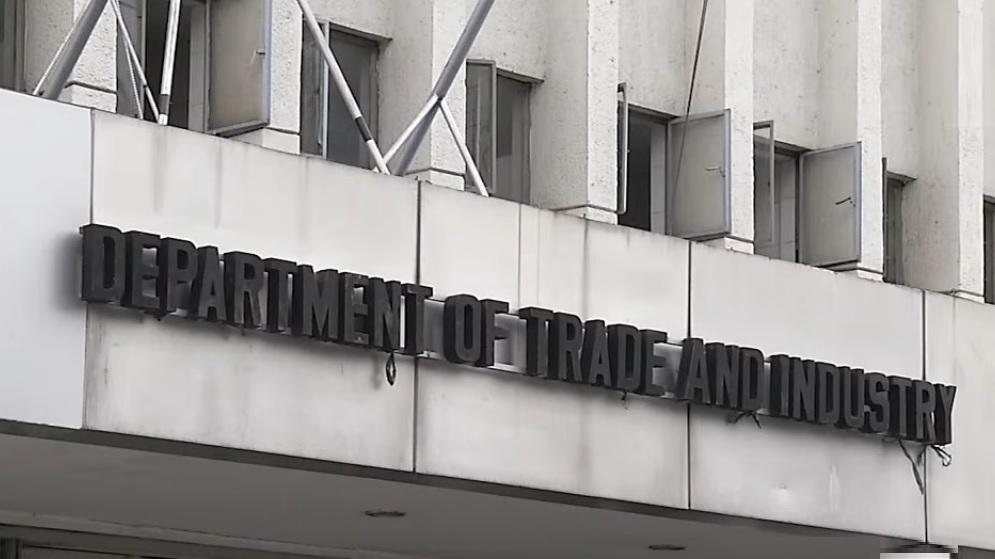
Marcos Lifts Metro Manila Economic Zone Ban, Boosting IT-BPM Sector
President Ferdinand Marcos Jr. has lifted the moratorium on establishing new economic zones in Metro Manila, ending a ban imposed by the previous administration over seven years ago. This move is expected to boost the IT-BPM sector and attract further investment.
This article requires PRO
This article is outside the free access window or is a special report. PRO unlocks it and the full archive.
Related articles
- Moody’s Completes Stake Acquisition in PhilRatings, Eyes Philippine Bond Market Growth
Moody's Corporation has finalized its acquisition of a 19.99 percent stake in Philippine Rating Services Corp. (PhilRatings), anticipating that the Philippines' economic expansion and infrastructure needs will support bond issuance.
- GCash Parent Mynt Eyes Record-Breaking IPO in Philippines
Mynt Inc., the parent company of Philippine fintech giant GCash, is set to launch the country's largest-ever initial public offering (IPO), aiming to raise approximately P60.9 billion. Analysts recommend subscribing, citing strong growth potential in digital financial services and projected revenue and net income increases.
- Lapu-Lapu City Partners with PPP Center for Project Development
The PPP Center of the Philippines has signed a memorandum of agreement with Lapu-Lapu City to enhance its capacity for implementing public-private partnership (PPP) projects. This partnership aims to accelerate infrastructure development and public service delivery through PPPs in the city.
- Mynt Clarifies P10 IPO Price Was For Regulatory Purposes
GCash parent Mynt clarified that the P10 per share price initially reported for its IPO was a regulatory assumption, with the actual offer price set at P6.60. The local listing is seen as a sign of growing Filipino investor interest.