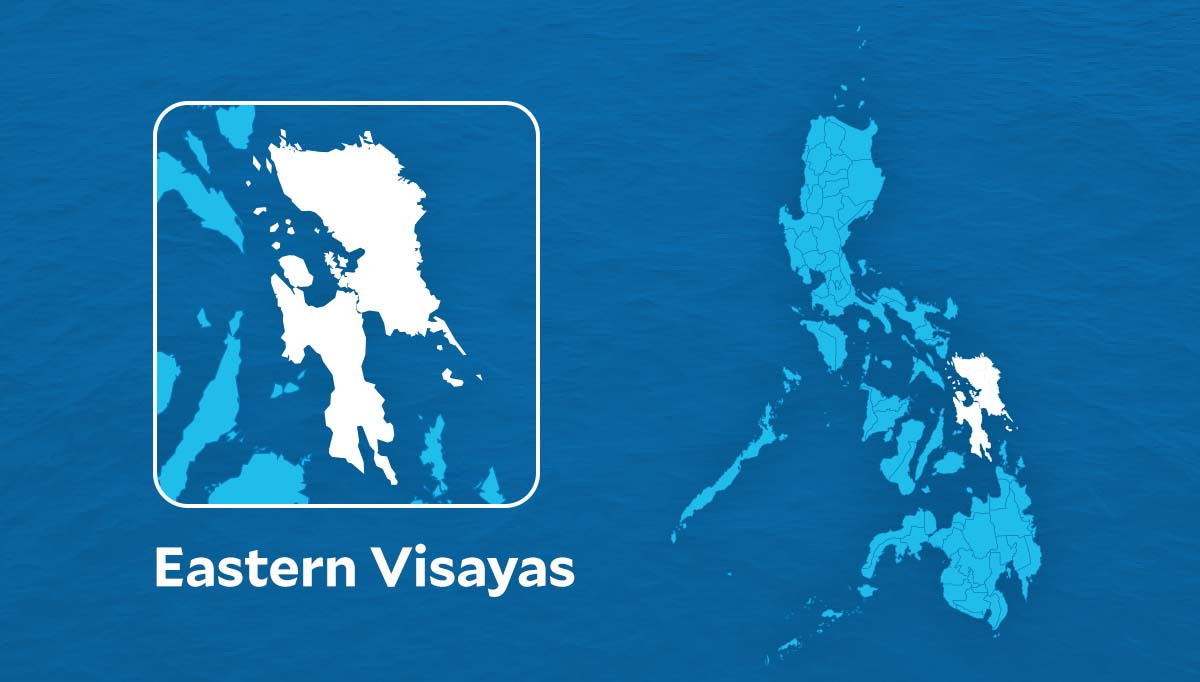
Eastern Visayas Activates Task Force El Niño Amid Drought Concerns
Environment
2026年7月5日
5
Inquirer NewsInfo

Eastern Visayas Activates Task Force El Niño Amid Drought Concerns

AI サマリー

The Eastern Visayas region in the Philippines has activated a Task Force El Niño to prepare for an anticipated dry spell from late 2026 to early 2027. The initiative aims to mitigate impacts on food production, water supply, and public health.

TACLOBAN CITY — The Office of Civil Defense (OCD) in Eastern Visayas has activated Task Force El Niño as government agencies intensify preparations for a projected dry spell expected to affect the country from August this year until January 2027, an official said. The task force, organized under the Regional Disaster Risk Reduction and Management Council (RDRRMC), is part of the national government’s efforts to mitigate the expected impacts of El Niño on food production, water supply, public health, energy, and the environment. President Ferdinand Marcos Jr. earlier directed government agencies to strengthen drought mitigation measures amid forecasts of a possible prolonged and intense El Niño episode. READ: Not only drought but floods: What to expect from severe El Niño? In response, agencies have begun implementing sector-specific interventions, including the Department of Agriculture’s evaluation and promotion of drought-resistant crop varieties and climate-resilient farming technologies to help safeguard food security. During a media forum, OCD Eastern Visayas Operations Section Chief Sher Rysiah Saises said the activation of the task force reflects the region’s commitment to a proactive and coordinated approach to preparing for the weather phenomenon. “Early planning and coordination are essential to reduce the adverse impacts of El Niño on our communities. Through Task Force El Niño, we can synchronize interventions, share resources, and ensure that government services reach the most vulnerable sectors promptly,” Saises said. READ: In Asia, PH ‘most vulnerable’ to severe El Niño–ANZ study According to the Philippine Atmospheric, Geophysical and Astronomical Services Administration (Pagasa), current sea surface temperature conditions are likely to develop into a strong El Niño event between August and October 2026, with the phenomenon expected to persist until early 2027. The weather phenomenon could bring below-normal rainfall to many parts of the country, increasing the risk of drought, water shortages, crop losses, heat-related illnesses, and reduced hydroelectric power generation. Saises said the RDRRMC has begun coordinating with member agencies and local government units to ensure preparedness measures are in place before the onset of the dry spell. Among the priority interventions identified during the council’s June meeting are water conservation programs, agricultural support, contingency planning, public health preparedness, and intensified information and education campaigns. The task force will also regularly monitor weather conditions and coordinate response measures in areas vulnerable to drought, declining water supply, crop damage, and extreme heat. Local government units, through the Department of the Interior and Local Government (DILG), have likewise been urged to reactivate their local disaster risk reduction and management councils and prepare contingency plans based on the projected impacts of El Niño. In the region, Northern Samar and Eastern Samar are among the provinces that have already drawn up plans to mitigate the impacts of the weather phenomenon. Saises said the RDRRMC is also finalizing a Regional El Niño Action Plan outlining interventions in five priority sectors: water supply, agriculture, electricity, health, and public safety. The plan also includes a comprehensive risk communication strategy to be implemented with the support of the Philippine Information Agency to ensure communities receive timely and accurate information before and during the dry spell. The OCD in Eastern Visayas also urged residents to conserve water, observe health precautions during periods of extreme heat, and monitor official weather advisories issued by Pagasa and disaster management authorities. The activation of Task Force El Niño is part of the government’s continuing efforts to strengthen disaster preparedness and reduce the potential impacts of what could be one of the strongest El Niño events in recent years. /mcm

多角的分析

経済的影響

エルニーニョ現象は、フィリピン経済の根幹をなす農業に壊滅的な打撃を与える可能性がある。特に、米やトウモロコシなどの主要作物の収穫量減少は、食料価格の高騰を招き、インフレを加速させる。これは、家計の購買力を低下させ、国内消費を冷え込ませる要因となる。また、水力発電量の低下は、電力供給の不安定化を招き、産業活動の停滞や企業コストの増加につながる。海外からの投資家にとっても、これらのリスクは事業継続性や収益性への懸念材料となりうる。

投資家心理

エルニーニョ現象による農業への影響は、食料品関連企業や農業関連企業への投資リスクを高める。干ばつによる作物の不作は、これらの企業のサプライチェーンを混乱させ、収益を圧迫する可能性がある。一方で、水資源管理や耐乾性作物の開発といった分野への投資機会も生まれる可能性がある。投資家は、エルニーニョの影響を最小限に抑えるための政府の対策や、企業のレジリエンス(回復力)を評価基準に加える必要がある。

社会的影響

エルニーニョ現象がもたらす干ばつは、特に地方の農村部や貧困層に深刻な影響を与える。水不足は衛生問題を引き起こし、熱中症などの健康被害を増加させる。農作物の収穫減は、農家の収入を激減させ、食料不足と貧困の悪化につながる。タクロバン市を含む東ビサヤ地域では、これらの影響がより顕著になる可能性があり、政府による迅速かつ効果的な支援が求められる。現地の住民は、水資源の節約や熱中症対策といった個人の備えも重要となる。

市民の声

エルニーニョ現象による干ばつは、私たちの日常生活に直接的な影響を与えます。特に、食料価格の上昇は家計を圧迫し、日々の生活をさらに厳しくします。水不足は、洗濯や調理、衛生状態の維持を困難にし、不便を強いられます。また、猛暑による健康被害も心配です。政府が対策を講じているのは心強いですが、私たち一人ひとりも、節水を心がけ、健康管理に注意するなど、できる限りの備えをすることが大切だと感じています。

背景・歴史的文脈

エルニーニョ現象は、太平洋赤道域の海面水温が平年より高くなる現象で、世界各地の気象パターンに影響を与える。フィリピンでは、エルニーニョはしばしば干ばつや水不足を引き起こし、農業生産に深刻な打撃を与えてきた。特に、1997-98年のエルニーニョは、フィリピンに甚大な被害をもたらし、その後の防災・減災対策の重要性が再認識される契機となった。今回のエルニーニョは、2026年後半から2027年初頭にかけて発生し、過去数十年で最も強力なものの一つになる可能性が指摘されており、政府は早期からの準備と対策強化を急いでいる。

原文ソース

Inquirer NewsInfo

原文を読む