General articles are free for 24 hours after publish.
Myanmar's Yaba Tablets: Crossing Thailand's Northern Border Amidst Interceptions and Evolving Networks
The flow of Myanmar-produced yaba (methamphetamine tablets) into Thailand is characterized by production in Shan State and transit/interception zones in northern Thailand, particularly Chiang Rai. No fixed routes exist, and seizures represent only a fraction of the trade. Regional conflict and weak governance fuel illicit manufacturing and trafficking.
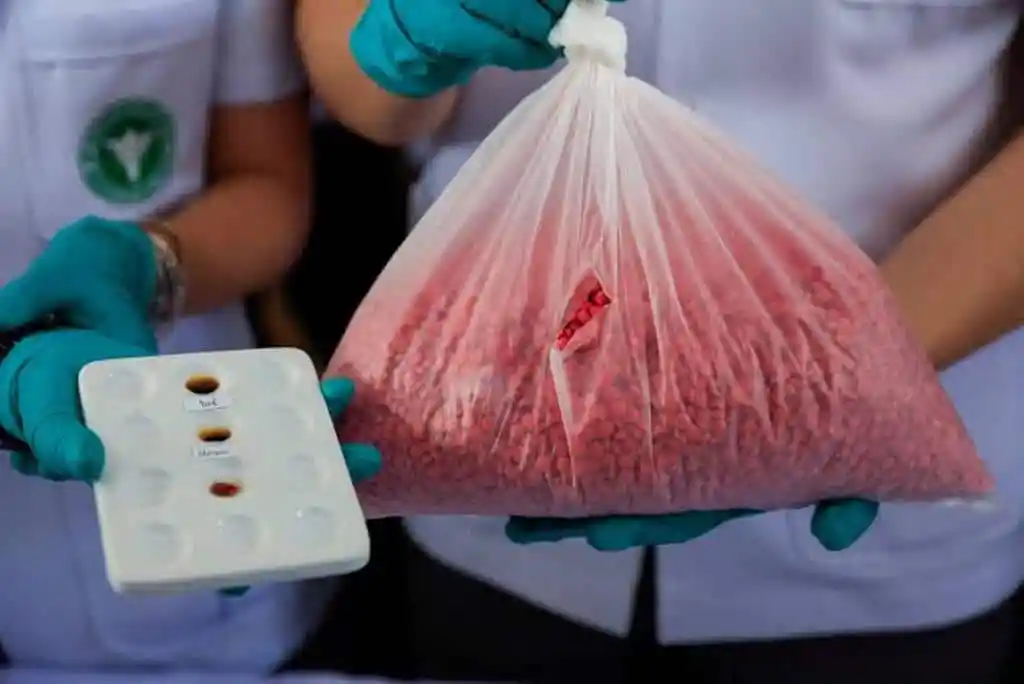
The flow of yaba tablets, a form of methamphetamine produced in Myanmar, into Thailand is largely tied to production in Myanmar’s Shan State, with northern Thai border areas, particularly Chiang Rai province, serving as key transit and interception zones. Reports of meth production camps situated near the Thai border underscore the proximity of some manufacturing sites to Thailand. There is no single, fixed route for this illicit trade, and drug seizures by authorities represent only the shipments that are intercepted. The United Nations Office on Drugs and Crime (UNODC) identifies Shan State as the primary source of methamphetamine in the region. UNODC reports indicate an increase in production and trafficking from Shan State since 2021, with illicit manufacturing concentrated in areas where armed groups and criminal networks operate. The complex interplay of conflict and weak governance in these areas makes drug production and trafficking harder to control. The supply chain generally involves production in Myanmar, movement toward border regions, transport within Thailand, and distribution to domestic markets. Handoffs can involve separate groups; those arranging supply may not handle transport, and couriers may have limited knowledge of the broader trade’s controllers. After crossing into Thailand, shipments may pass through transit areas before moving onward. Chiang Rai is frequently described as a border and transit zone rather than the final destination for all loads. Geography plays a significant role in why northern Thailand, specifically the Golden Triangle region where Myanmar, Thailand, and Laos converge, is often highlighted in yaba trafficking reports. Chiang Rai province lies along Thailand’s northern edge, with its border shaped by the Mekong and Ruak rivers. This terrain, encompassing forested hills, riverbanks, and remote settlements, makes consistent oversight difficult, despite ongoing patrols and investigations by Thai authorities. Thai seizure reports offer examples of intercepted loads, but do not represent a complete record of the trade. A rise or fall in seizures can reflect changes in trafficking volume, enforcement efforts, or shifts in routes. The drugs authorities find are only the visible portion of what may be moving. Recent interceptions include a seizure of 4.8 million yaba tablets from a pickup truck in Chiang Saen on October 23, 2025, and an eight-million-tablet seizure in Thoeng district in August 2026. These figures represent intercepted shipments, not the total supply reaching Thai markets. Thai authorities employ border patrols and checkpoints alongside intelligence-led operations and follow-up investigations. Units like the Pha Muang Task Force, a Royal Thai Army unit active in the north, collaborate with police and other agencies to detect and disrupt suspected cross-border shipments. Investigations following drug seizures aim to identify individuals and networks involved beyond the immediate transport. However, trafficking networks are adaptable. Increased enforcement in one area may prompt traffickers to shift timing, routes, or transport arrangements, making the border landscape dynamic. Continued intelligence gathering and adaptive enforcement strategies are crucial to counter these evolving patterns. Information Source: Chiang Rai Times
Original source
Chiang Rai Times