7 Remanded in Dhaka Over Alleged Extremist Network Disguised as Martial Arts Group
Seven individuals have been remanded in Dhaka, Bangladesh, in connection with an alleged extremist network operating under the guise of martial arts training. Police are seeking to uncover the group's activities and objectives.
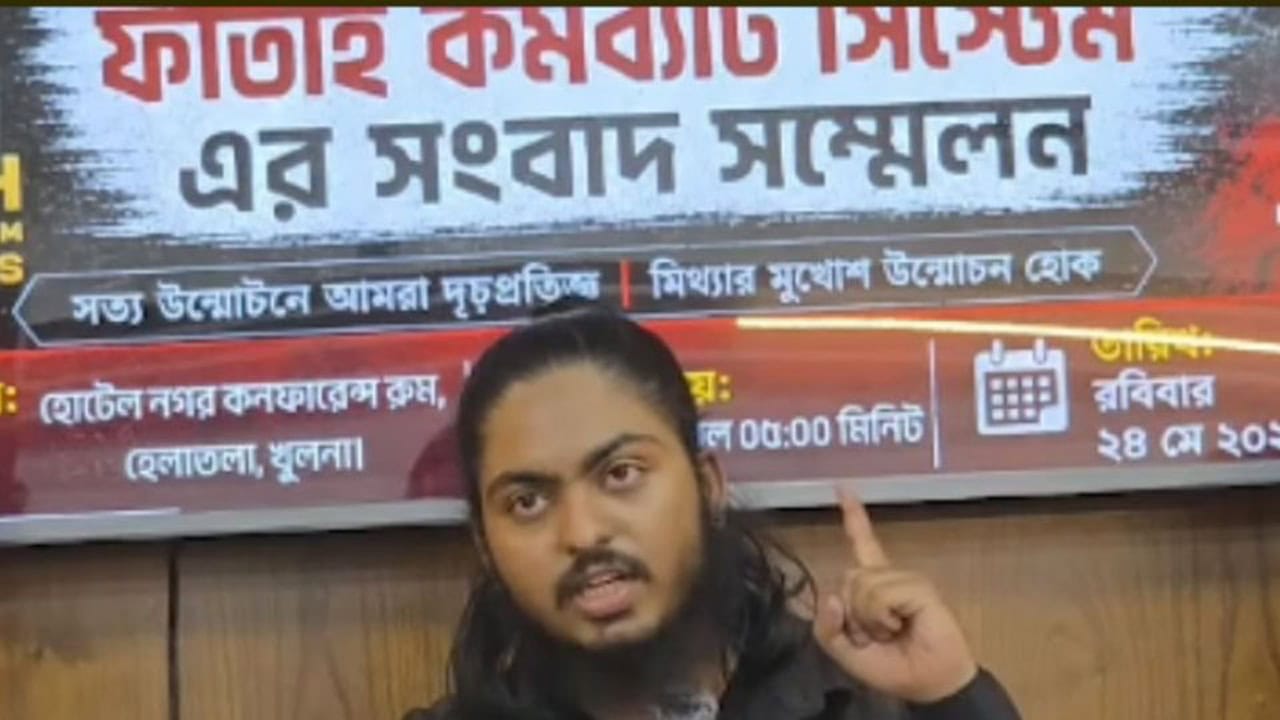
A Dhaka court has placed seven suspects linked to an alleged extremist network operating under the guise of martial arts training on a fresh three-day remand, as police seek to uncover the group’s activities and underlying objectives. Investigators stated they also need to track down absconding and unidentified suspects, identify other members of the network, and determine the purpose and operations of “Fatah Combat System”. Dhaka Metropolitan Magistrate Monirul Islam issued the order after police produced the seven before the court with a seven-day remand prayer for each. The accused are martial arts instructor Shah Amanat Sabir, his associates Hossain Tanim, Md Junaid, Ataullah Shah, Md Abidur Rahman, Md Bayozit, and Tahsin Islam alias Sultan Musanna. In the remand prayer, police said information obtained during earlier rounds of interrogation needed to be verified. They also sought time to identify the organisation’s other members and gather information about the whereabouts of the absconding accused. Investigators told the court that preliminary evidence suggested the arrestees were involved in the activities of an extremist organisation, but several important questions remained unanswered. For Sabir and Tanim, this marks their third spell of police remand since their arrest. Junaid, Ataullah, Abidur, and Bayozit had previously been remanded once, while Tahsin was arrested later in Jashore. Inspector AB Siddiq of Jatrabari Police Station filed the case on July 11 against 16 named people and several unidentified others. The case was filed six days after Sabir, Tanim, Junaid, Ataullah, Abidur, and Bayozit were detained from a field beside the “Mini Cox’s Bazar” area in Jatrabari on July 5. They were initially shown arrested under Section 54 of the Code of Criminal Procedure after police alleged that they had gathered there for training linked to extremist activities. Six mobile phones were seized from them. According to the latest remand prayer, the six disclosed during questioning that an organisation called “Sabir Bhaiyer Jamaat” existed and identified Sabir as its leader. Police alleged that the accused held different positions in the group and sought to endanger Bangladesh’s sovereignty, obstruct development activities, and establish what they described as “Shariah ideology” through militancy. Sabir allegedly operated the Facebook page “Fatah Combat System” to run the group’s activities and recruit followers under the guise of martial arts training, the remand prayer said. Members allegedly communicated through Facebook, Messenger, WhatsApp, and Telegram, using aliases, group chats, private messages, and channels. Police claimed they used the platforms to recruit and train members and spread extremist views. Police said Tahsin provided information about “Sabir Bhaiyer Jamaat” during preliminary questioning. The case statement also refers to a video allegedly showing Sabir detonating a crude explosive. Police claimed he admitted being the person in the footage and said the video had been recorded to create panic. Investigators further alleged that, after the six were detained, associates of the group posted threatening and provocative messages on Facebook demanding their release.
多角的分析
This news primarily concerns security and law enforcement rather than direct economic impact. However, the alleged obstruction of development activities by the extremist group, if successful, could have detrimental effects on economic progress and investor confidence in Bangladesh. The establishment of a "Shariah ideology" through militancy often implies a rejection of secular economic models, potentially leading to instability.
From an investor's perspective, the emergence of extremist networks, even those disguised as legitimate organizations, signals heightened security risks. This can deter foreign direct investment and negatively impact the local business environment due to increased uncertainty and potential for disruption. The focus on establishing a specific ideology through militancy suggests a disregard for established economic and legal frameworks that investors rely upon.
The alleged use of martial arts training as a front for extremist recruitment is a concerning social tactic. It exploits a legitimate activity to indoctrinate individuals, particularly potentially impressionable youth, into radical ideologies. The communication methods employed, including social media and encrypted messaging apps, highlight the modern challenges in combating online radicalization. The group's alleged aim to endanger sovereignty and obstruct development directly impacts the safety and progress of ordinary citizens.
The news directly affects the citizens of Bangladesh by highlighting the presence of a group allegedly aiming to disrupt national stability and development. The use of martial arts training as a cover story could mislead parents and individuals seeking to engage in healthy physical activities. Furthermore, the group's alleged goal of establishing a specific ideology through militancy raises concerns about freedom of expression and societal norms. The actions of such groups can create an atmosphere of fear and insecurity, impacting daily life and the pursuit of peaceful development.
背景・歴史的文脈
The incident occurs against a backdrop of ongoing efforts by Bangladesh to combat terrorism and extremism. The country has faced security challenges from various militant groups in the past. The alleged use of social media and disguised organizations for recruitment and operation is a persistent concern for law enforcement agencies globally, reflecting a shift in extremist tactics towards more sophisticated and covert methods.
原文ソース
Phnom Penh Post