General articles are free for 24 hours after publish.
Thailand Navigates Shifting Alliances: Deepening Ties with China Amidst Cambodia Tensions
Thailand is deepening its strategic partnership with China, signing agreements on economic and technological cooperation. Meanwhile, border and maritime disputes with Cambodia persist. The Kingdom is also focusing on tourism recovery and domestic economic policies.
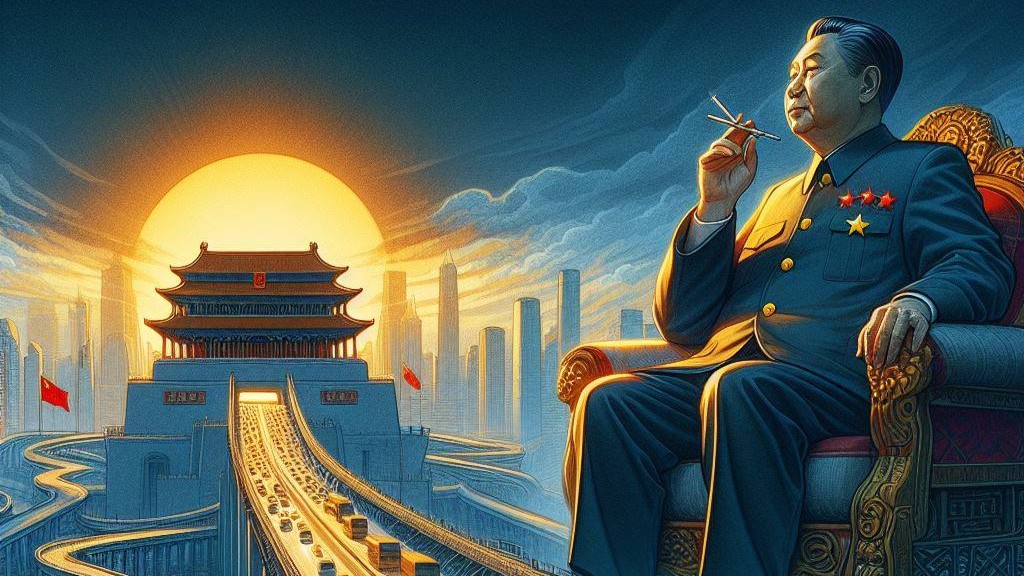
Thailand’s news cycle currently spans a wide array of developments, from deepening ties with China to ongoing tensions with Cambodia, alongside significant strides in tourism, technology, and infrastructure. Below is a comprehensive summary of the most pressing stories shaping the Kingdom. A dominant theme this week is the deepening strategic partnership between Thailand and China. President Xi Jinping met with Prime Minister Anutin Charnvirakul, resulting in a joint statement on building a “shared community” between the two nations. The countries have agreed to launch a 2+2 foreign and defense ministers’ dialogue, signaling closer security cooperation, while also signing five agreements to build future industries together. Technology cooperation is a key pillar of this relationship, with both sides eyeing deeper tech collaboration to drive a “prosperous shared future.” Thailand has also secured $2.15 billion in investment from four leading Chinese tech firms, alongside progress on AI and space cooperation. Additionally, Thailand is targeting 2030 for the completion of the first phase of a high-speed rail link to China, reflecting long-term infrastructure ambitions. Both nations have pledged to stamp out illicit “grey capital” while supporting quality investment flows. China remains central to Thailand’s tourism recovery strategy. Thailand is actively working to win back Chinese tourists through new partnerships and easier entry policies, part of a broader regional trend where China is easing travel barriers for Southeast Asian neighbors, according to Skift’s coverage of Thailand’s tourism strategy. In contrast to warming China relations, Thailand-Cambodia relations remain strained. The shared border stays closed amid ongoing political and military tensions. Cambodia has publicly criticized Thailand’s stance on maritime boundary talks, calling out Bangkok for a “doors closed” remark related to UNCLOS negotiations, while the two countries continue to diverge sharply over Gulf of Thailand energy resources and maritime claims. Adding to friction, Thailand has raised alarms with China over tank sales to the Cambodian army, questioning the implications for regional security. Japan has stepped in diplomatically, urging renewed talks between the two neighbors while pledging continued humanitarian assistance. Despite regional tensions, Thailand’s tourism sector is showing strong momentum. The country welcomed 17.36 million international visitors in 2026, generating approximately THB 838.73 billion in travel revenue. Bangkok, Phuket, and Chiang Mai continue to be primary draws for global travelers. Thailand is also positioning itself within a broader ASEAN tourism boom, alongside Vietnam, Japan, and South Korea, with new safety initiatives like “Trusted Thailand” and a Tourist Police SOS app exceeding 100,000 downloads. However, the sector faces disruption risks, as hundreds of flights across Asia—including in Thailand—were recently cancelled or delayed, affecting carriers such as Cathay Pacific and Emirates. Thailand’s economic policy landscape is shifting on multiple fronts. The government is exploring a Japanese-style savings plan to bolster domestic capital markets, while stocks in Thailand hit a 6.5-year high. The Board of Investment (BOI) is also pushing firms toward local IPOs to deepen the domestic market. Trade tensions are emerging with the United States, as Thailand remains on alert following Section 301 probes tied to the broader US trade war. Meanwhile, local farmers have expressed concern over Thailand’s US maize purchase, fearing competitive pressure on domestic agriculture. On the defense front, Thailand plans to acquire eight additional Swedish Gripen fighter jets to complete a new squadron. Thailand is investing in future-oriented technology, including its first trapped-ion quantum computer and a specialized talent development drive. The country has also made environmental progress, cutting nearly 4 million tonnes of CO2 emissions through low-carbon cement production—a significant industrial sustainability achievement highlighted in Thai PBS World’s report on Thailand’s medical cannabis sector. Thailand faces mounting international pressure over the potential deportation of Chinese journalist Bai Zhaodong. Human Rights Watch, the Committee to Protect Journalists, and other global press freedom organizations have urged Thai authorities not to forcibly return the detained journalist to China, citing serious risks of persecution. Separately, Thailand’s cannabis policy continues to generate controversy. What began as a medical cannabis initiative has reportedly evolved into a smuggling concern, raising questions about regulatory oversight. Foreign travelers face steep risks as well—a single cannabis-related mistake at a Thai airport could result in a 10-year prison sentence and a $15,000 fine. In a separate legal development, Thailand sentenced its first conscientious objector to prison, marking a notable moment for civil liberties discourse. Thailand continues to yield remarkable archaeological finds. Workers excavating beneath a 1,300-year-old reclining Buddha statue uncovered ancient gold and silver artifacts, while separate digs at the Don Yai Thong site in Phetchaburi revealed additional ancient gold ornaments. Scientists have also identified a new dinosaur species from a single bone discovered in Thailand, underscoring the country’s rich paleontological heritage. Thailand’s news landscape reflects a nation balancing complex diplomatic relationships, ambitious economic reforms, and social and legal challenges. While ties with China strengthen through trade, technology, and infrastructure deals, tensions with Cambodia persist over border and maritime disputes. Meanwhile, tourism recovery, sustainability initiatives, and human rights concerns continue to shape the Kingdom’s evolving global position. Source : Google News – Search
Original source
Thailand Business News